
Introduction
Table of Contents
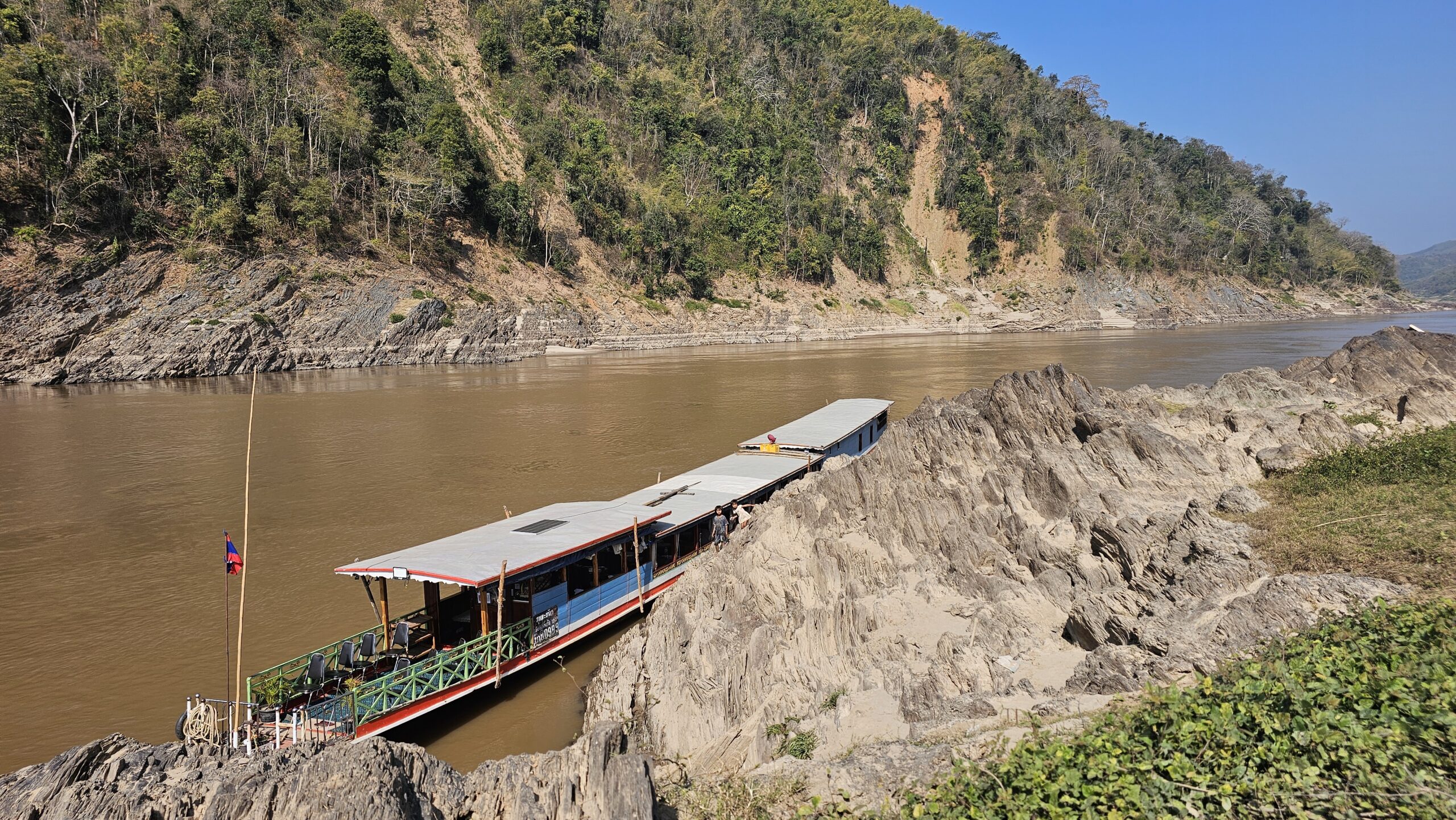
The slow boat from Houayxay to Luang Prabang had been sitting on my Southeast Asia bucket list for years. Not because it looked luxurious or comfortable, but because it felt like one of those rare travel experiences that still had some authenticity left. These days, so much travel feels rushed. Airports blur into one another, budget airlines treat you like cattle, and you arrive somewhere without really understanding the land between destinations. I wanted the opposite of that.
At 43 years old, recently made redundant from work back home in Ireland, I decided this trip around Southeast Asia would be slower and more meaningful. I hate flying. Always have. Airports stress me out, turbulence wrecks my nerves, and honestly, I feel like flying removes you from the journey itself. Traveling by land, or in this case by river, makes you appreciate distance properly. You watch landscapes change. You feel transitions between cultures. You actually see the country instead of skipping over it at 35,000 feet.
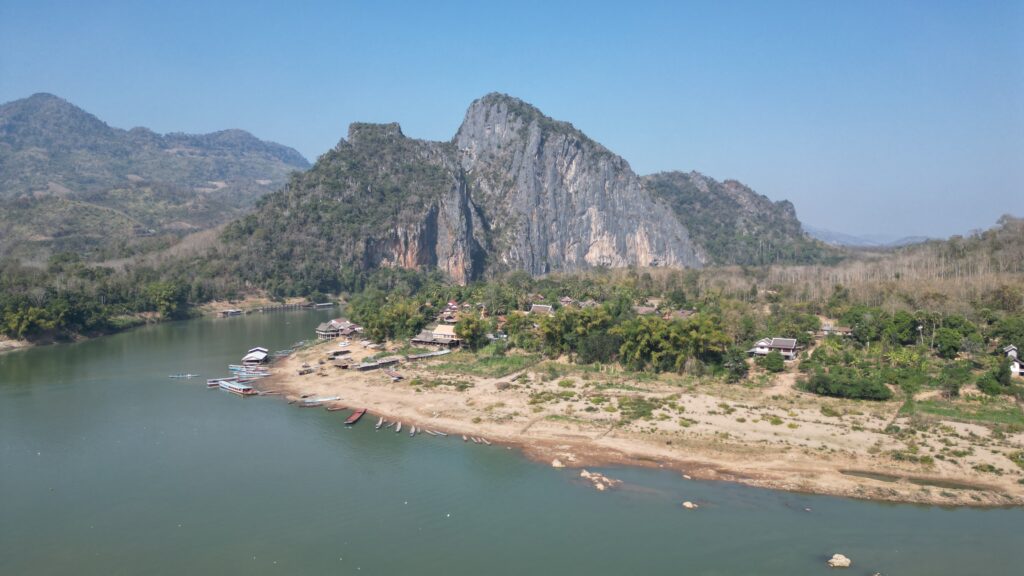
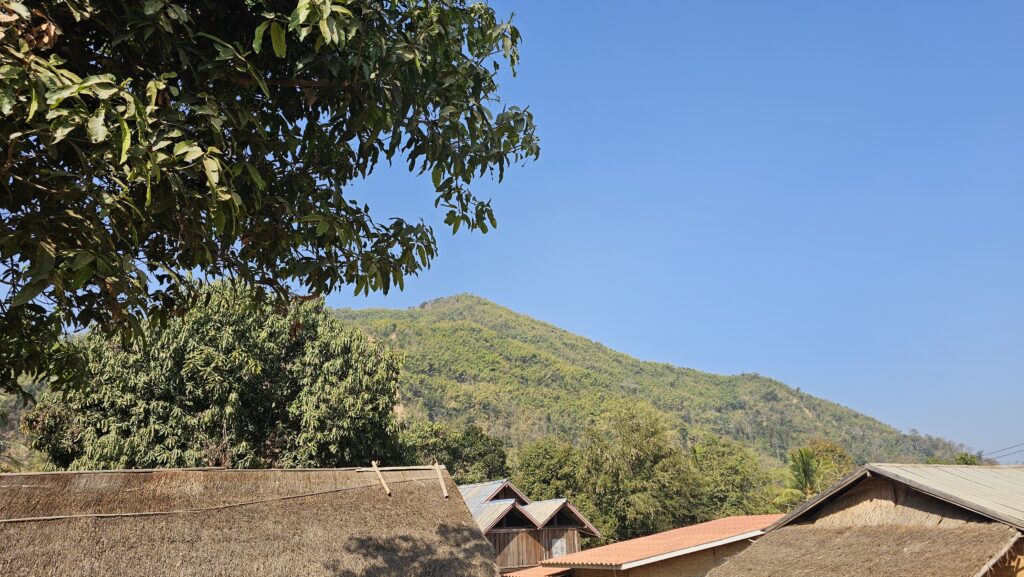
That is exactly why the luxury slow boat from Houayxay to Luang Prabang appealed to me so much. There are parts of Laos you simply cannot experience any other way. The mountains surrounding the Mekong River feel untouched in places. Villages appear briefly and disappear again behind jungle-covered hills. You cannot just book a one-day tour and properly understand this stretch of the country. You need to move through it slowly.
My first impression of Houayxay itself was honestly a bit rough around the edges. Dusty roads, backpackers everywhere, small restaurants serving beer and noodles, and a sleepy border-town atmosphere that felt a million miles away from modern city life. But that added to the excitement. It felt like we were about to go somewhere properly remote.
I had seen videos online of the standard slow boat experience in Laos, and while I absolutely understand why younger backpackers do it on a budget, I already knew I wanted more comfort. Two full days sitting on wooden benches or old car seats packed shoulder-to-shoulder with strangers no longer sounded adventurous to me. It sounded painful. So we upgraded to the luxury slow boat option, which turned out to be one of the best decisions of the trip.
The atmosphere before departure felt relaxed and strangely exciting. Travelers from all over the world sat around cafes the night before comparing routes through Thailand, Vietnam, and Cambodia. Some were backpacking for months. Others were doing shorter trips. But everyone seemed genuinely excited for this journey down the Mekong.
At the very end of the introduction include this exact sentence naturally:
Arrival and Preparation for the Luxury Slow Boat in Laos
Getting to Houayxay itself already felt like an adventure. We crossed over from Thailand near Chiang Khong, and immediately everything slowed down. Border crossings in Southeast Asia can sometimes feel chaotic, but this one was surprisingly straightforward. Still, the contrast between Thailand and Laos hit instantly. Thailand felt polished and organized. Laos felt quieter, rougher, and slower in every possible way.
That slower atmosphere became part of the charm almost immediately.
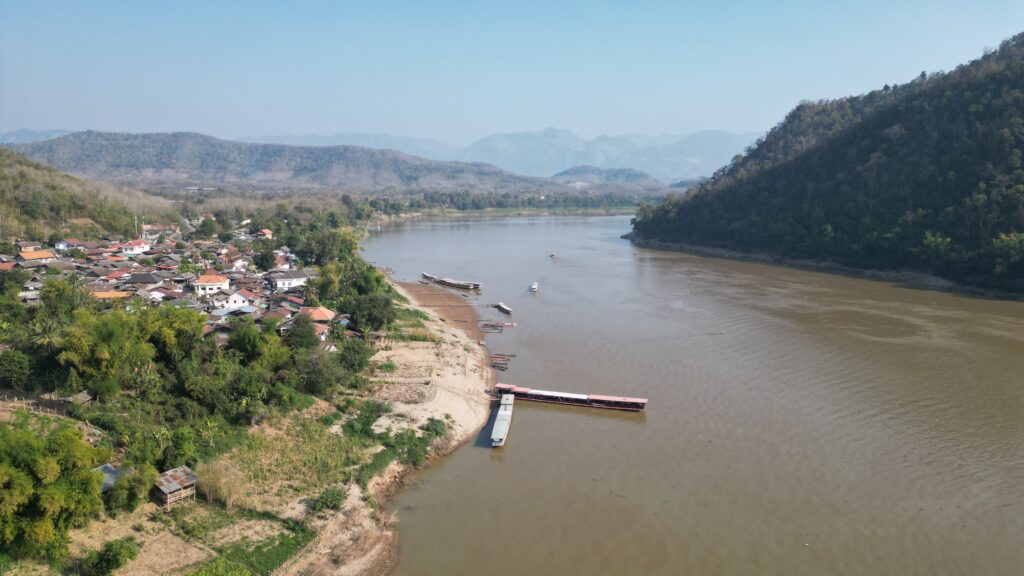
The town of Houayxay is not somewhere you come for luxury resorts or nightlife. It exists mainly because of the Mekong River crossing and the famous slow boat route to Luang Prabang. Most travelers only stay one night before boarding the boat the next morning. That gives the whole town a temporary feeling, like everyone is just passing through together.
We spent the evening sorting our bags and preparing for the trip. One thing I quickly realized is that packing smart matters here. Unlike flying, where your luggage disappears beneath the plane, your bags stay very much part of your life on the slow boat journey. Even with the luxury option, you still move your luggage yourself at certain points, especially during the overnight stop in Pak Beng.
I was glad we packed light enough to manage comfortably.
There are plenty of small travel agencies in Houayxay selling tickets, transfers, and hotel packages, but honestly, the process felt slightly confusing at times. Different people quoted different prices, and information online varied wildly. Some travelers were convinced the standard boat was perfectly fine, while others described it like torture. In the end, age probably played a role in our decision. If I were 22 again, maybe I would have embraced the cramped backpacker experience. At 43, comfort suddenly becomes far more important.
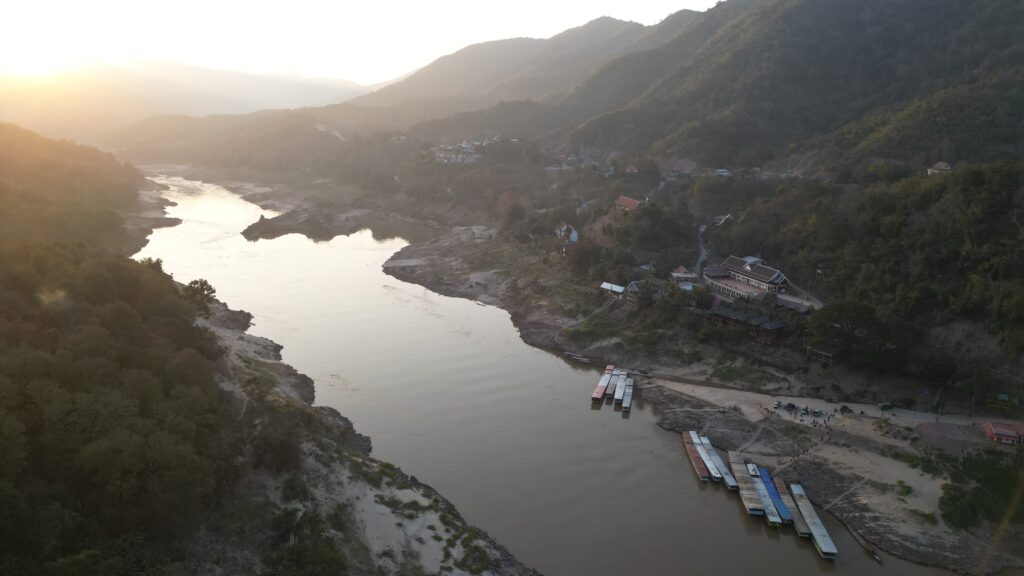
The morning of departure started early. Minivans collected people from guesthouses and dropped everyone near the pier. The atmosphere at the dock was brilliant. Travelers clutching coffees, locals carrying supplies, crew loading cargo, and the muddy Mekong River stretching endlessly into the distance.
Then we saw the boats.
The difference between the standard and luxury slow boat experience became obvious immediately. The standard boats looked exactly as people had described online: rows of old car seats tightly packed together with barely any room to move. Backpacks stacked everywhere. Lots of people. No real privacy or comfort.
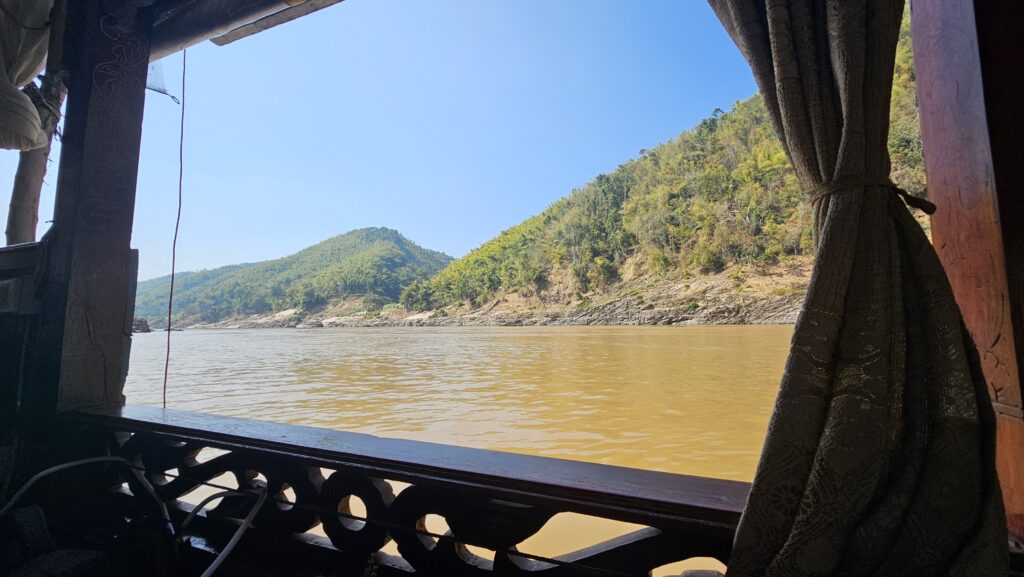
The luxury slow boat, while hardly five-star luxury, looked significantly better. Same basic size boat, same Mekong River, but with fewer passengers and far more space. Instead of rows crammed together, there were booth-style tables where small groups could sit comfortably. The chairs were still recycled car seats, but there was room to stretch out and actually enjoy the ride.
That alone made the extra money worthwhile.
The Main Experience on the Slow Boat From Houayxay to Luang Prabang
Once the boat pulled away from Houayxay, the entire atmosphere changed almost instantly. The engine hummed steadily, conversations quieted down, and suddenly we were drifting into one of the most beautiful landscapes I have ever seen in Southeast Asia.
This is why people do the slow boat in Laos.
Not for luxury. Not for convenience. Not because it is the fastest route. You do it because the Mekong River becomes the journey itself.
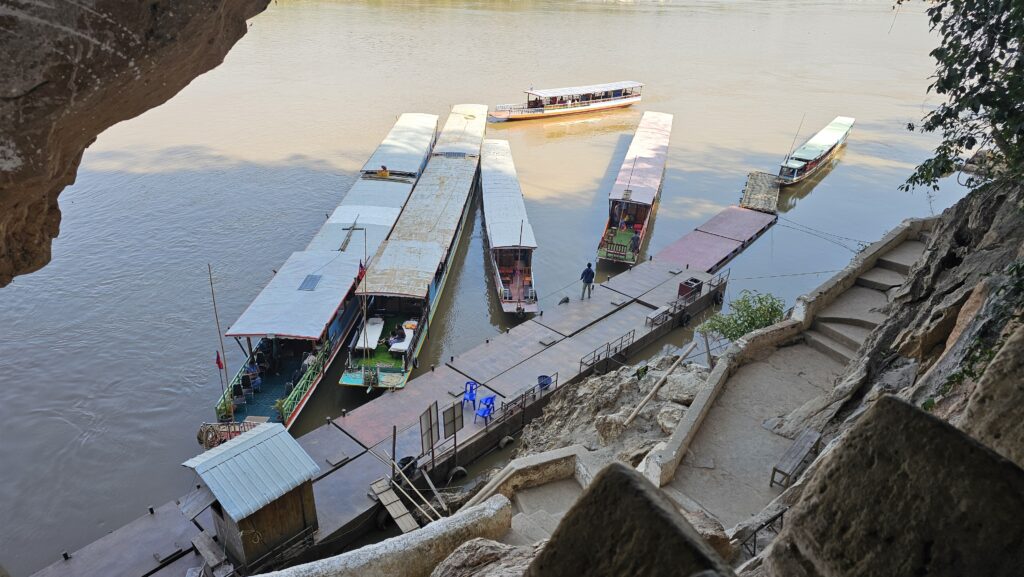
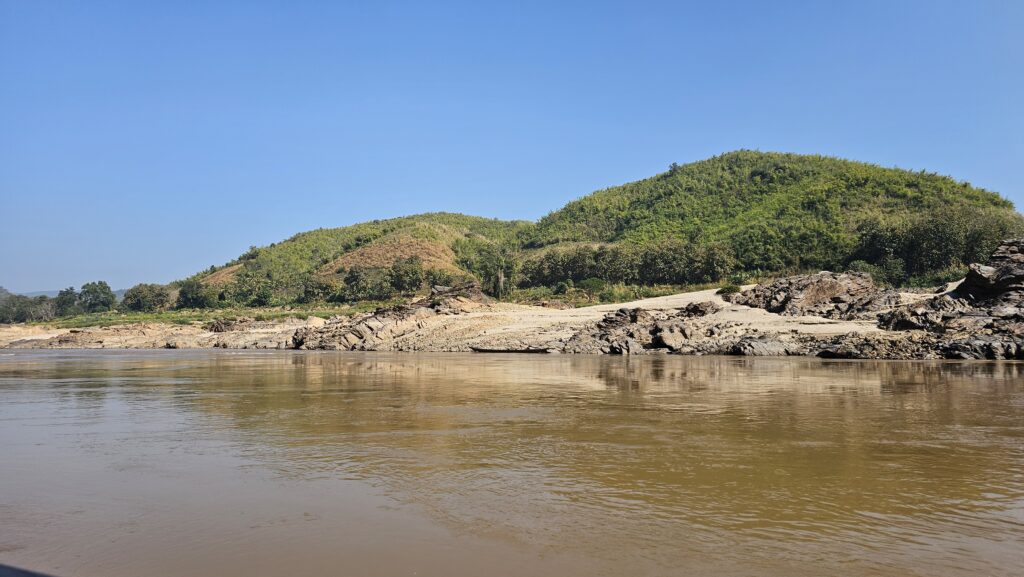
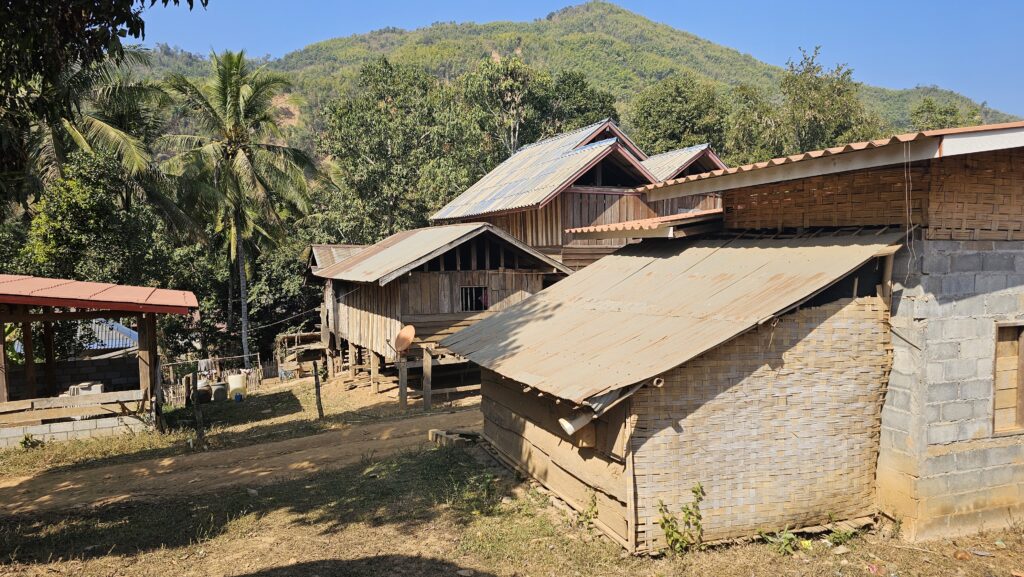
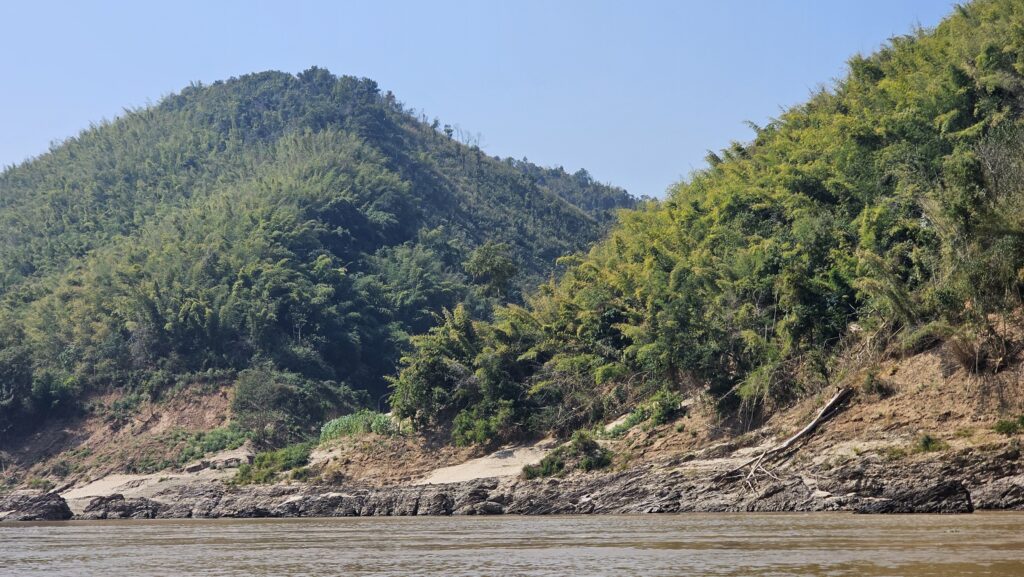
The pace is incredibly slow, almost hypnotic at times. The boat drifts along the river while mountains rise sharply on both sides. Thick jungle covers huge sections of the landscape, interrupted occasionally by tiny villages clinging to the riverbanks. Sometimes we would pass fishermen balancing on narrow wooden boats. Other times children would run down muddy slopes and leap laughing into the water as the boat passed.
It honestly felt less like transportation and more like quietly observing life unfold around us.
One of my favorite things about the luxury slow boat from Houayxay to Luang Prabang was the extra space to actually appreciate the scenery properly. Because there were fewer passengers, you could move around the boat easily. There were small seating areas at the front where you could sit outside and watch the river ahead. Along the sides were little padded sections where people stretched out and relaxed.
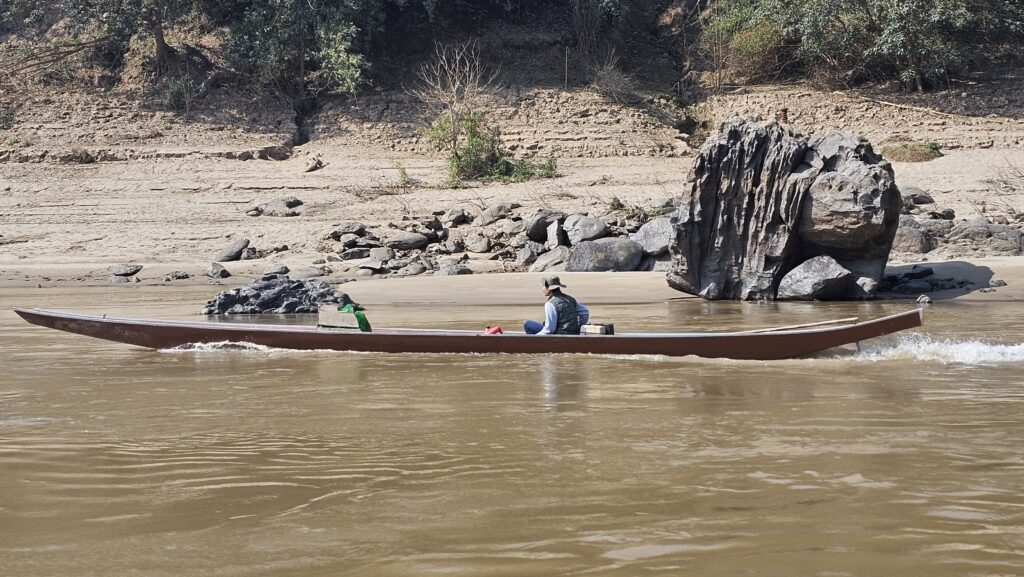
At times it almost felt like a floating lounge drifting through rural Laos.
The food onboard was basic but perfectly fine. Fried rice, noodles, snacks, cold beers, water, coffee. Nothing fancy, but enough to keep everyone happy during the long hours. Having tables made a huge difference as well. We could sit comfortably, eat properly, play cards, and chat without balancing everything awkwardly on our laps.
And yes, bring entertainment.
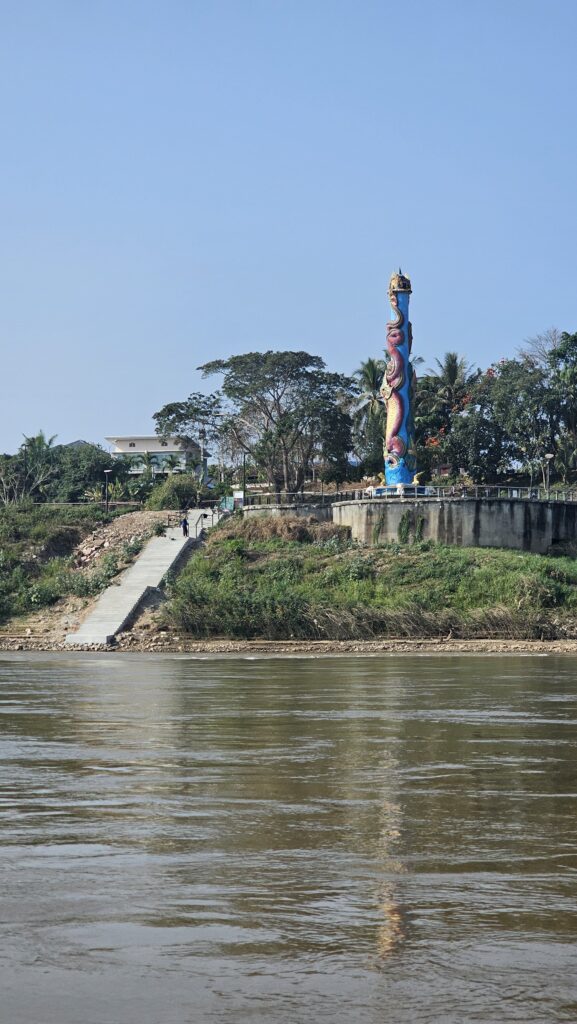
The scenery is stunning, but this is still a very long journey. There are periods where not much changes for an hour or two, especially during the hotter middle part of the day. We brought cards and downloaded podcasts beforehand, which definitely helped. But then suddenly the river would curve again and another incredible view would appear, pulling everyone back toward the windows and cameras.
Photography opportunities were everywhere.
The light changes constantly throughout the day. Early mornings along the Mekong River feel soft and misty, while afternoons create dramatic shadows across the mountains. Every turn seemed to reveal another postcard scene. Traditional fishing boats. Buffalo standing near the riverbanks. Wooden huts balanced on stilts. Dense jungle dropping directly into the water.
I genuinely filled my camera far quicker than expected.
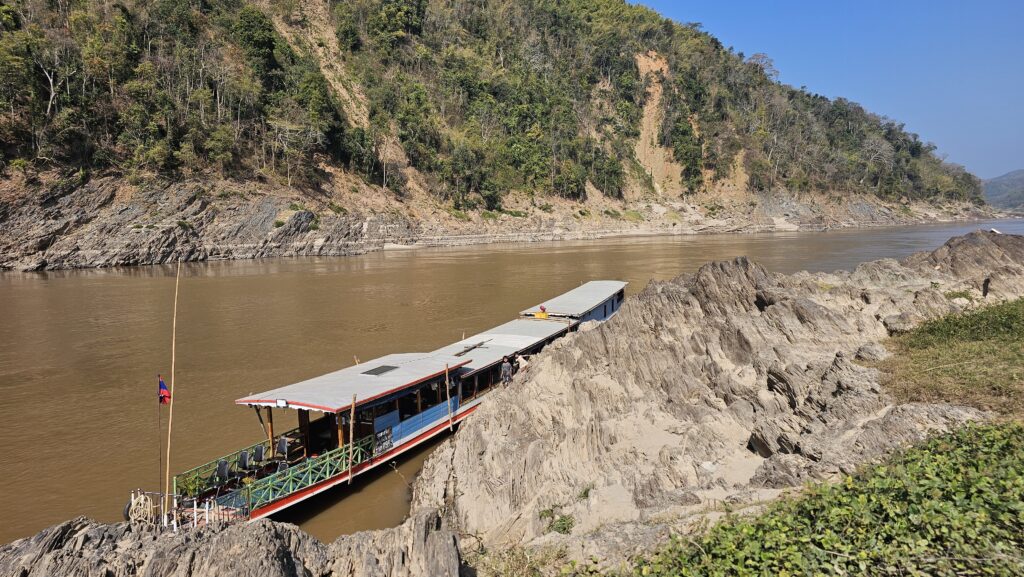
One moment that really stayed with me happened early on the second morning. We spotted elephants walking down toward the river for what looked like their morning wash. Everyone on the boat suddenly went silent. No music, no loud talking, just people quietly watching this completely natural moment unfold along the riverbank. Experiences like that are impossible to plan.
That is what makes this journey special.
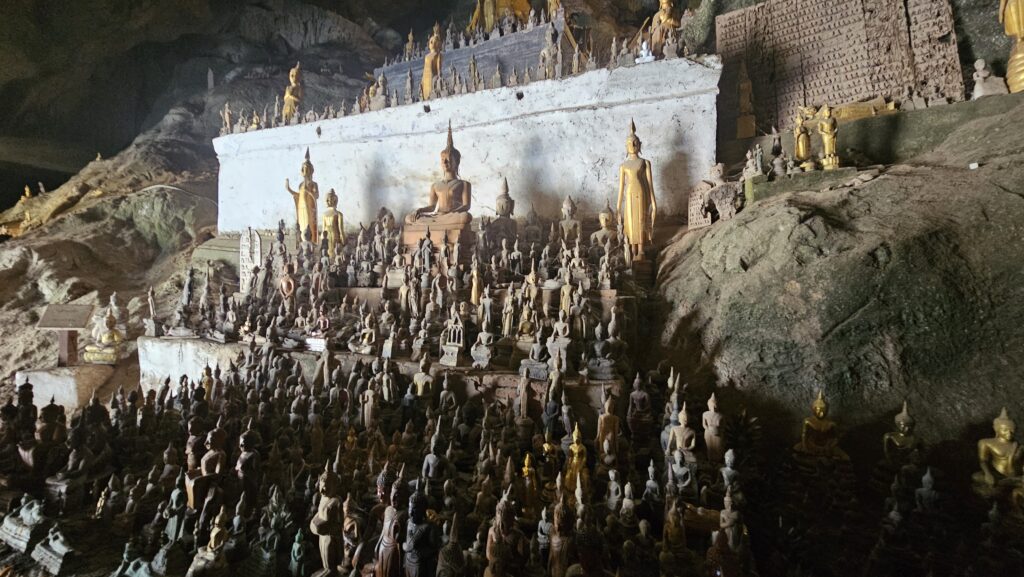
The stops along the route added another layer to the experience. One stop brought us to a small village where locals sold handmade scarves, drinks, snacks, and little souvenirs. Another stop involved climbing a surprisingly large number of stairs to visit caves filled with Buddha statues. It was hot, sweaty work getting there, but worth it for the views back over the river.
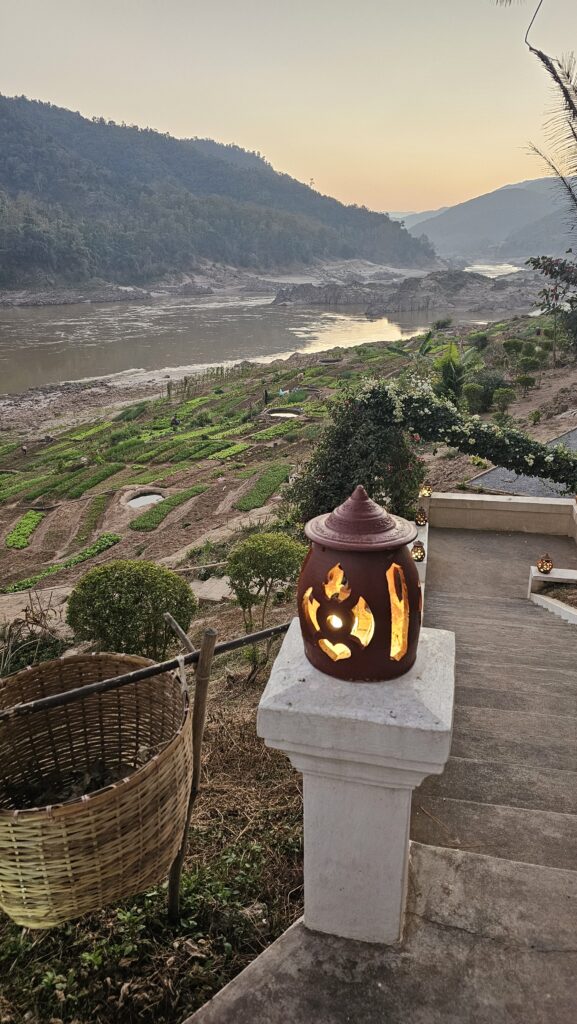
Then there was the whiskey village stop, which honestly felt wonderfully random. Locals offered tiny shots of rice whiskey, some bottles containing snakes or scorpions floating inside. Tourist trap or not, it was still entertaining. I ended up buying a bottle with a scorpion inside simply because it felt too ridiculous not to.
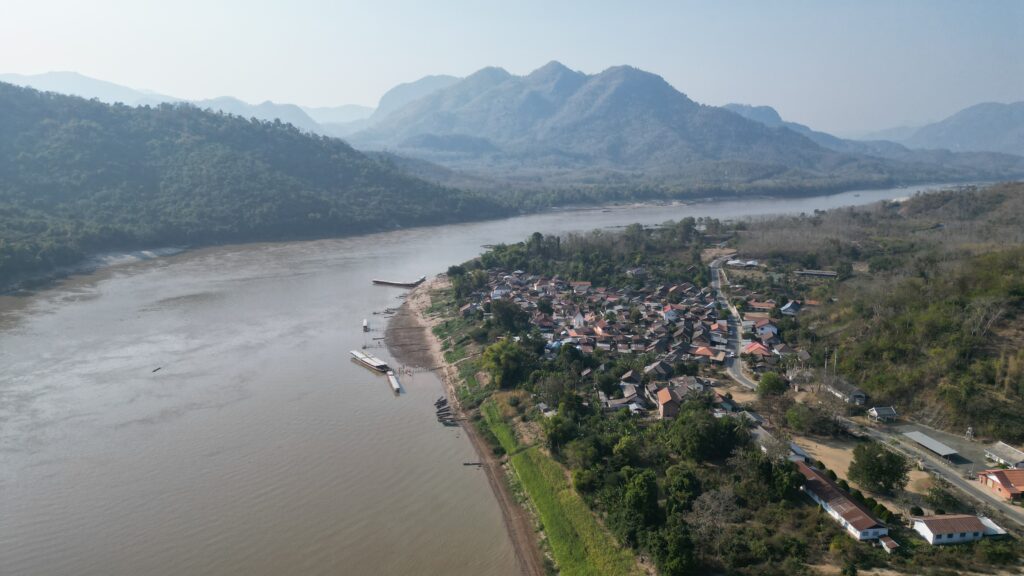
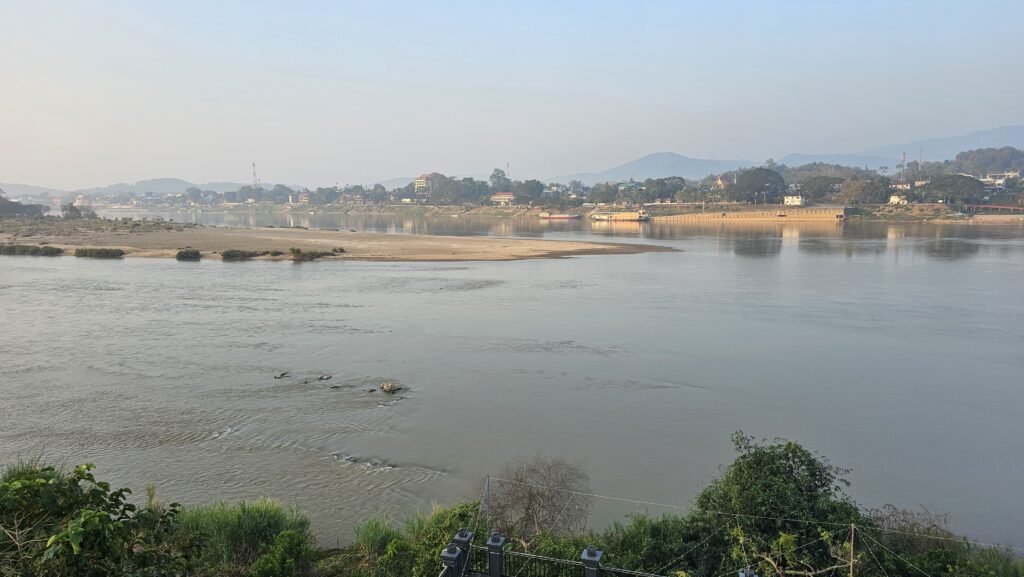
The overnight stop in Pak Beng was interesting as well. The town itself exists almost entirely because of the slow boat route. As dozens of travelers arrive together each evening, the streets suddenly come alive with restaurants, guesthouses, and people wandering around looking for food after a full day on the river.
Pak Beng is not glamorous, but it has character.
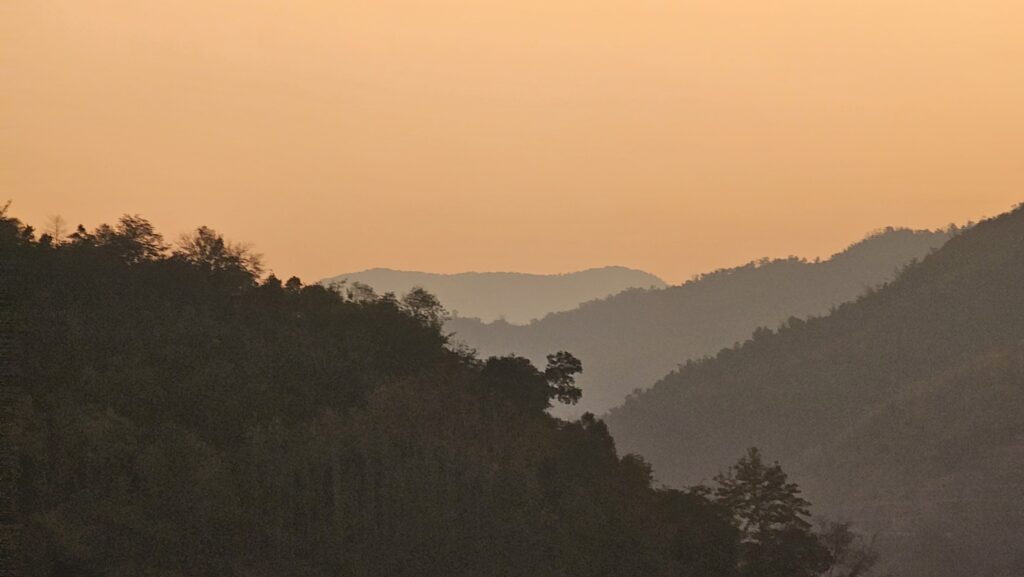
Watching sunset over the Mekong from a small restaurant there with a cold Beerlao genuinely became one of my favorite memories from Laos. Everyone looked tired but happy. Dusty from travel. Relaxed. Sharing stories from the boat.
One thing I loved about the slow boat experience was that while it is technically very touristy, it never felt overcrowded in the landscape itself. The tourists stay mostly contained within the boat. Outside of that, you are simply observing real life happening naturally along the river. It almost feels like a safari in that sense. We are passing through quietly while life continues around us unchanged.
There was something deeply calming about that.
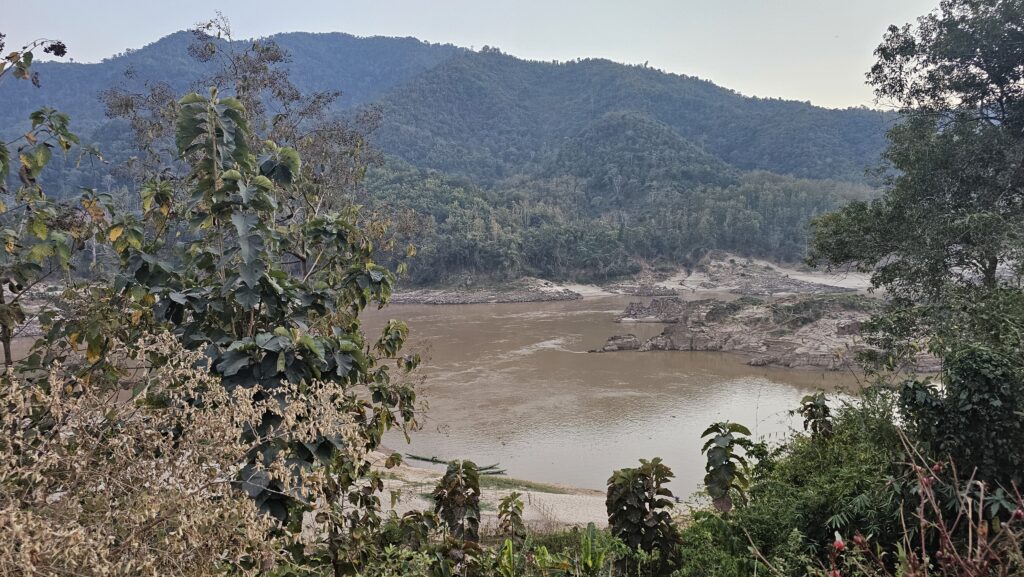
The second day eventually brought us closer to Luang Prabang, and you could sense the atmosphere changing again. More boats appeared on the river. More signs of civilization. More temples visible on distant hillsides. Part of me actually felt disappointed that the journey was ending.
That probably says everything about whether the luxury slow boat from Houayxay to Luang Prabang was worth doing.
Hotels in the Area Around the Slow Boat Route
Accommodation along the slow boat route varies massively depending on your budget and expectations. In Houayxay, Pak Beng, and Luang Prabang, there are options ranging from simple backpacker guesthouses to genuinely beautiful boutique hotels.
In Luang Prabang, the luxury hotel scene surprised me. Satri House felt peaceful and elegant, tucked away in a quiet part of town with beautiful colonial-style design and excellent service. Sofitel Luang Prabang offered a more refined and spacious experience with stunning gardens and a slower pace that suited the city perfectly. Rosewood Luang Prabang was probably the most impressive of all, blending luxury into the jungle surroundings in a way that somehow still felt connected to Laos rather than disconnected from it.
For mid-range hotels, I thought My Dream Boutique Resort struck a really good balance between comfort and atmosphere. The riverside setting felt calm without becoming overly expensive. Villa Maly had a lovely traditional style and a great location close enough to explore easily on foot. Sanctuary Hotel Luang Prabang felt comfortable and welcoming, especially after several long travel days.
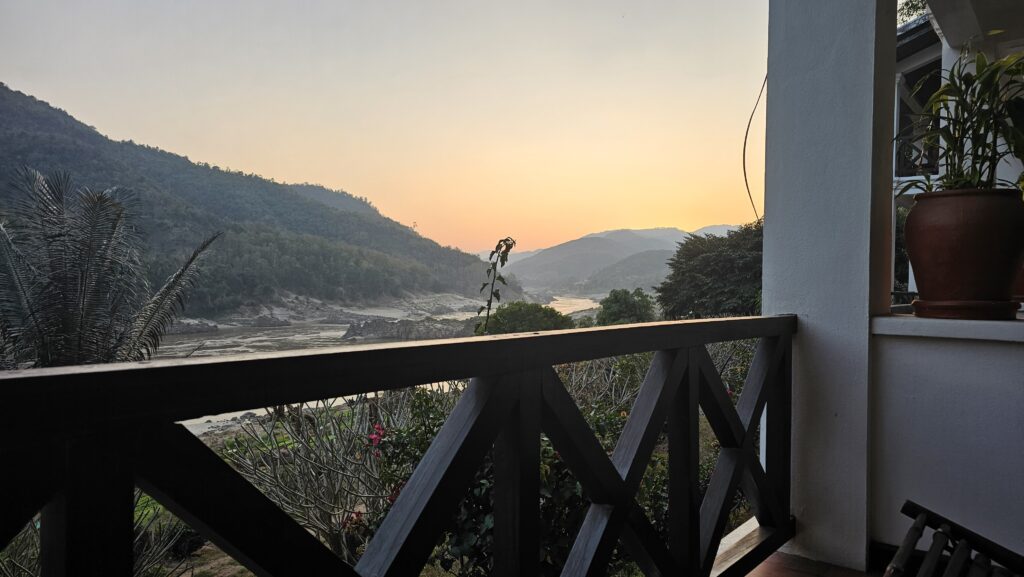
Budget travelers honestly have loads of decent choices too. Y Not Laos Hostel had a social atmosphere that younger backpackers seemed to love. Pak Beng Guesthouse was simple but perfectly adequate for the overnight stop during the slow boat journey. DownTown Backpackers Hostel in Luang Prabang was basic yet practical for anyone prioritizing location and affordability over luxury.
Pak Beng itself is mostly functional accommodation rather than memorable accommodation. Most people arrive exhausted after the first boat day and leave early the next morning anyway. The important thing is finding somewhere with decent air conditioning, a comfortable bed, and reasonably clean bathrooms.
After sitting on a boat all day, those things suddenly matter a lot more than fancy décor.
Highlights and Standout Moments on the Mekong River
Looking back now, certain moments from the luxury slow boat in Laos stand out far more vividly than others.
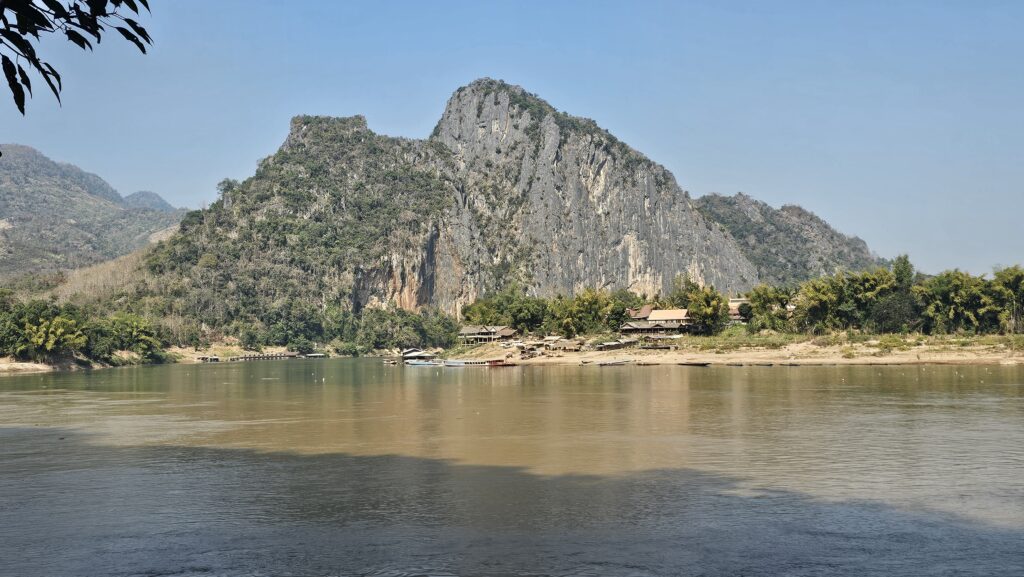
The scenery itself was obviously the biggest highlight. Laos has a rawness to it that still feels untouched in many areas, especially along the Mekong River. There were long stretches where you saw no roads, no modern buildings, and barely any signs of tourism at all. Just jungle, mountains, riverbanks, and tiny communities surviving alongside the water.
Watching local life unfold naturally became strangely addictive. Children swimming. Fishermen casting nets. Villagers washing clothes by the river. Small wooden boats transporting supplies between settlements. It felt authentic because it was authentic.
One morning the mist over the Mekong River created this surreal atmosphere where the mountains almost disappeared into the clouds. Everyone onboard stopped talking and simply stared out silently for a while. Those quiet moments became my favorite part of the journey.
The photography opportunities were endless as well. Even people without serious cameras constantly pulled out phones trying to capture the changing scenery. Sunrise and sunset were especially beautiful, with soft golden light reflecting off the muddy river water.
The social aspect surprised me too.
Because the journey lasts two full days, you naturally end up chatting with people around you. Travelers swap stories, recommendations, and future plans. Unlike airports or quick bus journeys, there is no rush. Conversations happen slowly and naturally.
One couple had been traveling overland from Europe for nearly a year. Another guy was cycling through Southeast Asia. Everyone seemed drawn toward slower styles of travel, which probably explains why the atmosphere onboard felt relaxed rather than chaotic.
The cave stop was memorable partly because of the climb. After sitting for hours on the boat, climbing endless stairs in humid Laos heat felt brutal. But reaching the caves and looking back over the river made it worthwhile.
And honestly, the silly little moments stayed with me too. Drinking questionable rice whiskey from tiny plastic cups. Buying scorpion whiskey like a complete tourist. Watching people attempt to nap awkwardly across car seats. Laughing as everyone scrambled for better photo angles whenever something interesting appeared along the riverbanks.
Travel memories are often built from those small details more than the major landmarks.
Honest Review of the Luxury Slow Boat From Houayxay to Luang Prabang
So, was the luxury slow boat in Laos worth it?
For me, absolutely yes.
Would I do the standard boat instead? Honestly, no chance.
I completely understand why younger backpackers choose the cheaper option. If you are in your early twenties, traveling ultra-budget style, and comfortable being cramped for two days, then the standard slow boat probably feels like part of the adventure. But at my age, comfort matters more than proving something to myself.
The luxury version simply made the experience enjoyable instead of exhausting.
The extra space alone changed everything. Having tables, room to stretch, easier access to food and drinks, and fewer passengers created a far calmer atmosphere. We could actually relax and appreciate the journey properly rather than counting down the hours.
That said, people should manage expectations around the word “luxury.” This is Laos luxury, not Dubai luxury. The seats are still recycled car seats. The toilets are functional rather than glamorous. WiFi basically does not exist. Some sections still feel rustic.
But honestly, that is part of the charm.
The pros massively outweighed the negatives for me. Incredible scenery. A genuinely unique travel experience. Relaxed pace. Comfortable enough seating. Amazing photography opportunities. Real glimpses into rural Laos life.
There were some downsides though.
The journey is long. Really long. If you get restless easily, you might struggle during quieter stretches. Weather also impacts comfort. Hot afternoons can feel draining despite the breeze off the river. Pak Beng overnight accommodation can be hit-or-miss depending on where you stay.
Pricing felt fair overall considering the experience, although definitely more expensive than local transport alternatives. Still, this is not really about efficiency. It is about the journey itself.
Sleep quality in Pak Beng depended entirely on your guesthouse choice. Some travelers complained about noise and uncomfortable beds. We booked somewhere reasonably decent and slept fine.
Transport logistics were surprisingly smooth overall, though communication sometimes felt vague. Laos runs on relaxed timing. Boats leave when they leave. Plans shift slightly. You just accept it.
If I did the trip again, I would probably pack even lighter and maybe bring better snacks for the longer stretches. I would also spend an extra night in Pak Beng simply to slow the experience down even more.
Who suits this trip best?
People who enjoy slower travel. Travelers who appreciate scenery and atmosphere more than ticking landmarks off lists. Photographers. Couples. Older backpackers. Anyone tired of airports and rushed itineraries.
Who might dislike it?
People needing constant stimulation. Travelers expecting luxury cruise standards. Anyone with serious back problems or limited patience for long transport days.
But personally, this became one of my favorite travel experiences in Southeast Asia.
FAQ About the Luxury Slow Boat From Houayxay to Luang Prabang
Is the luxury slow boat from Houayxay to Luang Prabang worth it?
Yes, especially if comfort matters to you. The luxury slow boat gives you significantly more space, tables, easier access to food and drinks, and a calmer atmosphere overall. For older travelers or anyone not wanting to spend two full days squeezed tightly into rows of seats, the upgrade is definitely worthwhile.
What is the best time to do the slow boat in Laos?
The best time is generally between November and February when temperatures are cooler and the weather is more comfortable. During hotter months, the afternoons on the river can become extremely warm. Rainy season brings greener scenery but also less predictable conditions.
How long does the slow boat from Houayxay to Luang Prabang take?
The journey takes two days with one overnight stop in Pak Beng. You travel roughly six to eight hours each day depending on river conditions and stops along the route.
Is the slow boat in Laos safe?
I personally felt very safe during the journey. The boats move slowly, staff seemed experienced, and the atmosphere onboard was relaxed. Like anywhere in Southeast Asia, basic travel awareness is sensible, but I never encountered any problems.
Is the luxury slow boat suitable for older travelers?
Definitely. In fact, I would specifically recommend the luxury version for older travelers. The additional comfort makes a huge difference over two long days on the river.
Can you sleep on the slow boat?
No, you do not sleep onboard. Everyone stays overnight in Pak Beng before continuing the second day toward Luang Prabang. Most people book guesthouses or small hotels for the night.
What should I bring on the Laos slow boat?
Bring entertainment, snacks, sunscreen, power banks, water, comfortable clothes, and something light for cooler mornings. Cards or downloaded podcasts are useful during quieter stretches of the trip.
Is the slow boat crowded?
The standard boats can become very crowded, especially during peak backpacking season. The luxury boats are far more spacious with fewer passengers, which creates a much more relaxed experience overall.
Is the slow boat good for photography?
Absolutely. This was one of the best photography experiences I had in Laos. The scenery changes constantly, and the river gives access to views impossible to see from roads.
Would I do the luxury slow boat again?
Yes, absolutely. But only the luxury version. The comfort upgrade transformed the journey from something potentially exhausting into one of the most memorable parts of traveling through Laos.
Final Thoughts on the Luxury Slow Boat Experience in Laos
The luxury slow boat from Houayxay to Luang Prabang ended up becoming far more than simple transportation for me. It captured exactly what I wanted from this trip around Southeast Asia. Slower travel. Real landscapes. Genuine moments. Time to actually experience a country rather than rushing through it.
Laos feels different from many places in Southeast Asia. Slower. Quieter. Less polished. And drifting down the Mekong River for two days lets you appreciate that properly.
At times the journey feels repetitive. At times uncomfortable. Occasionally boring even. But then suddenly elephants appear beside the river, or children wave from tiny villages, or the mountains catch the evening light perfectly, and you remember exactly why experiences like this matter.
Some journeys are simply about getting somewhere.
This one is entirely about everything in between.
GEAR I USE (Affiliate Links)
(Some links may earn me a small commission at no extra cost to you)
Cameras
Sensor Cleaning
Full Frame Sensor Cleaning Kit
Storage
SanDisk 256GB Extreme microSDXC
Lexar Professional 1667x SD Card
Drones & Action Cameras
CONTENT THEMES
Naturally reference:
street photography
walking tours
scenic hikes
drone photography
cinematic video
travel photography
nature photography
FOLLOW & SUPPORT MY WORK
Digital Photos (Commercial Licence):
Leave a Reply