
Table of Contents
Table of Contents
Introduction
Seoul Has No Soul? First Impressions
Seoul was the final stop on what had become one of the most memorable six-month journeys of my life. By the time I arrived in South Korea, I had already crossed mountains in Vietnam on the Ha Giang Loop, sailed through the incredible waters between Coron and El Nido in the Philippines, and stood face to face with Komodo dragons in Indonesia. Looking back, that probably influenced how I felt about Seoul from the very beginning.
The city had a lot to live up to.
When people talk about Seoul, they often describe it as one of the most exciting cities in Asia. It’s modern, efficient, safe, packed with food, and famous for its culture. Naturally, I arrived expecting to be blown away.
Instead, my first reaction was surprisingly muted.
That doesn’t mean Seoul was bad. Far from it. The city was clean, organized, and incredibly easy to navigate. The people were polite and welcoming enough, and I never once felt uncomfortable. But there was something missing for me personally. As the trip went on, I found myself wondering whether the phrase “Seoul Has No Soul” had some truth behind it, or whether I was simply comparing it unfairly to the incredible adventures that had come before.
The atmosphere felt different from other places I had visited. Less chaotic, less spontaneous, and perhaps less interactive. It felt like everyone had somewhere important to be. Nobody was rude, but meaningful conversations with locals seemed difficult to come by.
Maybe my expectations were too high. Maybe I was simply exhausted after six months on the road. Or maybe Seoul just wasn’t the type of city that connected with me in the same way as other destinations had.
Whatever the reason, this became one of the most interesting cities I’ve ever tried to understand.
Arrival and Preparation
My arrival in South Korea was already a little different from most travelers because I didn’t fly.
Anyone who has followed my travels knows I generally avoid flying whenever possible. Instead, I arrived from Osaka using the overnight ferry. I have to admit, it was actually a pretty decent experience. The ferry was comfortable, relatively relaxed, and far less stressful than airports usually are.
After arriving in Korea, we spent two days exploring Busan before heading north. Busan immediately felt more relaxed to me. The coastal atmosphere, slower pace, and ocean views made it easy to enjoy.
The journey from Busan to Seoul was done using the famous KTX bullet train. This ended up being one of my favorite parts of traveling in South Korea. The trains were fast, affordable by international standards, spotless, and most importantly, perfectly on time. They departed when they were supposed to and arrived when they were supposed to.
Simple things like that make travel much easier.
As we approached Seoul, I expected the energy level to rise dramatically. I imagined a city packed with iconic landmarks, unforgettable neighborhoods, and countless experiences waiting around every corner.
The reality was slightly different.
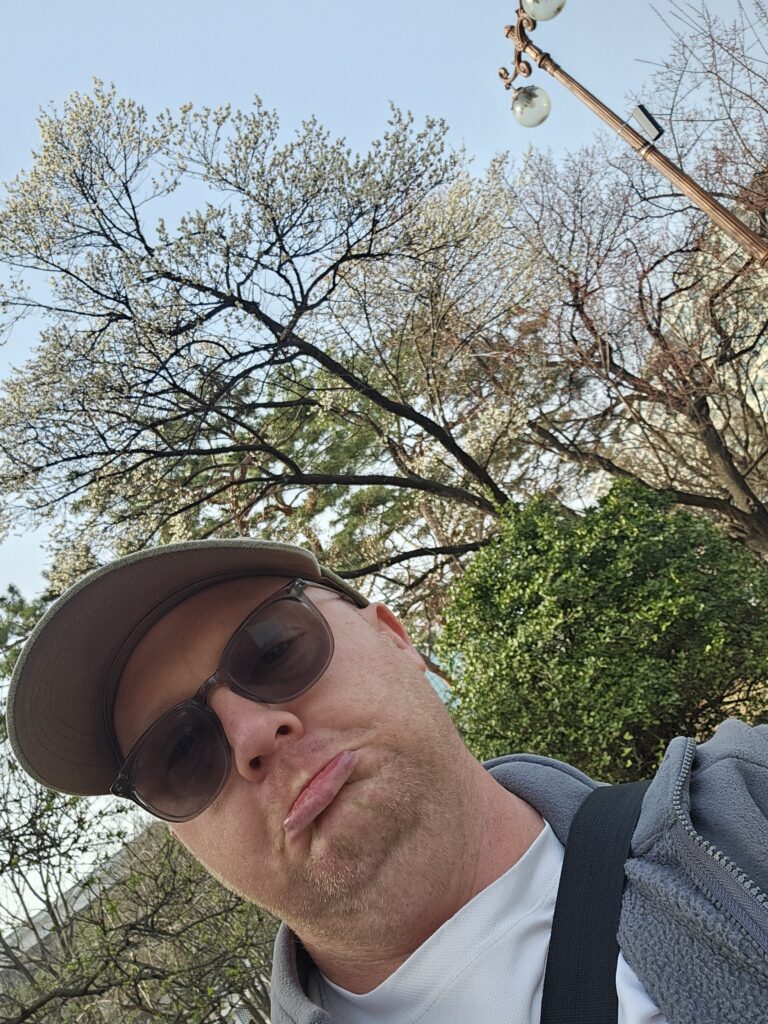
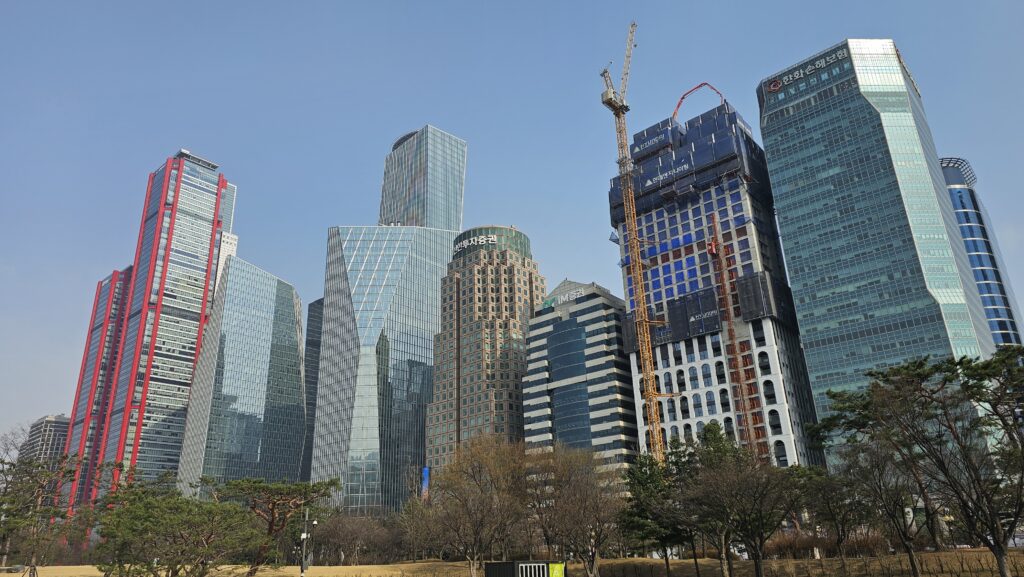
Seoul certainly looked impressive. Huge buildings dominated the skyline, technology seemed integrated into daily life everywhere, and public transport appeared incredibly efficient. Yet despite all of this, I didn’t immediately feel that excitement I often experience when arriving somewhere new.
That disconnect would become one of the main themes of my time in the city.
Main Experience
Exploring Seoul Has No Soul Claims
The more time I spent in Seoul, the more I found myself trying to understand why some travelers say Seoul Has No Soul.
The transport system was genuinely excellent. Getting around was easy, reliable, and affordable. One feature I particularly liked was the fare cap system on buses. After using public transport enough times within a certain period, additional journeys stopped costing extra money. Small details like that make everyday travel much more pleasant.
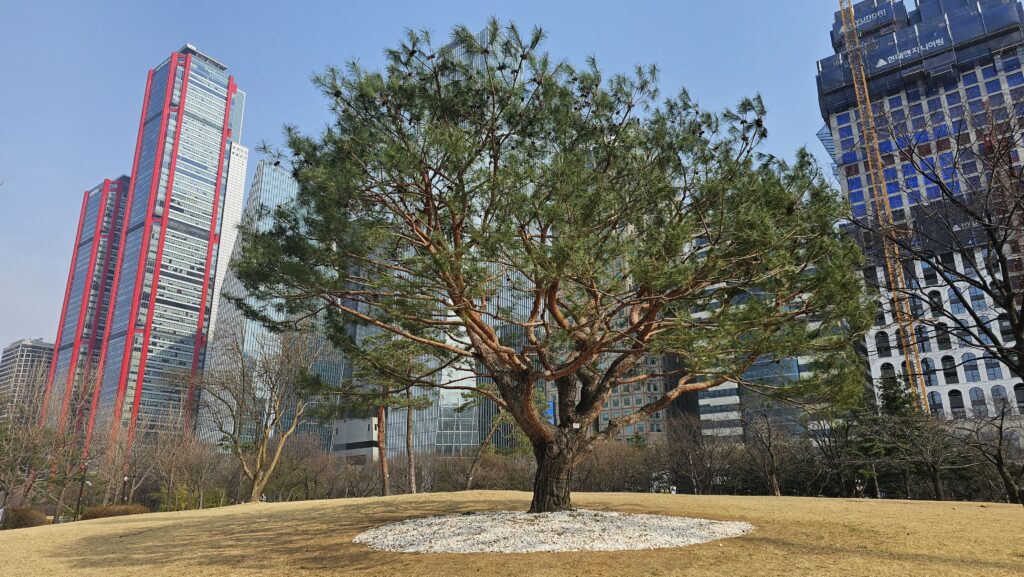
Walking around Seoul was interesting because the city constantly presented contrasts. Modern skyscrapers stood beside traditional architecture. Busy commercial districts transitioned into quieter residential neighborhoods. Everything felt functional and efficient.
Yet sometimes it almost felt too efficient.
Many of my favorite travel memories come from random encounters, unexpected conversations, or getting completely lost somewhere unfamiliar. Seoul rarely provided those moments. People seemed focused on their daily routines.
Again, nobody was unfriendly.
We received smiles from locals and generally felt welcome. But engaging beyond that proved difficult. Whether that was cultural differences, language barriers, or simply people being busy, I’m not entirely sure.
Why Some Travelers Say Seoul Has No Soul
One reason some visitors feel Seoul Has No Soul might be because the city lacks a single defining attraction.
Think about cities like Paris, where the Eiffel Tower immediately comes to mind. Think about New York and Times Square, or Sydney and the Opera House.
With Seoul, I struggled to identify that one unforgettable centerpiece.
Instead, the city offers many good experiences without necessarily delivering one overwhelming highlight.
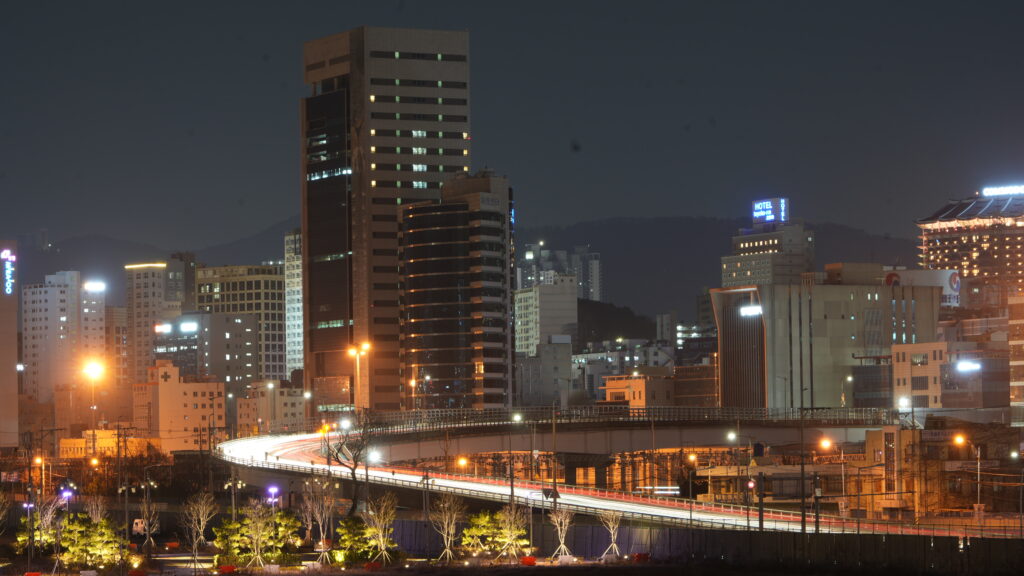
Nighttime photography was probably where Seoul impressed me most.
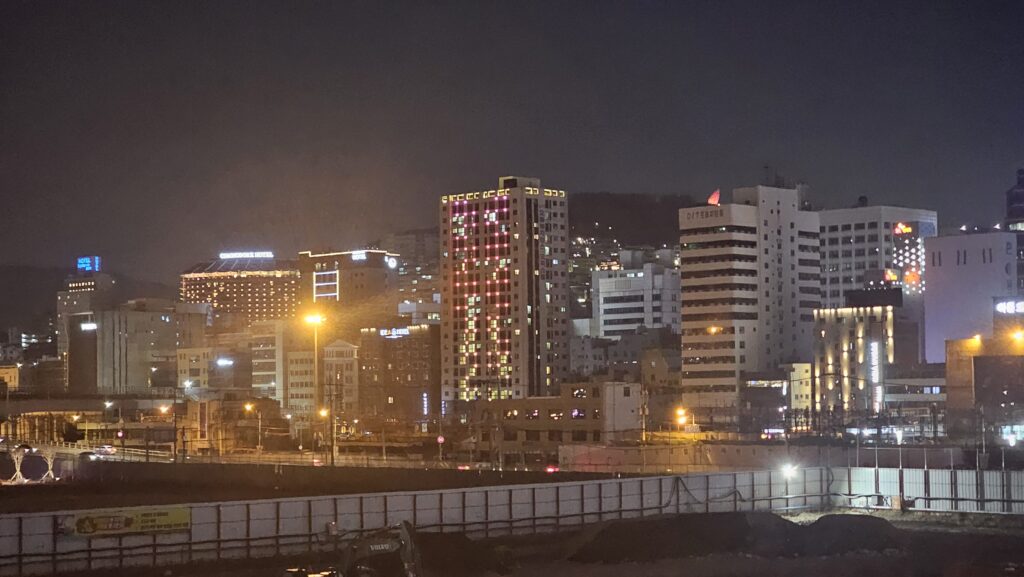
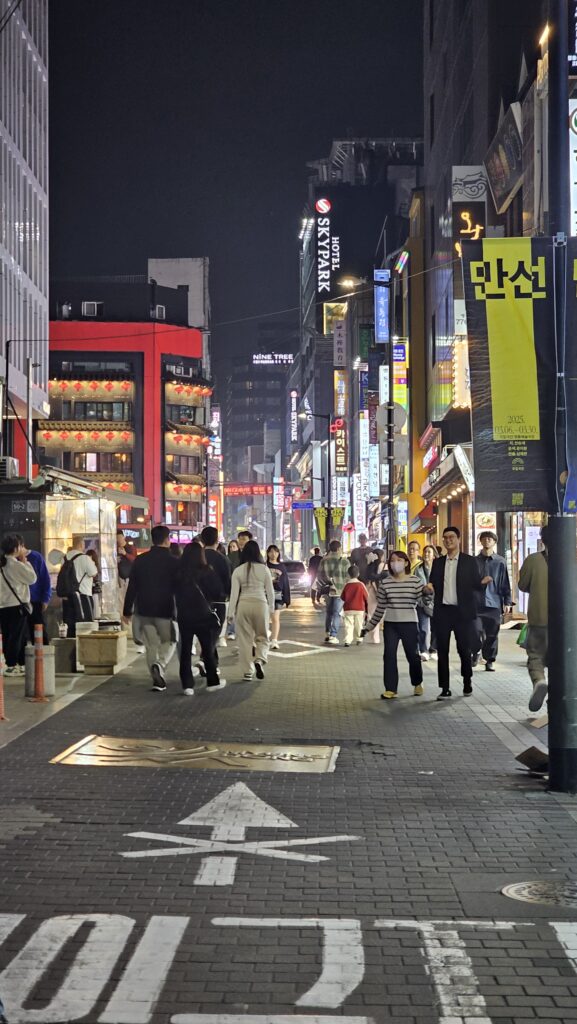
The city transforms after dark. Neon signs illuminate entire districts. Streams of traffic create perfect opportunities for long-exposure photography. Reflections bounce off glass buildings and wet streets.
For photographers, especially street photographers, Seoul can be fantastic.
I spent several evenings wandering with my camera, capturing light trails from passing cars and experimenting with urban compositions. Those nights probably produced some of my favorite photographs from South Korea.
The food scene was another highlight.
I met up with a friend during my stay, and we went out for Korean BBQ. As expected, it was excellent. The quality of the meat, the social atmosphere, and the endless side dishes created a genuinely enjoyable evening.
And then there was kimchi.
I already liked kimchi before arriving in Korea, but eating it in its home country is something else entirely. It accompanied nearly every meal and somehow never became repetitive.
Food certainly wasn’t the reason I felt disconnected from Seoul.
The DMZ Experience
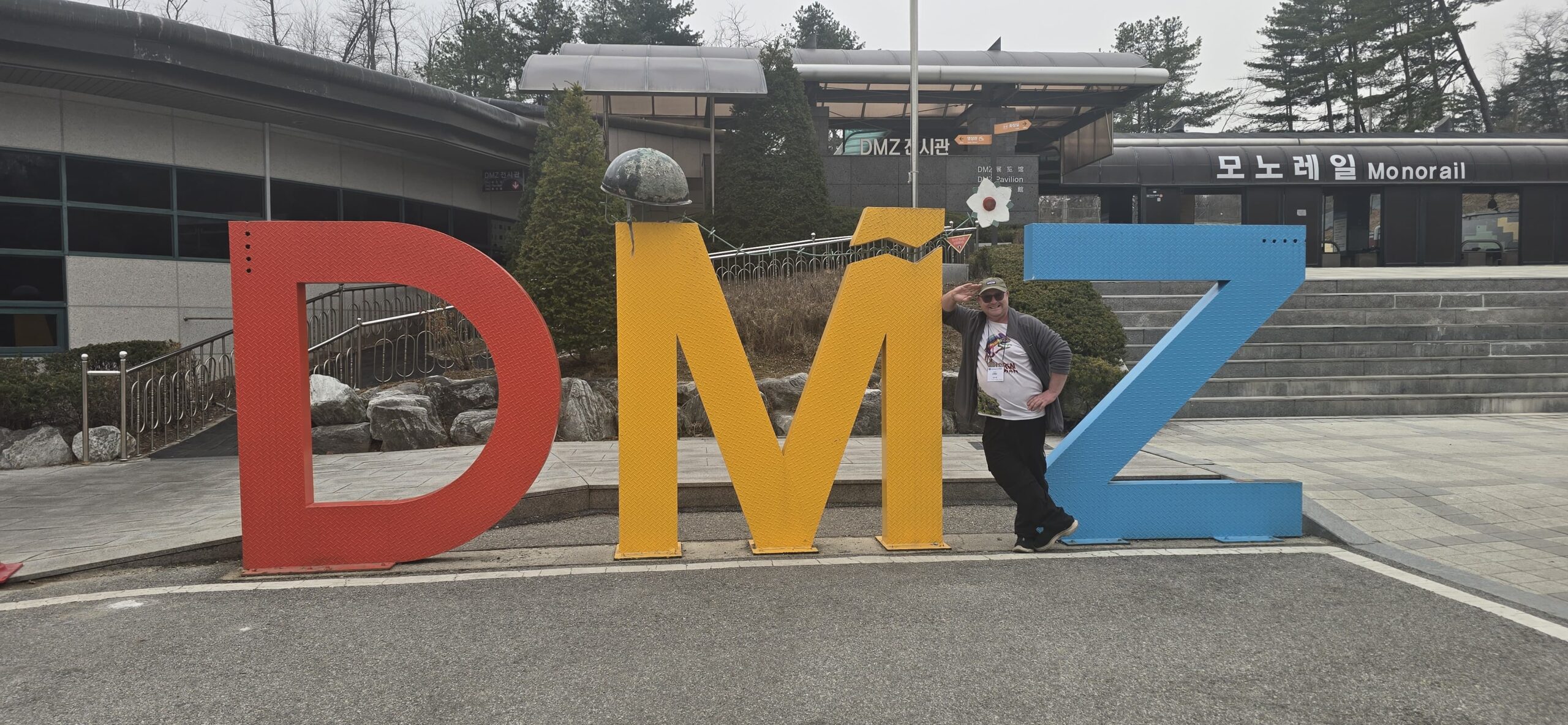
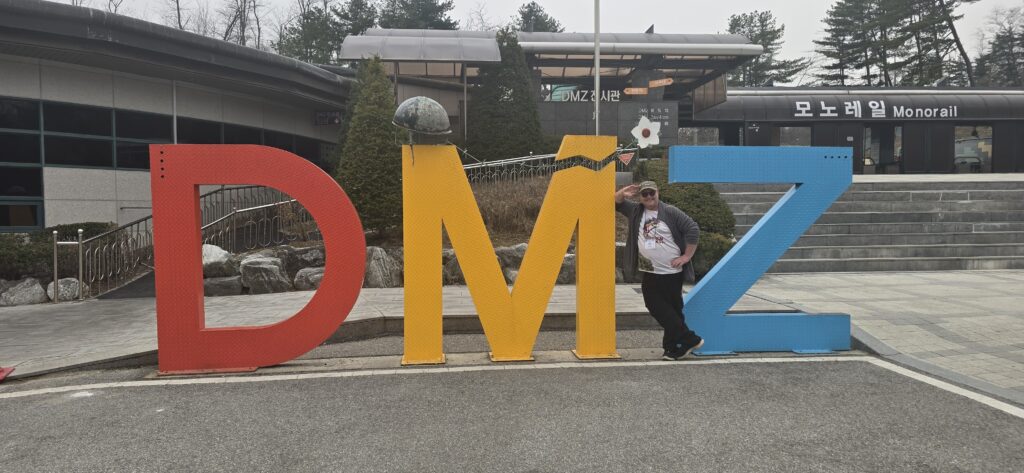
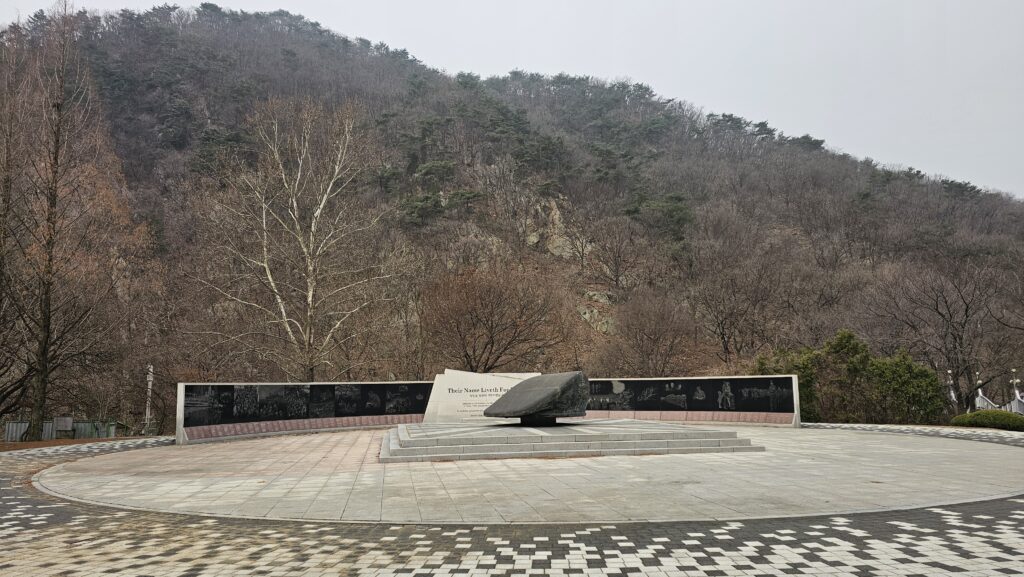
One attraction that repeatedly appears on every Seoul itinerary is the DMZ.
Naturally, I felt obligated to visit.
The experience was interesting, but it didn’t quite match the hype surrounding it.
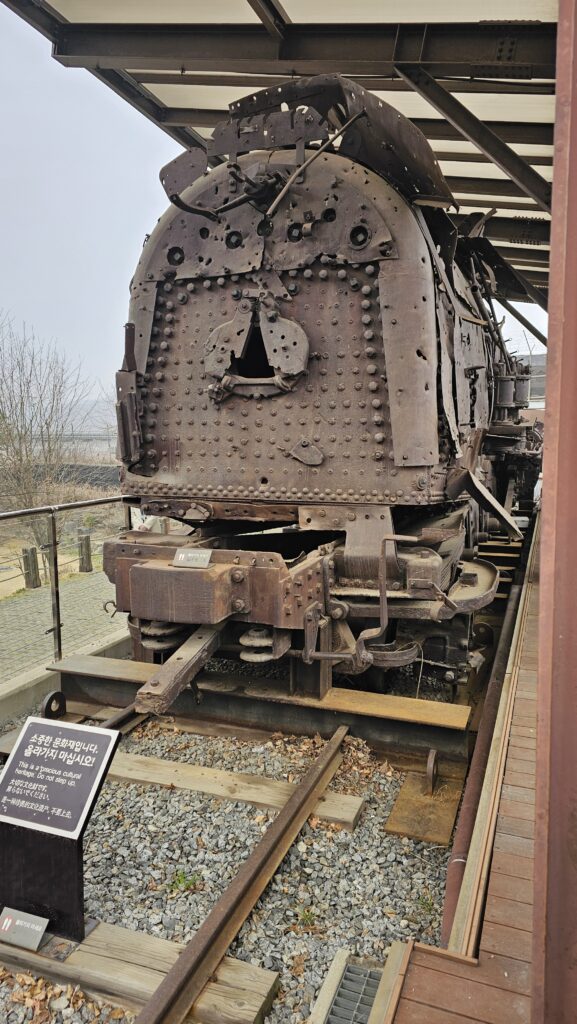
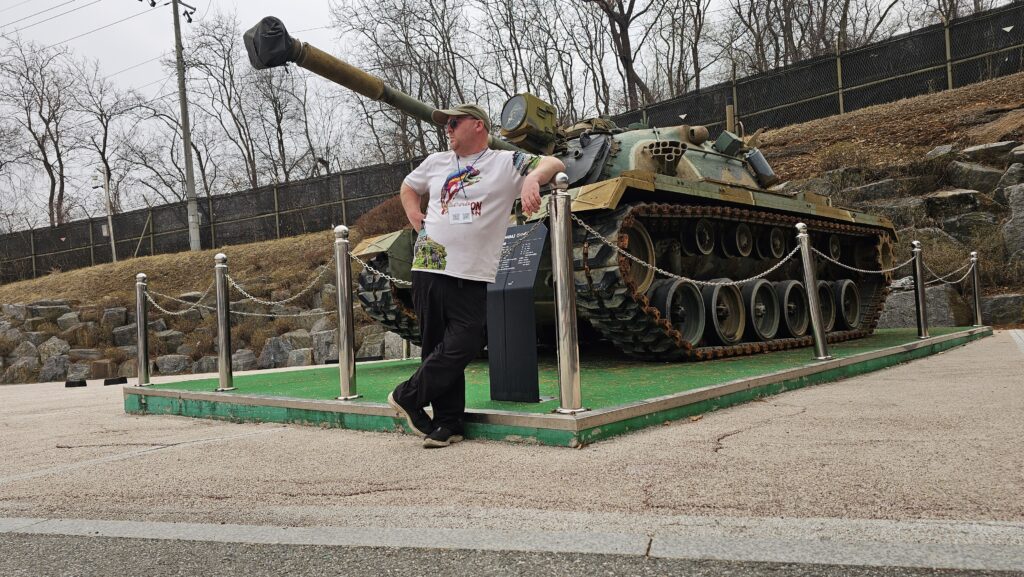
There were moments that genuinely stood out. Seeing the old bullet-riddled train was fascinating. The military history is undeniably important, and standing so close to one of the world’s most heavily fortified borders creates a strange atmosphere.
However, some parts felt slightly underwhelming.
At one point, a guide spoke about activists dropping USB drives across the border containing outside information and propaganda. Shortly afterward, discussions turned toward extreme poverty and limited access to electricity in North Korea.
I couldn’t help noticing the contradiction.
If electricity access is extremely limited, who exactly is using all these USB drives?
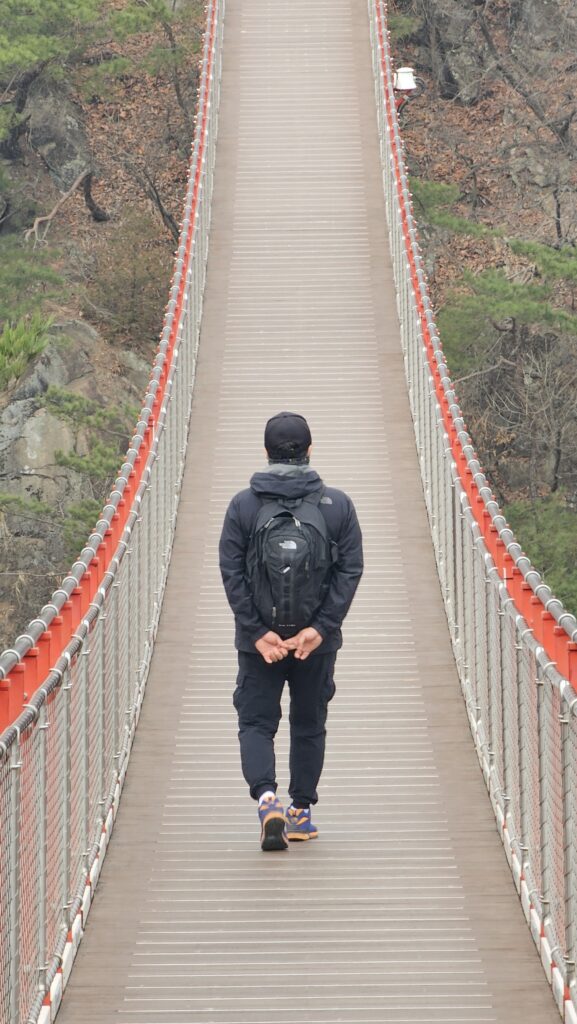
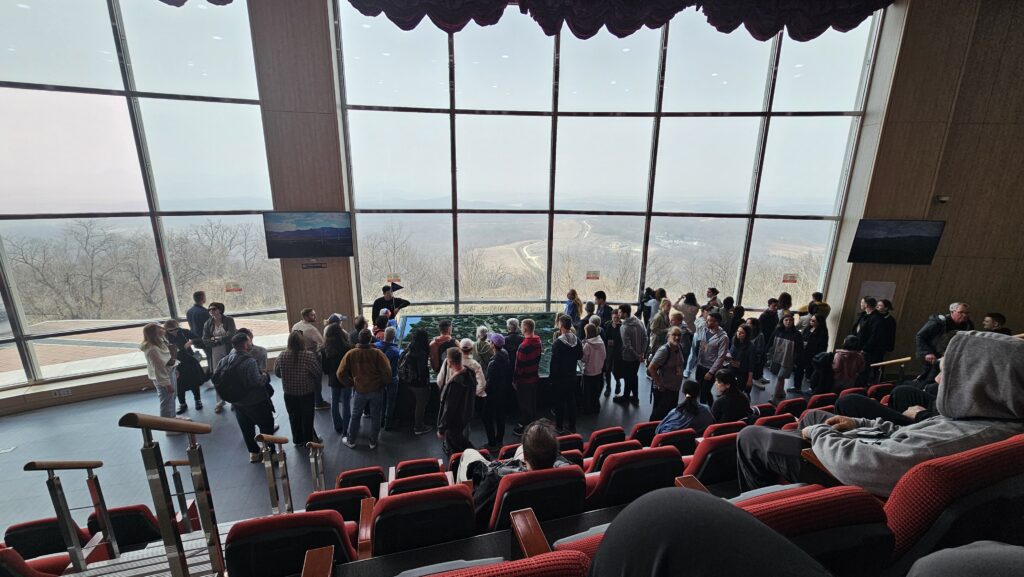
The observation area itself was another example of expectations versus reality. Looking across the border was certainly unique, but visually it was mostly fields and distant landscape.
If you’re already in Seoul, I think the DMZ is worth visiting.
Would I build an entire trip around it?
Probably not.
There were also tunnels available to explore, but I chose to skip them. Maybe that was a mistake, but after seeing the queues and crowds, it felt a little too tourist-focused for my taste.
Gyeongbokgung Palace
If there was one attraction that genuinely exceeded my expectations, it was Gyeongbokgung Palace.
The palace grounds offered a refreshing contrast to the modern city surrounding them.
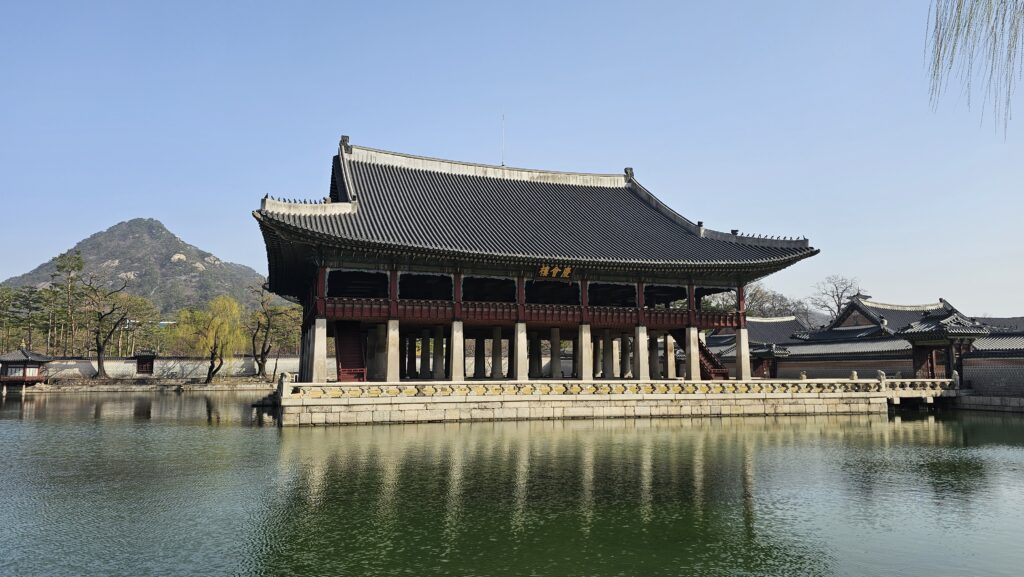
The architecture was beautiful, the setting was peaceful, and there was enough space to escape the constant movement of urban Seoul.
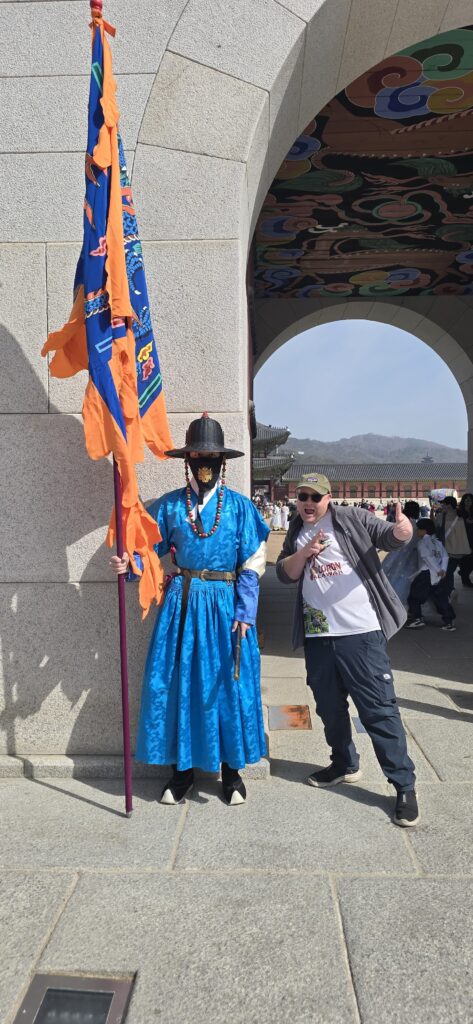
The highlight was undoubtedly the changing of the guard ceremony.
Watching the ritual unfold gave the palace a sense of authenticity and tradition that I felt was missing from parts of the city.
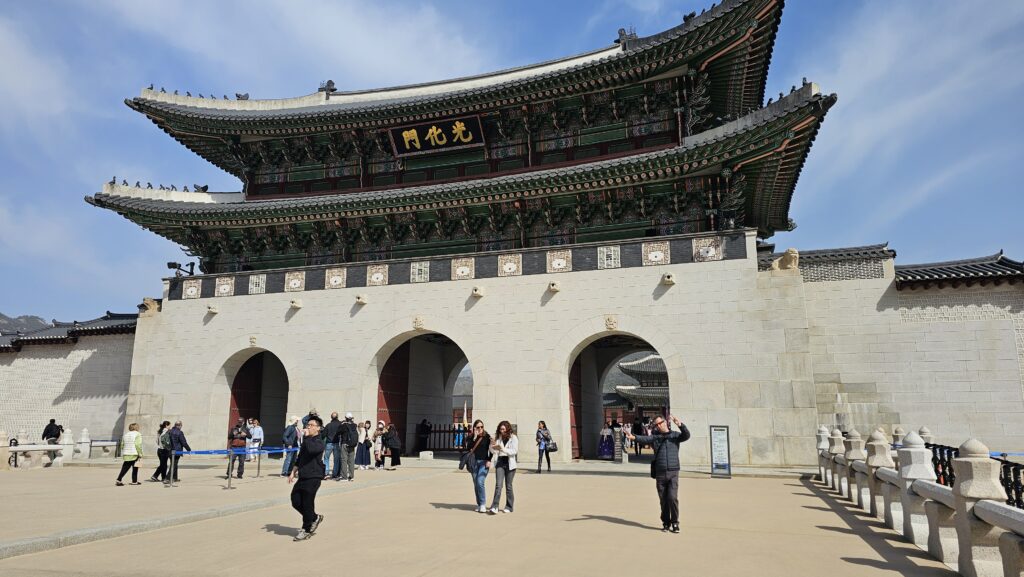
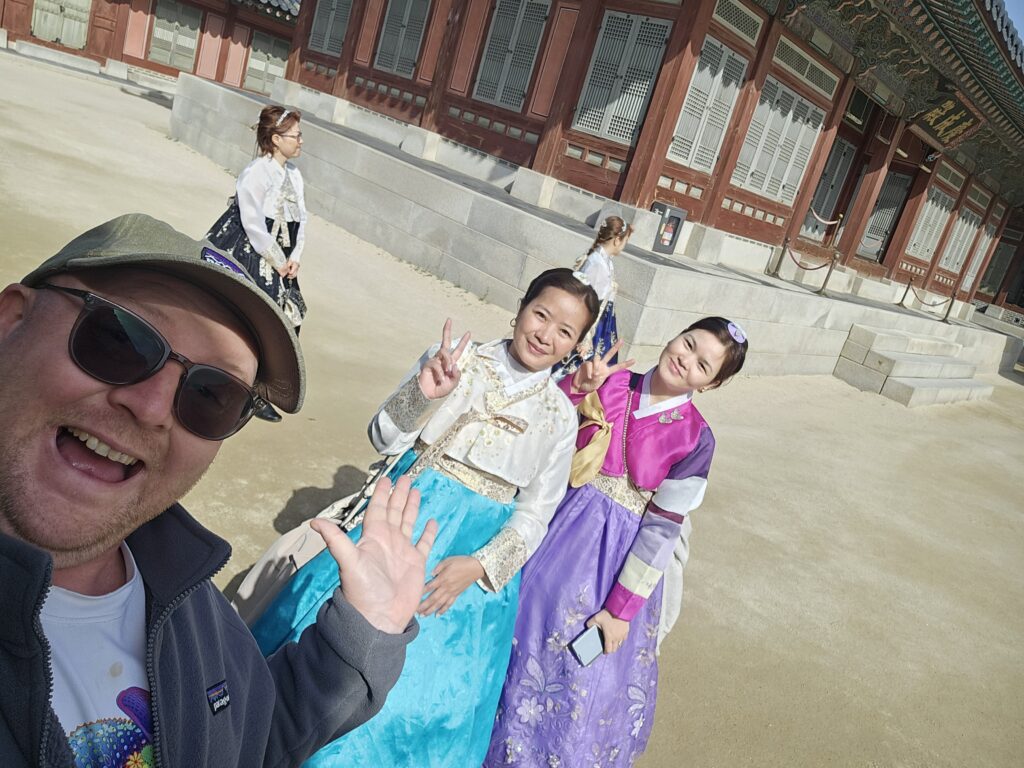
Another aspect I enjoyed was seeing visitors dressed in traditional Korean clothing. It added color and atmosphere to the experience while helping preserve cultural traditions in a way that felt accessible rather than staged.
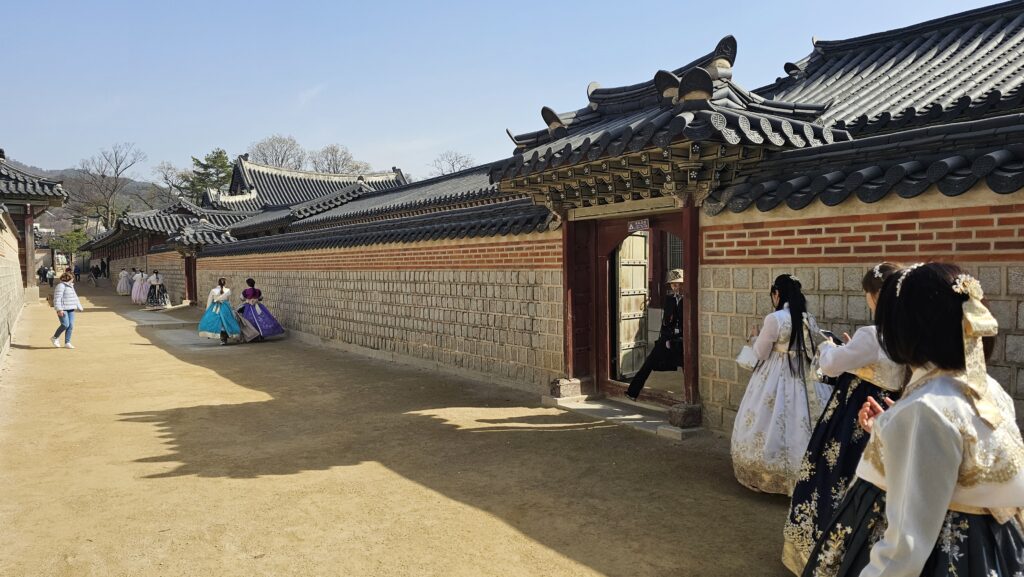
For a few hours, Seoul felt more connected to its history.
Those moments challenged my growing impression that Seoul Has No Soul.
N Seoul Tower and Yeouido
N Seoul Tower was another attraction I had looked forward to.
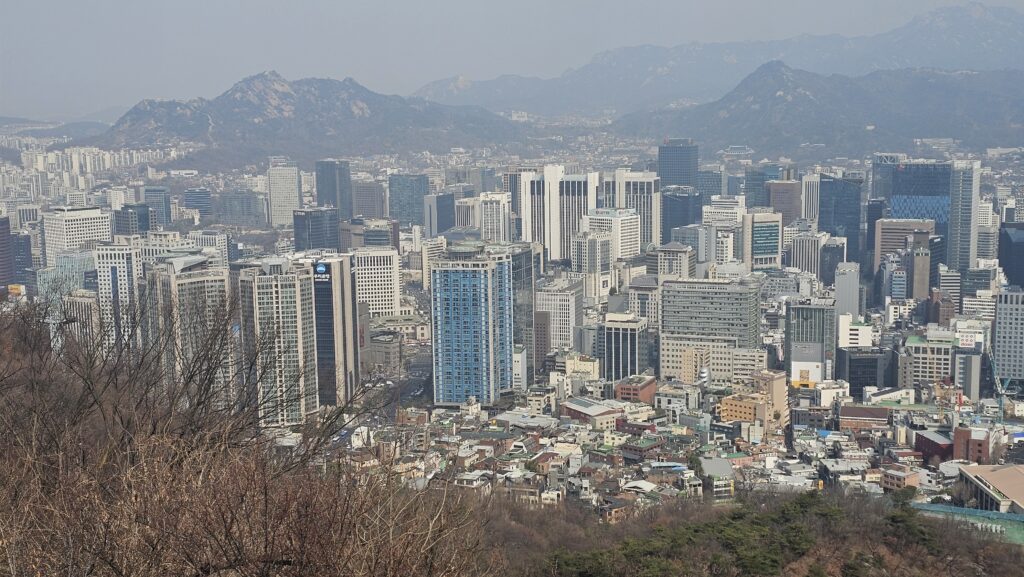
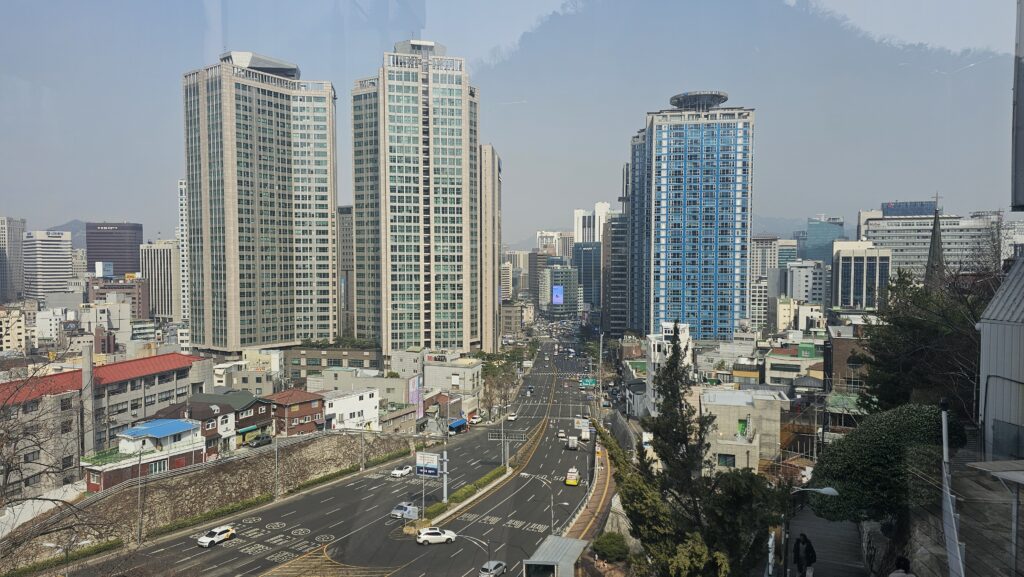
The views were undeniably impressive. Seeing the city spread out beneath you provides a useful perspective on just how massive Seoul really is.
That said, once I had admired the view, I found myself wondering what else there was to do.
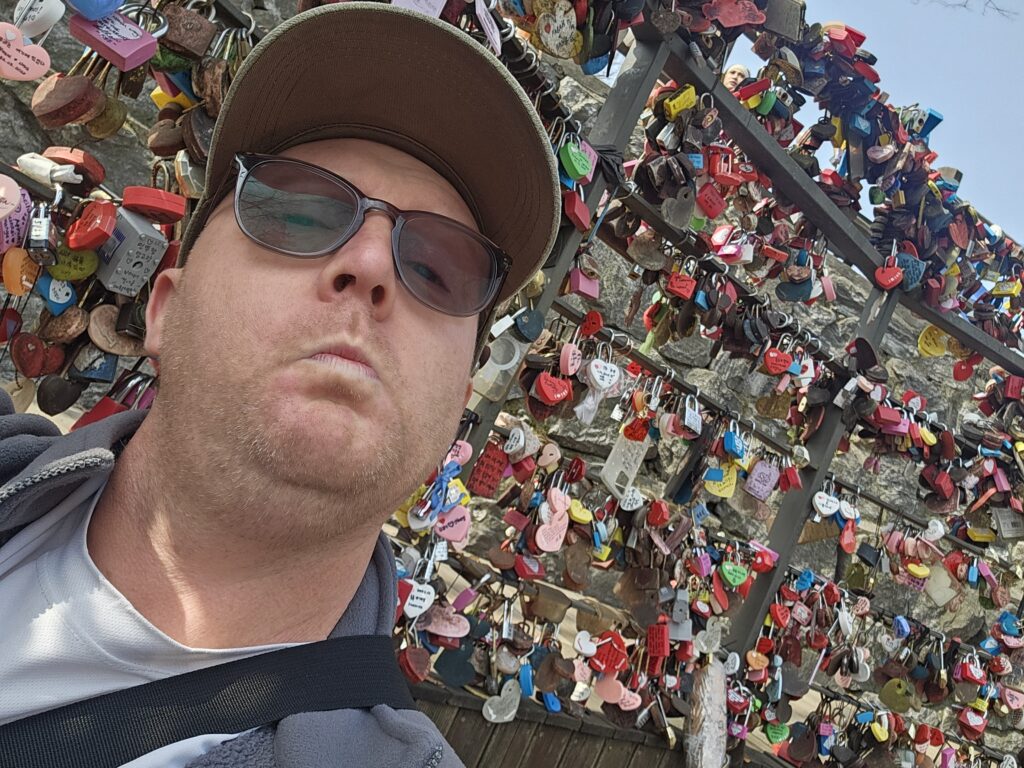
Perhaps it’s one of those places that feels more romantic than exciting.
I joked afterward that it would probably be better with a girlfriend.
The observation deck was pleasant, but it didn’t leave a lasting impression.
Later, we explored areas around Yeouido Park.
This was during cherry blossom season, or at least it was supposed to be.
Unfortunately, we arrived slightly too early.
After missing peak cherry blossoms in Japan as well, it felt like a recurring theme throughout my travels.
I can’t blame Korea for that one.
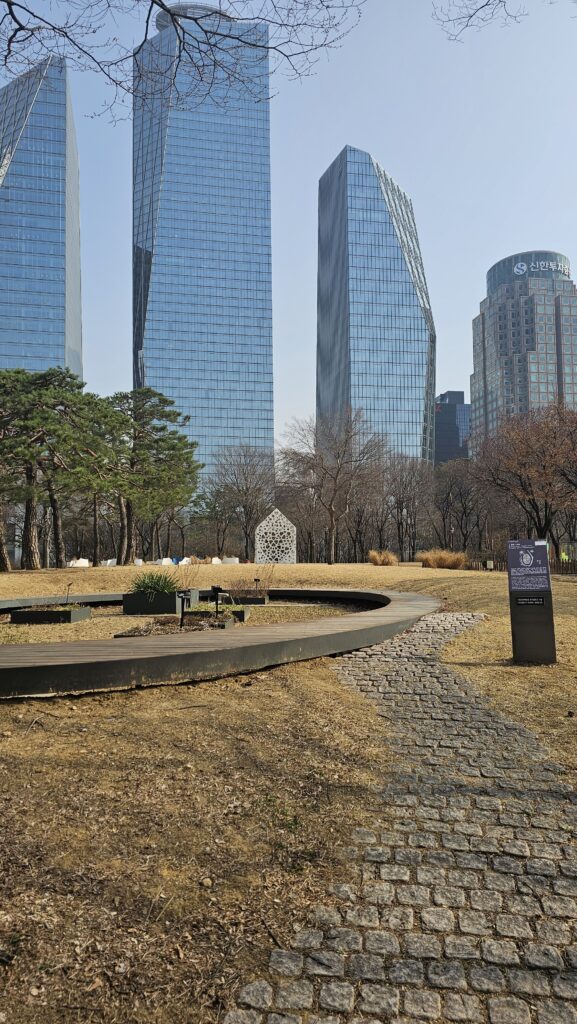
The park itself was enjoyable and offered a nice break from the city’s busier districts. Families relaxed outdoors, locals exercised, and the atmosphere felt more personal than many central tourist areas.
Hotels in the Area
Luxury Hotels in Seoul
Travelers seeking luxury accommodation in Seoul have several excellent options. The Shilla Seoul consistently stands out thanks to its exceptional service, elegant atmosphere, and convenient location. The Four Seasons Hotel Seoul offers world-class facilities and suits visitors looking for premium comfort in the city center. Signiel Seoul, located within the Lotte World Tower, provides spectacular views and a more modern luxury experience.
Mid-Range Hotels in Seoul
For travelers wanting comfort without luxury pricing, L7 Myeongdong is a reliable option with excellent access to shopping and transport. Nine Tree Premier Hotel Insadong provides a comfortable balance between convenience and value while remaining close to major attractions. Sotetsu Hotels The Splaisir Seoul Myeongdong also offers dependable accommodation in a central location suitable for first-time visitors.
Budget Hotels in Seoul
Budget-conscious travelers will find Seoul surprisingly accommodating. Step Inn Myeongdong is popular among backpackers thanks to its location and affordability. Hostel Haru provides a more social environment for solo travelers. Philstay Myeongdong Station remains another practical choice for those prioritizing convenience over luxury.
Highlights and Standout Moments
Moments That Challenged the Seoul Has No Soul Idea
Despite the title of this article, there were absolutely moments that challenged the idea that Seoul Has No Soul.
Walking through illuminated streets at night with my camera was genuinely enjoyable.
Watching the changing of the guard at Gyeongbokgung Palace offered cultural depth and historical context.
Experiencing authentic Korean BBQ with friends created memories that had nothing to do with sightseeing.
The KTX train journey from Busan demonstrated just how efficient modern Korea has become.
Even simple moments, like observing daily life from a park bench or watching commuters navigate the city, helped me appreciate aspects of Seoul that aren’t immediately obvious.
The city rewards observation.
It simply doesn’t always reward it in dramatic ways.
Honest Review
Is Seoul Has No Soul Actually Fair?
After spending time there, I don’t think saying Seoul Has No Soul is completely fair.
However, I understand why some travelers feel that way.
The positives are substantial. Public transport is outstanding. The city is clean, organized, safe, and technologically advanced. Food quality is excellent, and accommodation options suit nearly every budget.
The downside is that Seoul sometimes feels difficult to connect with emotionally.
Compared to destinations that naturally create adventure and spontaneous interactions, Seoul can feel more structured and predictable.
Crowds were rarely overwhelming outside major tourist sites, which I appreciated.
Sleep quality was generally good because accommodation standards were high.
Pricing felt reasonable compared to other major global capitals.
If I visited again, I would probably spend less time chasing famous attractions and more time exploring neighborhoods, cafes, markets, and local communities.
I suspect that’s where the real personality of Seoul exists.
For first-time visitors, Seoul is an easy destination to recommend.
For travelers arriving after six months of island hopping, mountain adventures, and wildlife encounters, the city may feel less dramatic.
Context matters.
A lot.
FAQ Section
Is Seoul Has No Soul or is it worth visiting?
Seoul is definitely worth visiting. While some travelers may feel that Seoul Has No Soul compared to more adventurous destinations, the city offers excellent food, culture, history, and infrastructure. Whether you connect with it personally depends on your travel style and expectations.
What is the best time to visit Seoul?
Spring and autumn are generally considered the best seasons. Cherry blossom season attracts many visitors, while autumn offers pleasant temperatures and beautiful colors throughout the city.
Is Seoul expensive for tourists?
Seoul can accommodate most budgets. Public transport is affordable, food ranges from cheap street meals to premium dining experiences, and accommodation options exist for budget backpackers through to luxury travelers.
Is Seoul safe for solo travelers?
Seoul is one of the safest major cities I have visited in Asia. Solo travelers should feel comfortable exploring both day and night while still following normal travel precautions.
Is Seoul easy to walk around?
Many districts are walkable, but the city is enormous. Expect to combine walking with extensive use of public transport to reach attractions efficiently.
How good is public transport in Seoul?
Public transport is excellent. The subway system is extensive, buses are reliable, and integrated payment systems make moving around the city straightforward.
Is the DMZ worth visiting?
The DMZ is worth seeing if you are already in Seoul. It provides unique historical context, although some travelers may find parts of the experience less visually impressive than expected.
Is Seoul good for photography?
Absolutely. Night photography is particularly rewarding. Neon lights, modern architecture, traffic trails, and urban landscapes provide endless creative opportunities.
What weather should I expect in Seoul?
Seoul experiences four distinct seasons. Summers can be hot and humid, winters can be very cold, while spring and autumn generally offer the most comfortable conditions.
Who is Seoul best suited for?
Seoul suits travelers interested in food, culture, technology, shopping, and urban exploration. Those seeking adventure, beaches, or dramatic landscapes may find other parts of Asia more exciting.
My Final Thoughts on Seoul Has No Soul
At the end of six months traveling across Asia, Seoul was perhaps the victim of timing more than anything else.
Coming directly from experiences like the Ha Giang Loop, Coron to El Nido, and Komodo National Park created impossible comparisons.
Seoul never truly disappointed me.
It simply never amazed me.
The city is efficient, comfortable, safe, and easy to explore. It offers excellent food, fascinating history, and some fantastic photography opportunities. Yet for whatever reason, I never developed the emotional connection I found elsewhere in Asia.
Does Seoul Has No Soul?
No.
But it might hide its soul better than other cities.
And maybe that’s the point.
Perhaps Seoul isn’t a destination that immediately reveals itself. Perhaps it’s a city that rewards deeper exploration, longer stays, and slower travel.
Or perhaps I simply arrived at the wrong moment.
Either way, I’d genuinely love to hear what other travelers think of Korea because I’m still not entirely sure whether I missed something—or whether Seoul and I simply never clicked.

Leave a Reply