
Budapest Travel Guide Introduction
Table of Contents
Table of Contents
Budapest honestly surprised me all over again. I had visited back in 2018, and I still remembered how beautiful the city looked at night, but returning recently reminded me exactly why this place is one of the absolute must-visit cities in Europe. Some cities lose their magic after the first trip because the surprise factor disappears. Budapest somehow does the opposite. The second visit made me appreciate the atmosphere even more.
I chose Budapest again because I wanted a city that mixed history, nightlife, architecture, good food, and affordability without feeling overly touristy or fake. A lot of European cities are becoming extremely expensive now, especially if you want decent food, central accommodation, and attractions without constantly checking your bank balance. Budapest still manages to feel accessible while also offering genuinely world-class sights and experiences.
The first thing that hit me again was just how grand the city feels. The buildings are enormous, detailed, and elegant without looking overly polished. There is a slight roughness to Budapest that gives it personality. You can walk down one street filled with luxury hotels and expensive fashion stores, then turn a corner and suddenly find old pubs, food stalls, local bakeries, and hidden courtyards full of life.
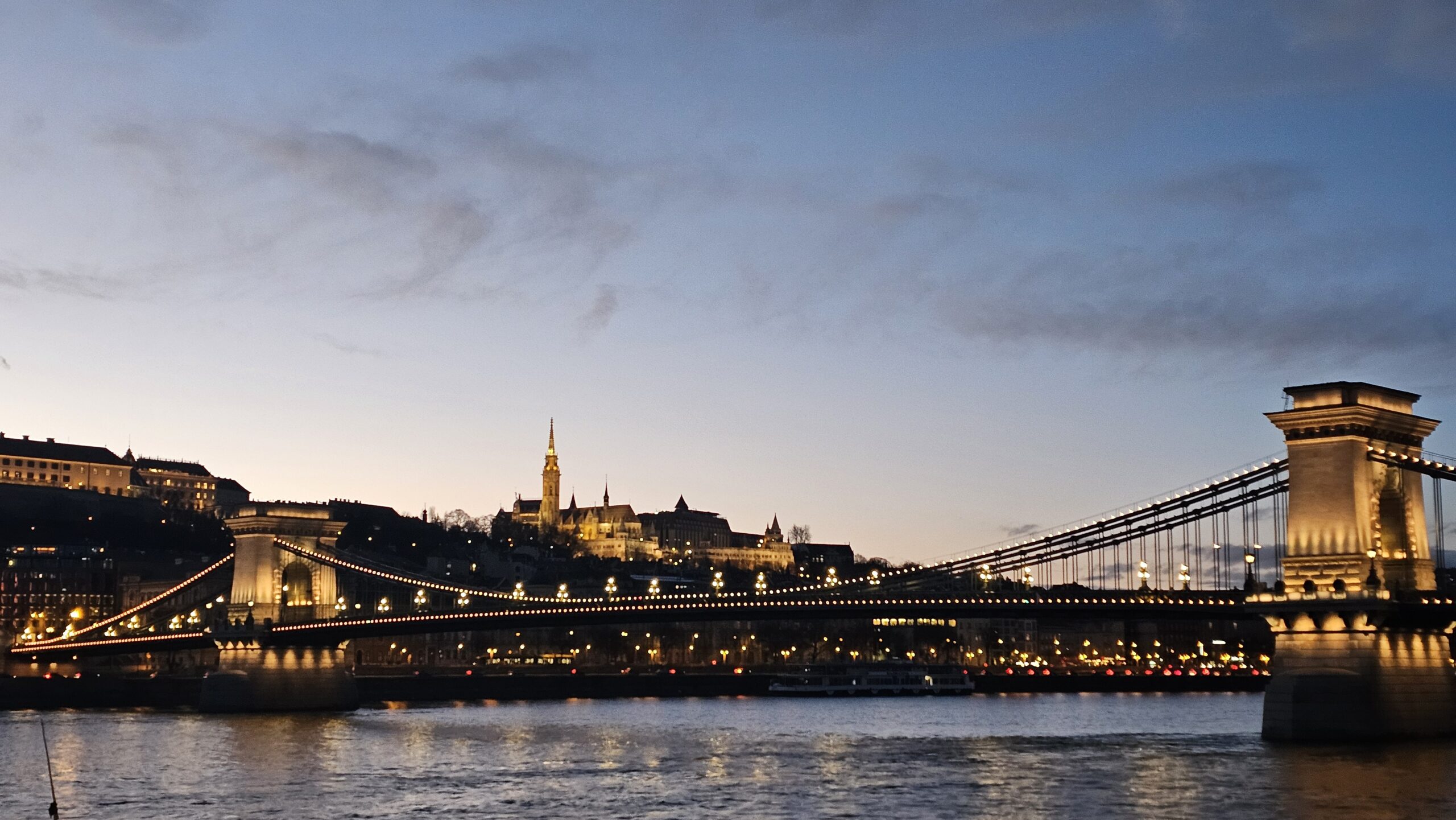
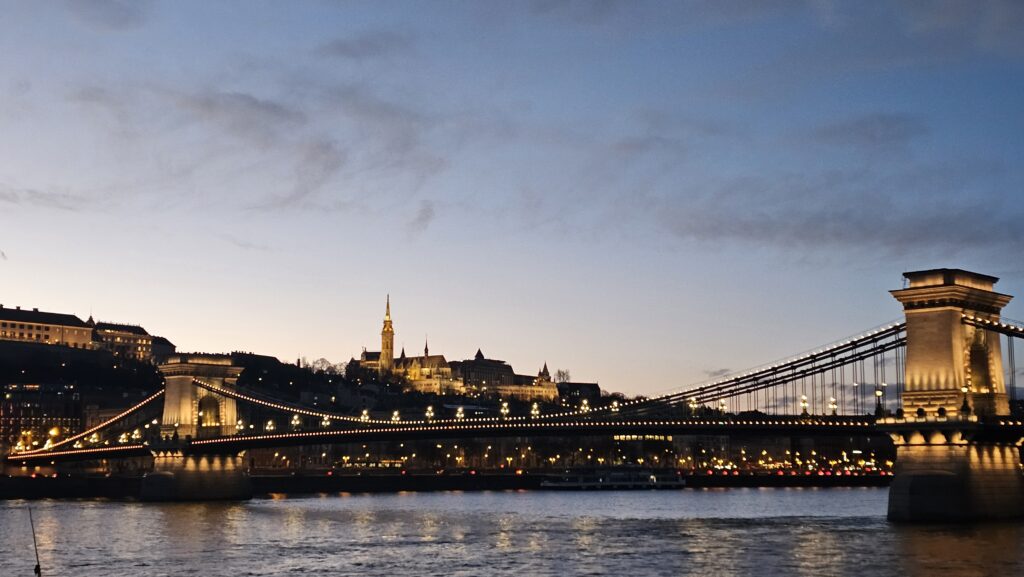
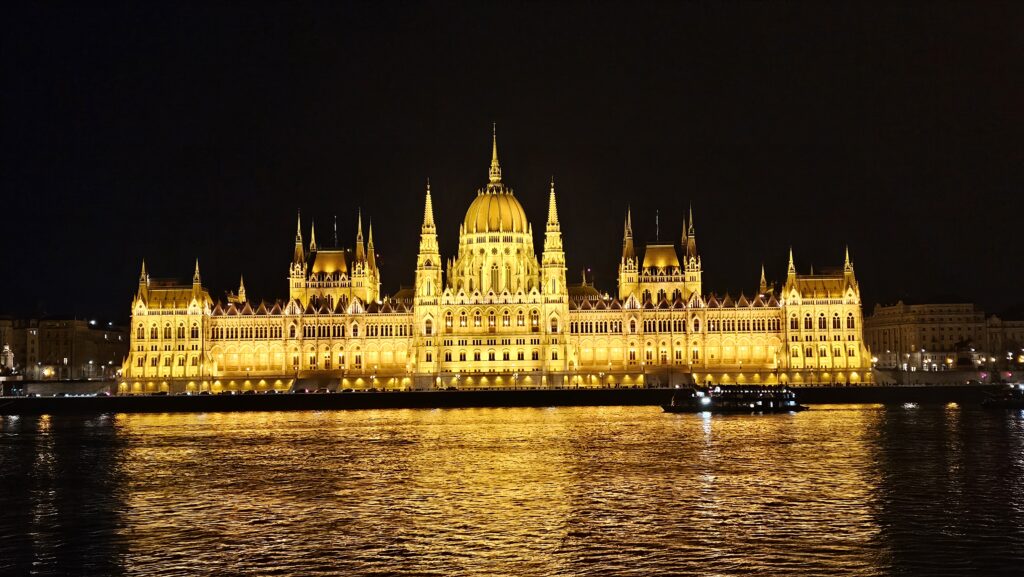
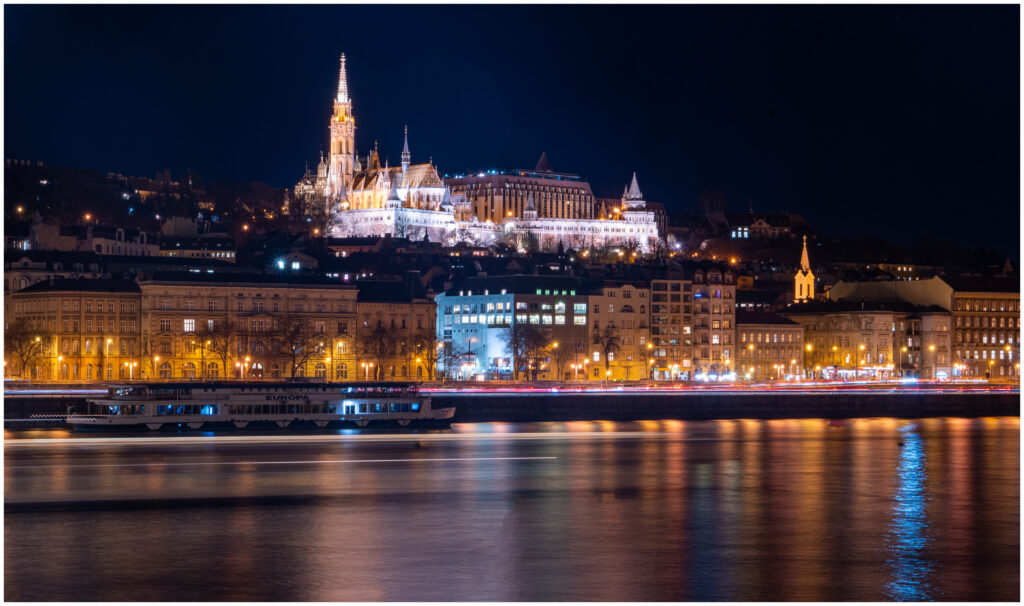
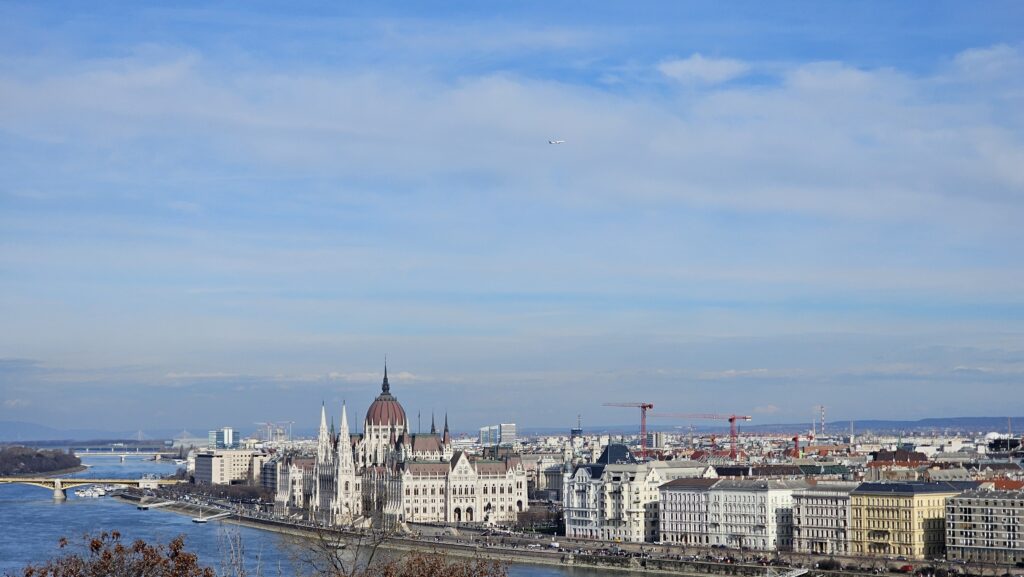
The atmosphere during the day is energetic but relaxed at the same time. Trams rattle across bridges, people sit outside cafés beside the Danube, and tourists wander around looking permanently impressed by the architecture. Then at night, the entire city transforms. Budapest after dark might genuinely be one of the most beautiful cities I have ever seen. The Parliament Building lights up beside the river, the bridges glow across the Danube, and the castle district almost looks unreal.
One thing I noticed immediately is how much walking you naturally end up doing here. Budapest is one of those cities where you constantly say, “I’ll just walk a little further,” because every street seems to reveal another incredible building or viewpoint. I was averaging around 20,000 steps a day, and that included using public transport regularly. By day three my knee was absolutely killing me, but honestly it was worth every painful step.
I expected Budapest to still be impressive after my first visit years ago, but I did not expect to enjoy it even more this time. The city feels alive without feeling chaotic. It feels historic without becoming boring. It feels affordable without sacrificing quality. That balance is difficult to find in Europe now.
And when the sun goes down and the lights come on across the city, Budapest becomes something special entirely.
Budapest Travel Guide: Arriving and First Impressions
Arriving into Budapest was straightforward from the start. The airport felt busy but organised, and compared to some larger European capitals, it was refreshingly manageable. I had prepared most things in advance because I remembered from my previous trip how much easier Budapest becomes when you understand the transport system early.
One of the best decisions I made was getting the 72-hour public transport pass almost immediately. For around 15 euro, it gave unlimited access to the metro system, buses, and trams. Honestly, it felt like one of the best-value transport passes I have ever used in Europe. Considering how much ground you cover in Budapest, especially over four days, it quickly pays for itself.
The journey from the airport into the city already gives you a glimpse of Budapest’s personality. There is a mixture of modern buildings, faded apartment blocks, huge boulevards, and old architecture slowly appearing as you move closer to the centre. It does not try too hard to impress you immediately. Instead, the city slowly reveals itself over time.
My expectations were already high because of my previous visit, but I had forgotten how huge Budapest actually feels. Looking at maps beforehand does not fully prepare you for the scale of the place. Walking from one attraction to another can easily take far longer than expected because you constantly stop to look around or photograph something.
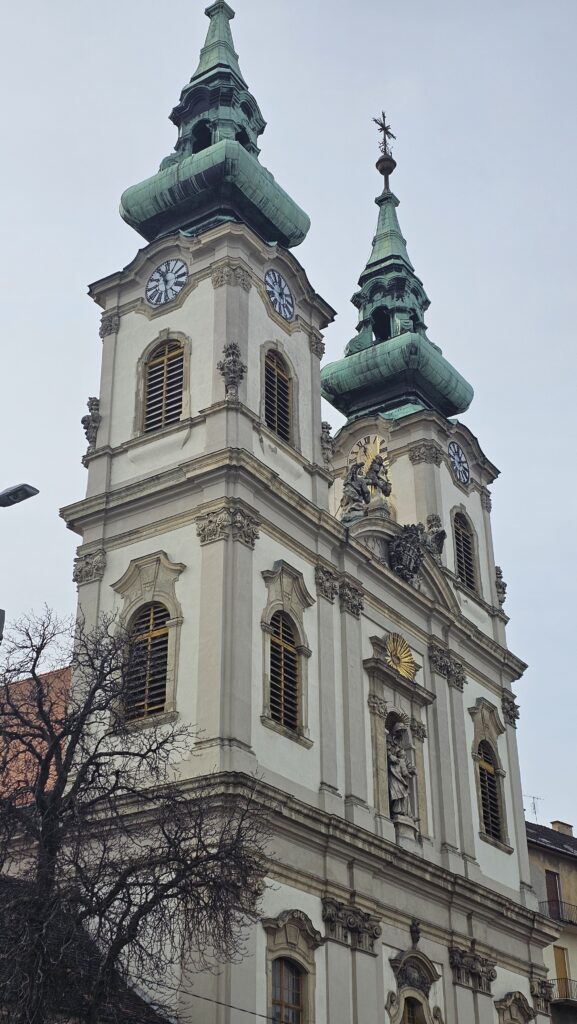
The local atmosphere felt welcoming without becoming overly tourist-focused. English is widely understood in the main tourist areas, especially restaurants, hotels, bars, and transport stations. I never really felt stressed navigating the city. Even when transport stations looked complicated at first, everything generally worked smoothly.
Preparation wise, comfortable shoes are absolutely essential here. I cannot stress that enough. Budapest is a walking city. Even if you use trams and metros constantly, you still end up doing massive distances every day because the attractions are spread across both Buda and Pest sides of the city.
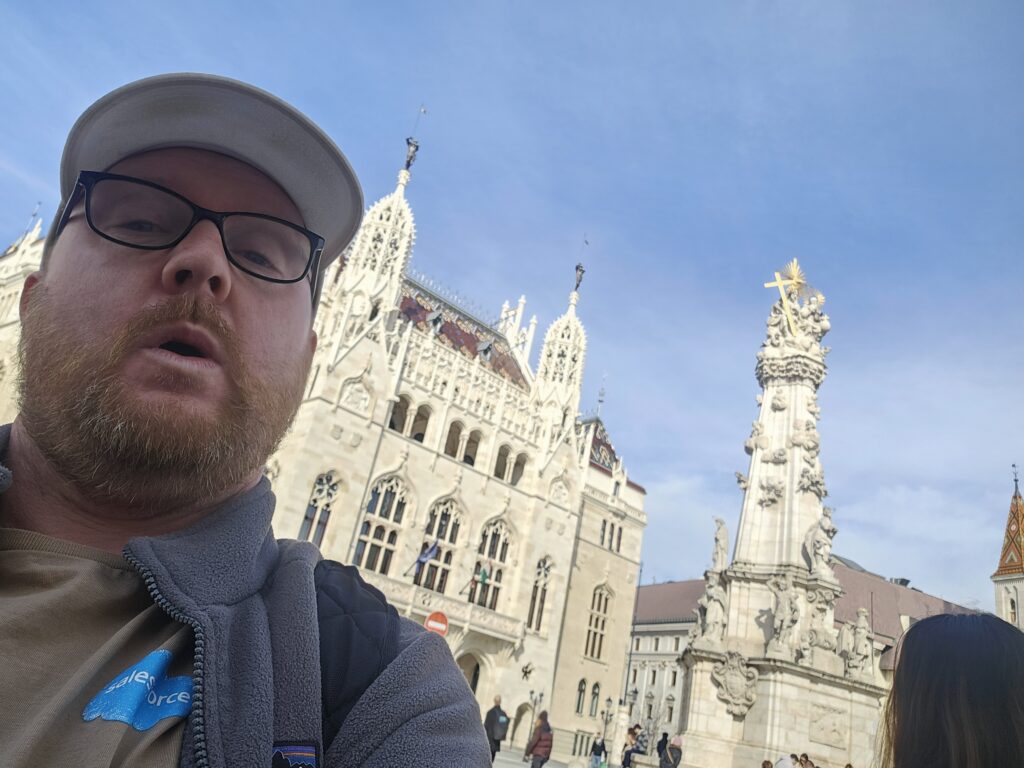
I also recommend planning certain attractions in advance, especially thermal baths. Budapest is famous for them, and they can become very crowded depending on the day and time. Still, they are absolutely worth experiencing because they are part of what makes the city unique.
The first evening back in Budapest reminded me instantly why I returned. Walking along the Danube as darkness arrived and seeing the Parliament Building glowing beside the river was one of those travel moments that genuinely sticks with you.
Main Experience Exploring Budapest
The real magic of Budapest is simply wandering around the city and letting it unfold naturally. Some destinations are built around one or two major attractions. Budapest feels more like an endless collection of impressive moments connected together by beautiful streets, bridges, cafés, river views, and historic buildings.
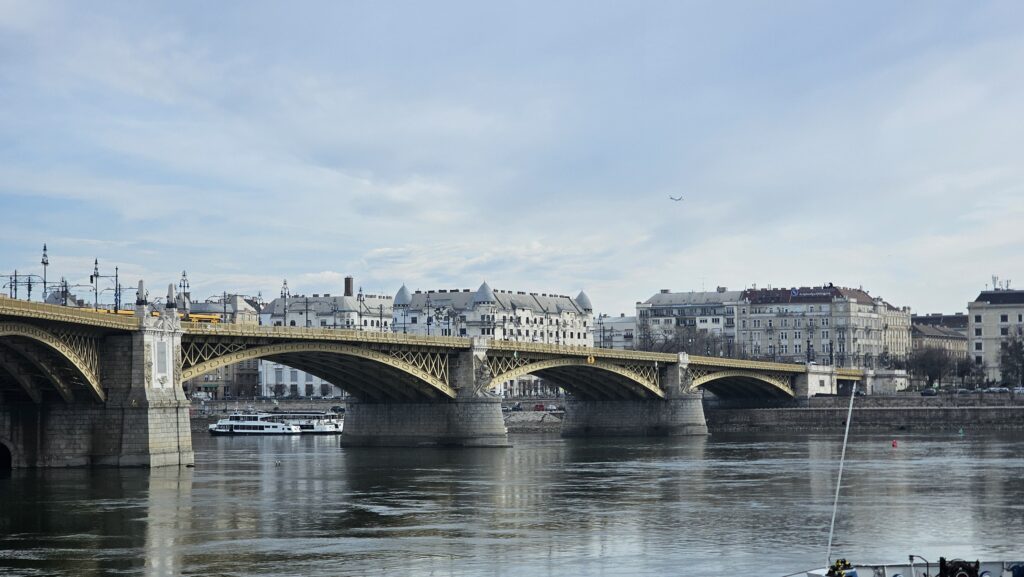
The public transport system makes exploring extremely easy. The trams running beside the Danube are especially useful and honestly become part of the experience themselves. Sitting on a tram while passing illuminated bridges and massive riverside buildings almost feels like a sightseeing tour.
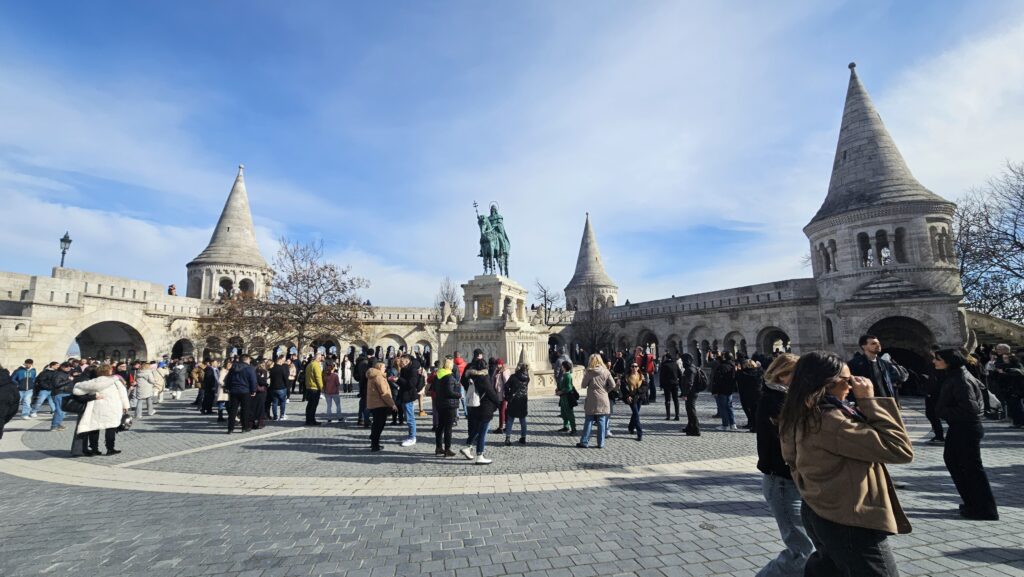
Still, walking was my favourite way to experience Budapest. The city rewards people who explore slowly. Every time I thought I had seen the best building of the day, another one appeared around the corner. Sometimes I found myself stopping every few minutes just to take photographs.
The Parliament Building remains one of the most impressive structures I have seen anywhere in Europe. During the daytime it already looks magnificent beside the Danube, but at night it becomes extraordinary. The reflection on the water, the golden lighting, and the sheer scale of the building create one of the best photography spots in Budapest.
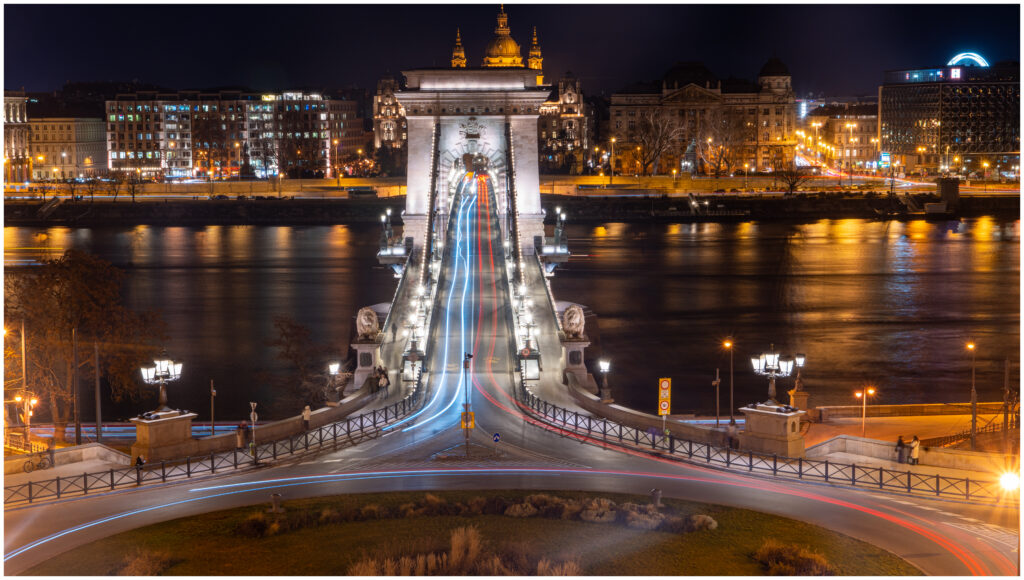
Crossing the Széchenyi Chain Bridge again was another highlight. Bridges in many cities are simply practical structures, but in Budapest they feel iconic. Walking across while boats move beneath you and the castle district rises ahead creates one of those classic European travel moments people imagine before visiting.
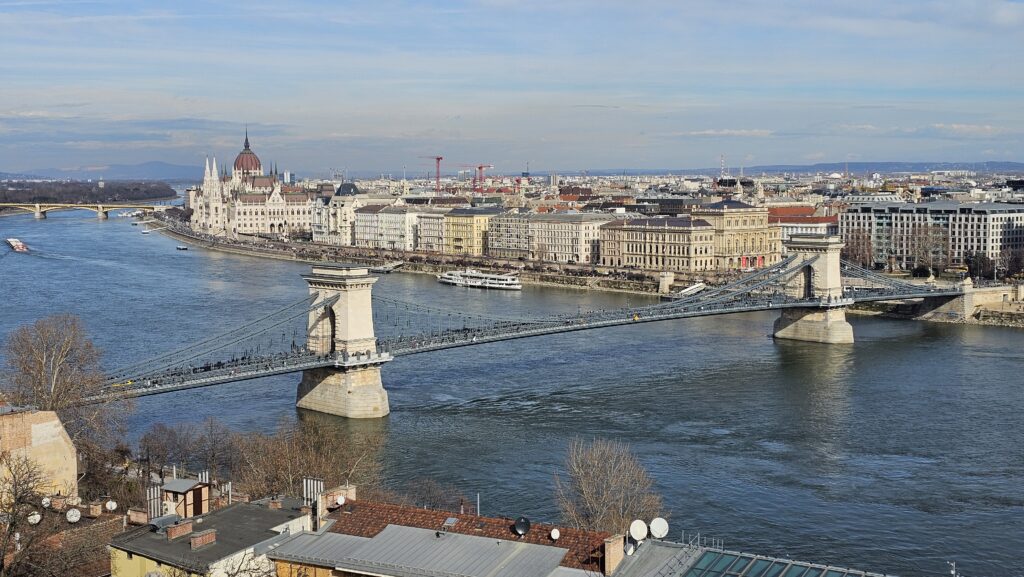
Buda Castle itself was another standout experience. The area has this slightly fairytale atmosphere, especially during the evening. The streets become quieter compared to the busier Pest side, and the views overlooking the Danube are incredible. The train connections around the area also reminded me how central Budapest is for travelling through Europe. You genuinely feel connected to the rest of the continent here.
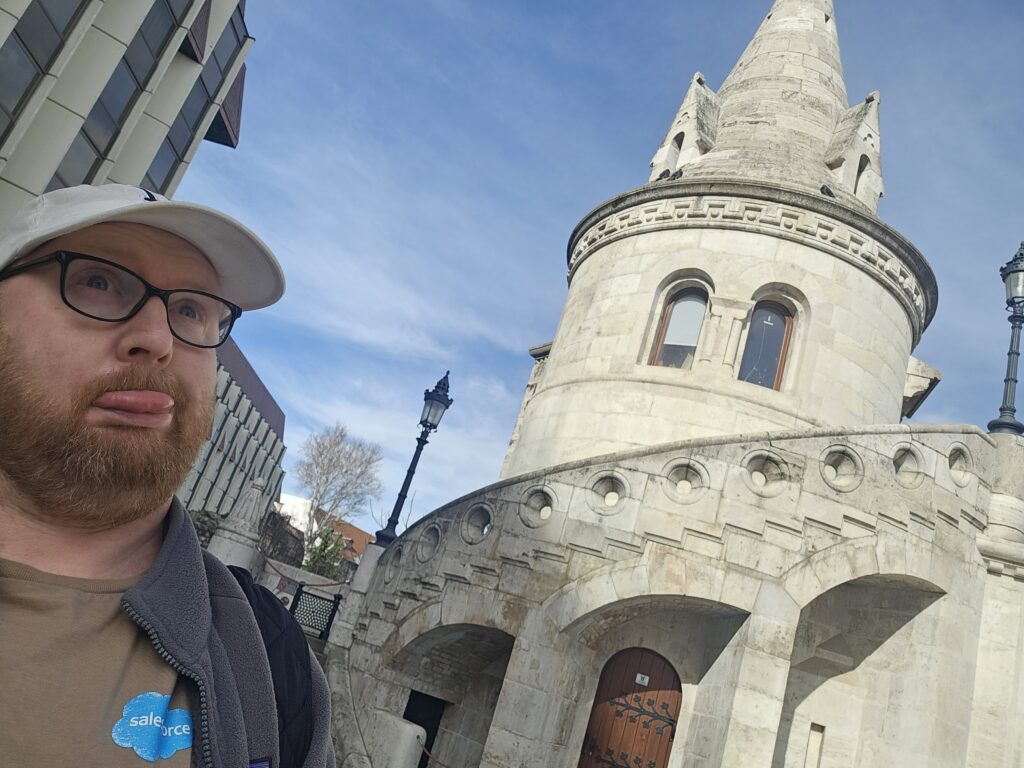
Fisherman’s Bastion almost looks unreal in person. It genuinely resembles something from a fantasy film set rather than an actual historic structure. Unsurprisingly, it was packed with people taking photographs, especially for Instagram, but the views over the city justify the crowds. Early morning or later evening would probably be the best times to avoid the busiest periods.
One of my favourite escapes from the busy city centre was Margaret Island. After spending days surrounded by traffic, crowds, and constant movement, the island felt peaceful and refreshing. It is the kind of place where locals jog, relax, cycle, and slow down for a while. I really enjoyed walking around there because it gave a completely different side to Budapest.
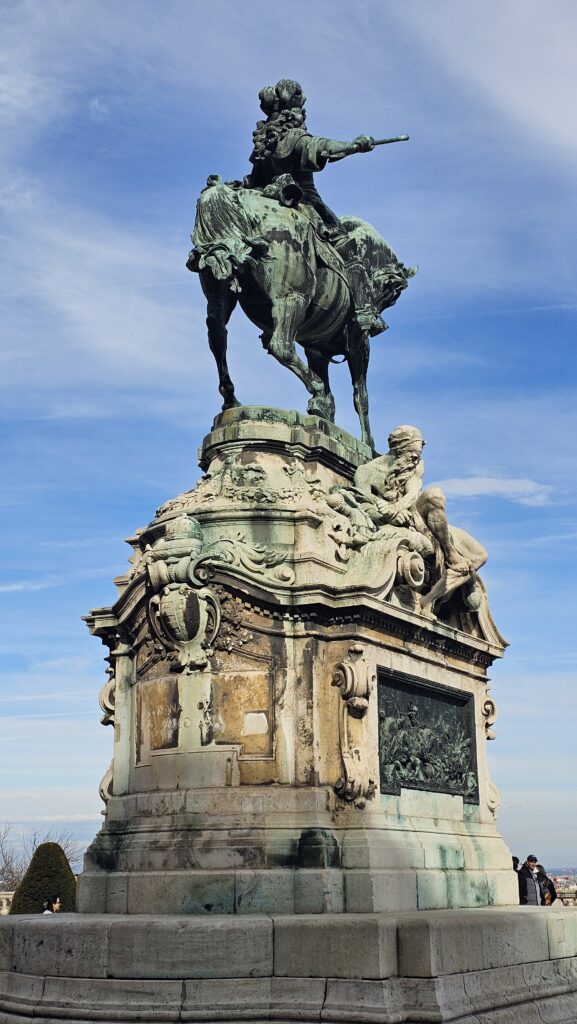
The thermal baths remain one of the most unique experiences in the city. Sitting in naturally heated water coming from deep within the earth while surrounded by beautiful old architecture feels surreal at first. Széchenyi Baths especially have this grand historic atmosphere that makes the experience feel far more memorable than simply visiting a normal spa.
Food in Budapest was another major highlight. The city has everything from high-end restaurants to affordable food markets and casual local spots. One place that really stood out for me was The Hunger Budapest. If you love burgers, this place is savage in the best possible way. After long days walking around the city, sitting down to a massive burger there genuinely hit the spot.
Kravan was another place I enjoyed because it offered so much variety. The atmosphere felt lively and relaxed, with different food stalls serving all kinds of meals depending on your mood. It worked perfectly when travelling with people who all wanted different things to eat.

I also made sure to get proper Hungarian goulash again while visiting. It is one of those dishes that simply feels right in Budapest, especially after hours walking around in cooler weather. Rich, warming, and filling without feeling overly heavy.
Nightlife in Budapest deserves its reputation too. The city has everything from elegant cocktail bars and jazz clubs to low-end pubs full of personality. What I liked most was the variety. You can spend one evening somewhere stylish beside the river, then another night sitting in a laid-back pub with live music and cheap drinks.
By day three my knee genuinely started giving up on me. At 43 years old, walking 20,000 steps daily catches up eventually. So instead of pushing through more sightseeing, I ended up spending an evening sitting in Murphy’s Irish Pub Budapest watching the match with whiskey and Guinness. Honestly, it turned into one of the more relaxing and enjoyable nights of the trip. Sometimes slowing down becomes part of the experience too.
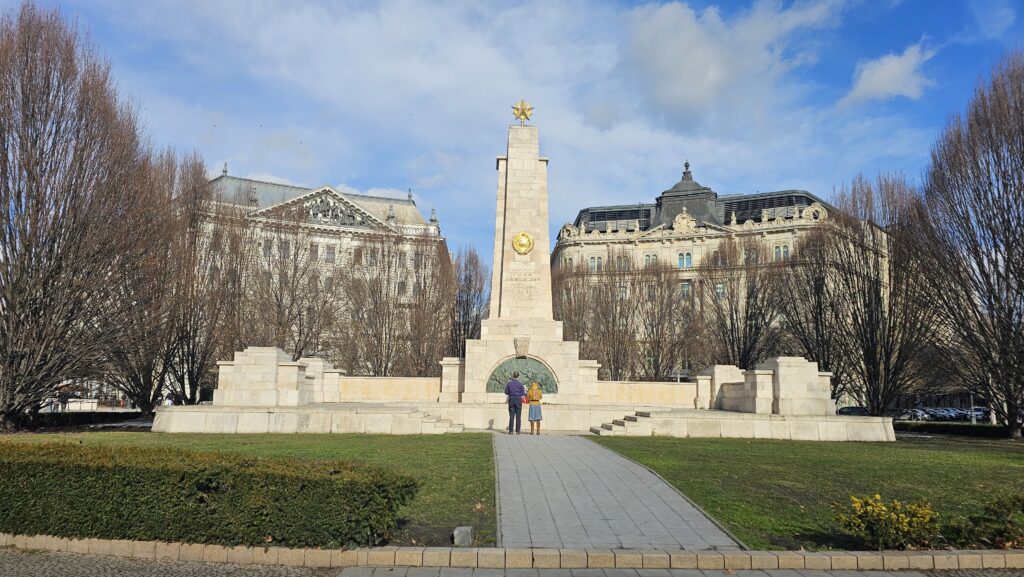
The Guinness there was surprisingly decent, and the atmosphere felt welcoming without becoming overly touristy. It was one of those places where you could comfortably sit for hours after exhausting days exploring the city.
Photography opportunities in Budapest are endless. Every bridge, tram line, riverbank, castle wall, and rooftop seems designed for photos. Sunrise and sunset are especially rewarding because the golden light transforms the city completely. Night photography is where Budapest becomes exceptional though. The lighting across the Danube creates some of the best urban night scenery anywhere in Europe.
What stood out most overall was how balanced Budapest feels. Some cities excel at nightlife but lack culture. Others have beautiful architecture but become boring after dark. Budapest somehow combines everything together naturally. History, nightlife, thermal baths, food, transport, scenery, and affordability all work together here.
Even after four full days, I still had a long list of places I wanted to visit next time. That rarely happens anymore when I travel.
Budapest Travel Guide Hotels and Accommodation
Budapest has accommodation for every type of traveller, and location really changes your experience depending on what atmosphere you want.
For luxury hotels, the Four Seasons Hotel Gresham Palace Budapest is probably the most iconic option in the city. The location beside the Chain Bridge is unbelievable, and the building itself feels like part of Budapest’s architecture rather than simply a hotel. It suits travellers wanting classic luxury with incredible river views.
The Matild Palace also impressed me from what I saw around the city. It combines historic elegance with modern comfort, and the central location makes walking around Budapest extremely convenient. Another excellent luxury choice is the Aria Hotel Budapest, especially for couples wanting something more stylish and intimate near St. Stephen’s Basilica.
For mid-range hotels, I thought Hotel Moments Budapest looked ideally positioned for exploring on foot. The area around it felt lively without becoming noisy. Continental Hotel Budapest is another strong option with a slightly more relaxed atmosphere while still being close enough to major attractions. Eurostars Danube Budapest also offers excellent convenience if you want easy transport connections and central access without luxury prices.
Budget travellers have plenty of decent choices too. Maverick City Lodge consistently seemed busy with younger travellers and backpackers looking for social accommodation. The Hive Party Hostel suits people wanting nightlife and energy right outside the door. Flow Spaces Budapest appeared calmer and more comfortable for travellers wanting affordable accommodation without the heavy party atmosphere.
What I liked about Budapest accommodation overall is that you can stay relatively central without spending ridiculous amounts compared to many Western European capitals. That makes a huge difference because being able to walk around the city easily improves the entire experience.
If I returned again, I would probably stay somewhere near the Danube or close to the Jewish Quarter because those areas felt most connected to the energy of the city.
Best Experiences in This Budapest Travel Guide
The standout moment of the entire trip was probably seeing Budapest fully illuminated at night from the Buda side overlooking the Danube. The Parliament Building glowing beside the river while the bridges stretched across the city honestly looked almost cinematic.
Fisherman’s Bastion was another unforgettable location despite the crowds. The architecture there genuinely feels magical, especially during sunset when the light hits the towers and rooftops across the city.
Margaret Island ended up becoming one of my favourite quieter experiences because it offered a complete break from the busy streets. After days surrounded by traffic and tourists, sitting near the greenery there felt refreshing.
The thermal baths deserve their reputation too. Budapest would still be impressive without them, but they add something unique to the city. Relaxing in naturally heated water while surrounded by grand architecture becomes one of those experiences you remember long after returning home.
Even ordinary moments stood out in Budapest. Riding old trams beside the river at night, stopping for random pastries during long walks, hearing jazz music drifting from bars, and crossing bridges while the city lights reflected on the Danube all created memories that felt genuinely special.
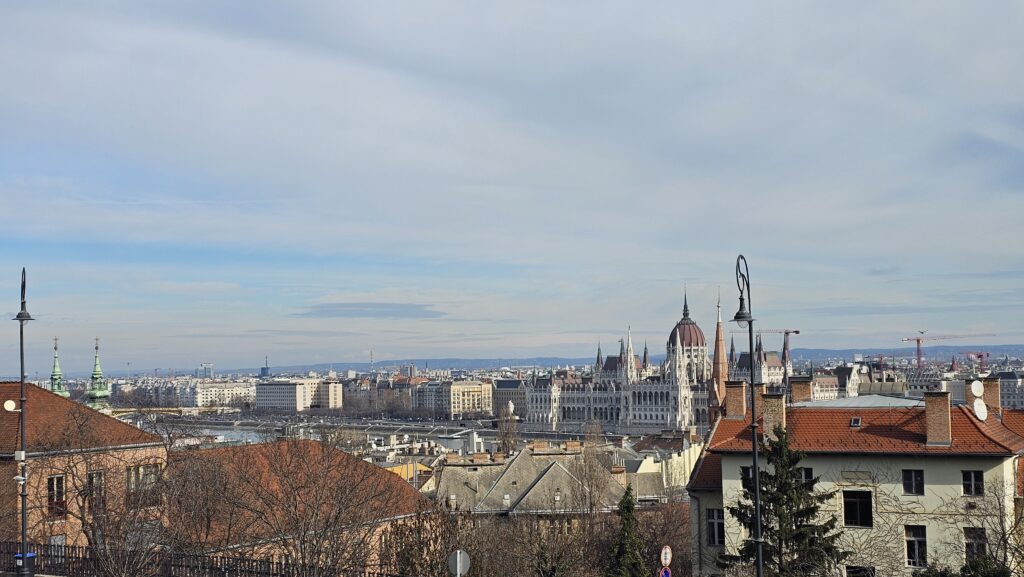
One thing I really appreciated was how photogenic the city remains without feeling artificial. Some destinations seem designed purely for social media now. Budapest still feels authentic underneath the beauty.
Honest Budapest Travel Guide Review
Honestly, Budapest is one of the easiest cities in Europe for me to recommend.
The positives massively outweigh the negatives. The architecture is stunning, public transport is affordable and efficient, food options are excellent, nightlife has huge variety, and the city still feels reasonably priced compared to many other European capitals.
The 72-hour transport pass was incredible value and made exploring stress-free. Being able to jump on metros, trams, and buses without thinking about individual tickets saved both money and energy.
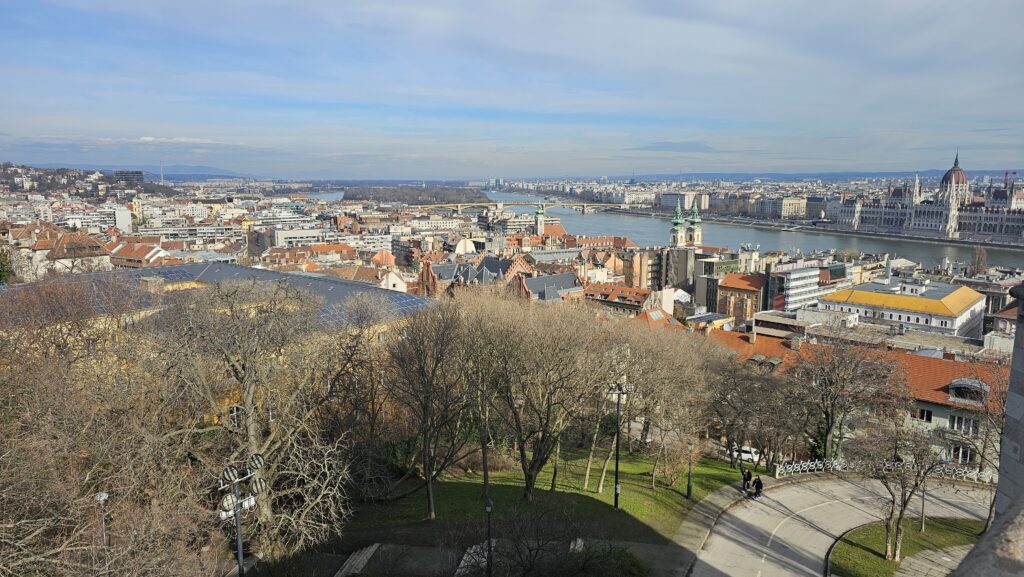
Walking around Budapest constantly felt rewarding because there was always something interesting nearby. Few cities maintain that level of visual interest for days at a time.
That said, there are some downsides. The crowds around major tourist areas can become intense, especially near Fisherman’s Bastion and the Parliament area during peak hours. Long walking distances also genuinely become tiring after multiple days.
Some areas still feel slightly rough around the edges too, although personally I think that adds character rather than taking away from the experience.
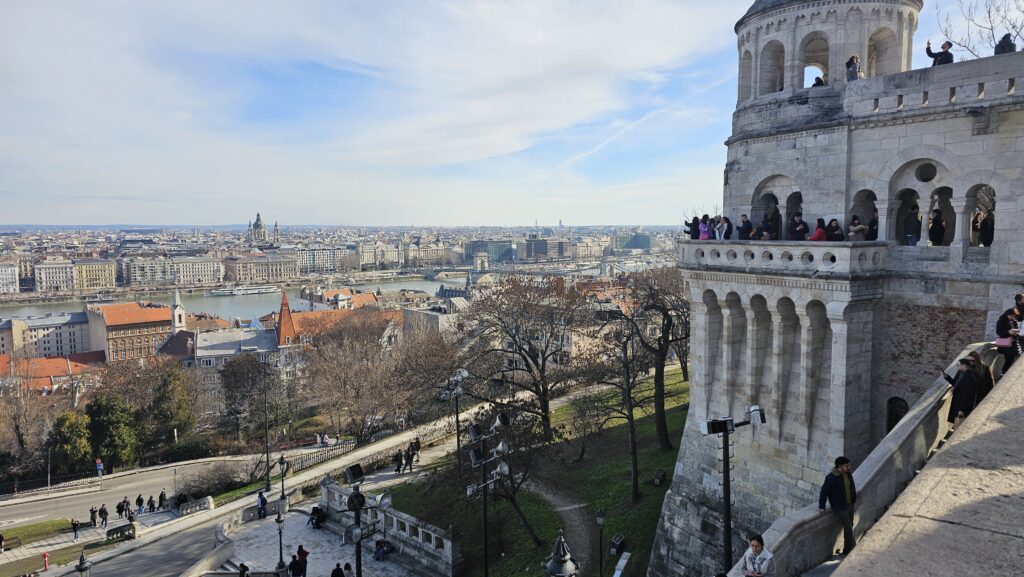
Pricing overall remains fair, but some highly touristy restaurants near major attractions definitely charge inflated prices compared to local spots slightly further away.
Sleep quality depends heavily on location. Certain nightlife areas stay loud very late into the night, especially around ruin bars and party districts. Choosing accommodation carefully matters if you want quieter evenings.
If I did the trip differently next time, I would probably schedule more downtime between sightseeing because Budapest naturally encourages nonstop walking. My knee definitely reminded me I am not 25 anymore.
I also would spend longer exploring local neighbourhoods outside the main tourist routes because some of my favourite moments came from simply wandering rather than following plans.
Budapest suits almost every type of traveller. Couples will love the romantic evening scenery. Solo travellers will appreciate how walkable and safe the city feels. Food lovers will have endless options. History fans could spend weeks exploring museums and architecture. Nightlife travellers will never run out of bars or music venues.
Very few cities manage to balance all of those things this well.
Budapest Travel Guide FAQ
What is the best time to visit Budapest?
Spring and autumn are probably the best times overall because temperatures are comfortable for walking while avoiding some of the extreme summer crowds. Summer brings great nightlife and outdoor energy but can become very busy. Winter also has charm because the city lights and thermal baths feel even more atmospheric in cold weather.
Is Budapest expensive for tourists?
Compared to many major European capitals, Budapest still feels relatively affordable. Accommodation, transport, and food generally offer good value, especially outside the most tourist-heavy areas. The public transport pass alone was one of the best-value city transport systems I have used.
Is Budapest easy to explore without a car?
Absolutely. I would not recommend driving in Budapest at all for most visitors. The metro, tram, and bus systems are excellent, and walking is honestly the best way to experience the city anyway.
Is Budapest safe for solo travellers?
I found Budapest felt safe overall, including during evenings around busy tourist areas. Like any major city, you still need normal awareness regarding belongings and crowded transport, but generally the atmosphere felt comfortable and welcoming.
How difficult is the walking in Budapest?
Expect to walk a lot. Even using public transport regularly, I still averaged around 20,000 steps daily. Comfortable footwear is essential because the city constantly encourages exploration.
What area is best to stay in Budapest?
Staying near the Danube, the Jewish Quarter, or central Pest areas gives the best access to attractions, nightlife, restaurants, and transport. Those areas felt most convenient during my trip.
Are the thermal baths worth visiting?
Definitely. They are one of the most unique experiences in Budapest and add something genuinely different to the city break experience. Széchenyi Baths especially combine relaxation with beautiful surroundings.
Is Budapest good for photography?
Budapest is one of the best photography cities in Europe. The architecture, river views, bridges, castles, and nighttime lighting create endless photo opportunities. Night photography around the Danube is especially incredible.
What kind of weather should visitors expect?
Weather changes significantly by season. Summers can become very hot during long walking days, while winters can be cold and atmospheric. Spring and autumn generally provide the most comfortable sightseeing conditions.
Is Budapest suitable for older travellers?
Yes, although the amount of walking can become tiring. Public transport helps enormously though, and there are plenty of opportunities to slow down, relax at cafés, thermal baths, or scenic viewpoints between sightseeing.
Final Thoughts on Budapest
Budapest genuinely deserves its reputation as one of Europe’s great cities. It combines beauty, energy, history, nightlife, food, and affordability in a way very few places still manage.
What stayed with me most after returning home was the atmosphere at night. Walking along the Danube while the Parliament Building, bridges, and castle district glowed across the water felt unforgettable every single evening.
It is the type of city where you can spend entire days simply wandering without getting bored. Every tram ride, bridge crossing, riverside walk, and hidden side street seems to offer another memorable moment.
Even after four days of nonstop exploring, sore knees, countless photographs, thermal baths, burgers, pubs, and endless walking, I still left Budapest wanting more.
For me, that is usually the sign of a truly great city.



Leave a Reply