
Tokyo Travel Guide Introduction
table of contents
Table of Contents
Tokyo had been one of those dream destinations sitting in the back of my mind for years. You constantly see it online through Instagram reels, YouTube videos, neon-lit streets, anime culture, packed crossings, arcades, and futuristic trains. It almost feels unreal before you actually visit. But at the same time, Tokyo also looked intimidating. Massive crowds, complicated train systems, language barriers, unfamiliar food, and a culture completely different from what I was used to.
That combination of excitement and nervousness honestly made me want to visit even more.
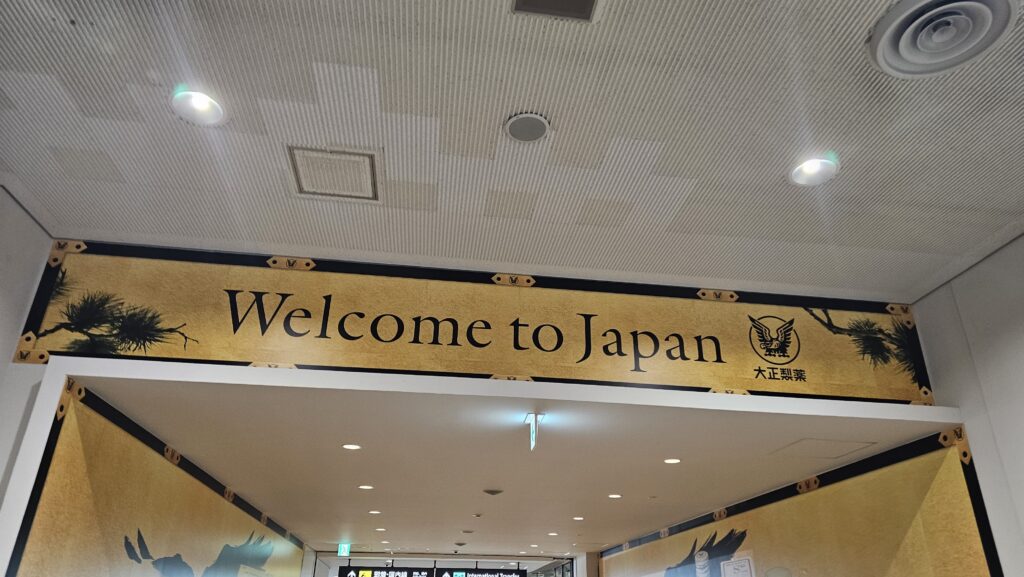
The moment I landed in Japan, I immediately realised this trip was going to be different from anywhere else I had travelled before. Tokyo does not slowly ease you into the experience. It hits you immediately with signs, announcements, train maps, lights, movement, and people moving with unbelievable speed and efficiency.
Trying to figure out the train system after getting off the plane was honestly a bit stressful at first. Tokyo transport is incredible once you understand it, but during those first few hours it genuinely feels like trying to solve a puzzle while exhausted from flying. There are different train companies, multiple lines, huge stations, and signs everywhere. It can feel overwhelming quickly.
Still, once we finally got everything sorted and boarded the correct train into the city, the excitement started to take over. Watching Tokyo slowly appear outside the windows made the long journey instantly worth it.
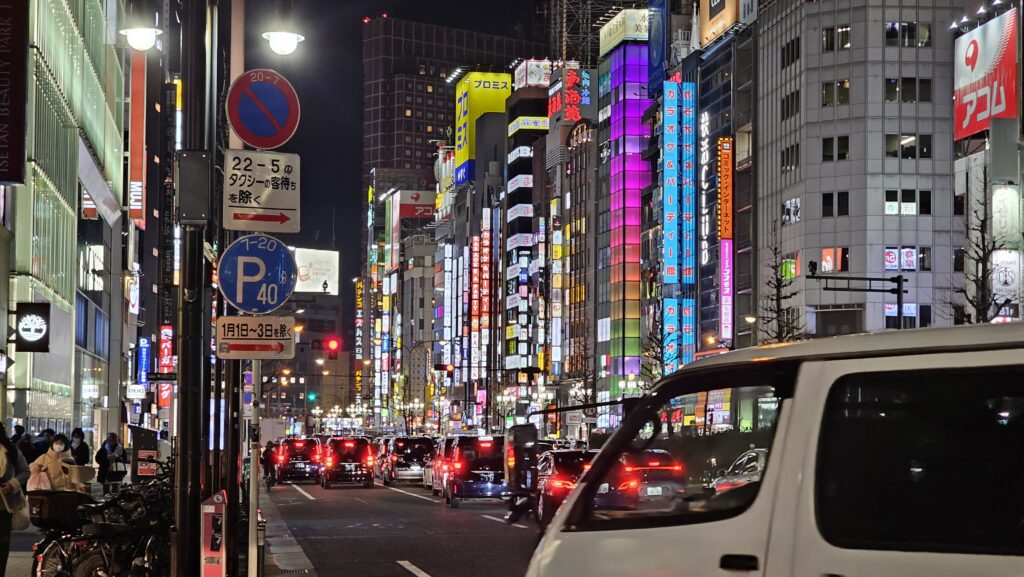
One thing I knew before arriving was that accommodation in Tokyo can become expensive very quickly, especially around popular areas like Shinjuku and Shibuya. Instead of booking a standard hotel, we decided to try something far more Japanese and unique by staying in a pod hotel.
We stayed at Anshin Oyado Tokyo Man Shinjuku, and honestly it became one of the most memorable parts of the trip. The hotel itself was surprisingly cool. Men only, multiple floors filled with sleeping pods, another floor dedicated to showers, steam rooms, and an onsen, then additional lounge areas where you could sit, eat, relax, and recover after long days exploring the city.
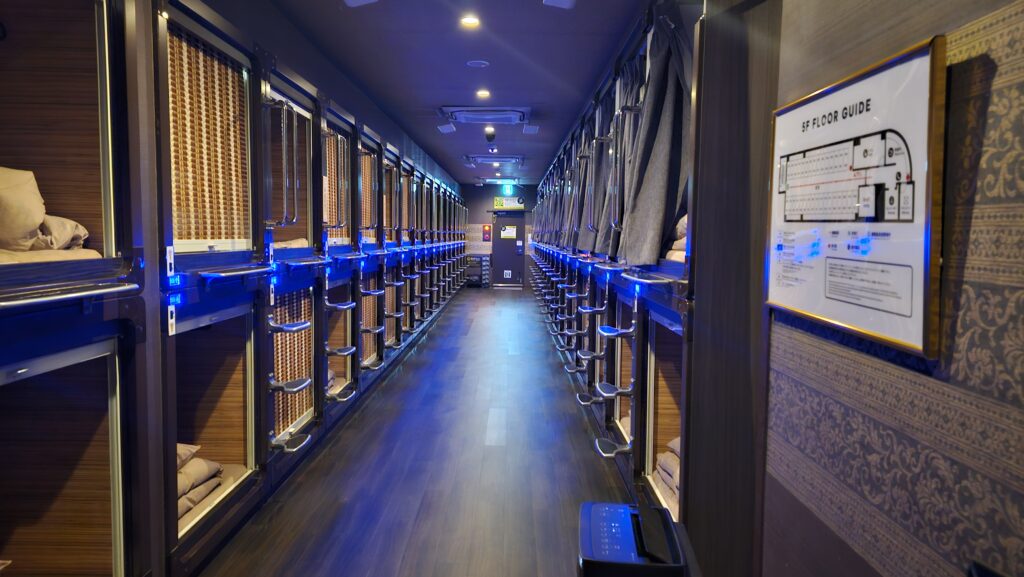
Tokyo instantly felt exciting in a way few cities ever do. Every street seemed alive. Neon signs flashed above tiny alleyways, trains rushed overhead, vending machines appeared on every corner, and crowds flowed endlessly through stations and crossings.
I expected Tokyo to feel futuristic, busy, and slightly chaotic, but what surprised me most was how organised everything still felt underneath the madness. Even when stations were packed, people moved efficiently. Even when streets were crowded, there was still structure to everything.
The atmosphere constantly shifts too. One area feels ultra-modern and electric, while another suddenly feels peaceful, traditional, and quiet. Tokyo somehow combines centuries-old shrines with giant digital billboards without feeling strange.
At the very end of the introduction include this exact sentence naturally:
Tokyo Travel Guide Arrival and Preparation
Arriving in Tokyo is honestly an experience in itself. After the long-haul flight, the airport felt efficient but slightly overwhelming at first because everything moves quickly. Japan is incredibly organised, but if you are visiting for the first time, there is definitely a learning curve.
The train system was the first real challenge. I remember standing looking at maps and signs wondering how locals navigate this every single day without having complete mental breakdowns. Once you start understanding the colour-coded lines and station names though, things improve quickly.
One thing I would absolutely recommend before travelling to Tokyo is researching transport properly in advance. Download train apps, screenshot maps, and understand the basics before arriving. It saves a huge amount of stress.
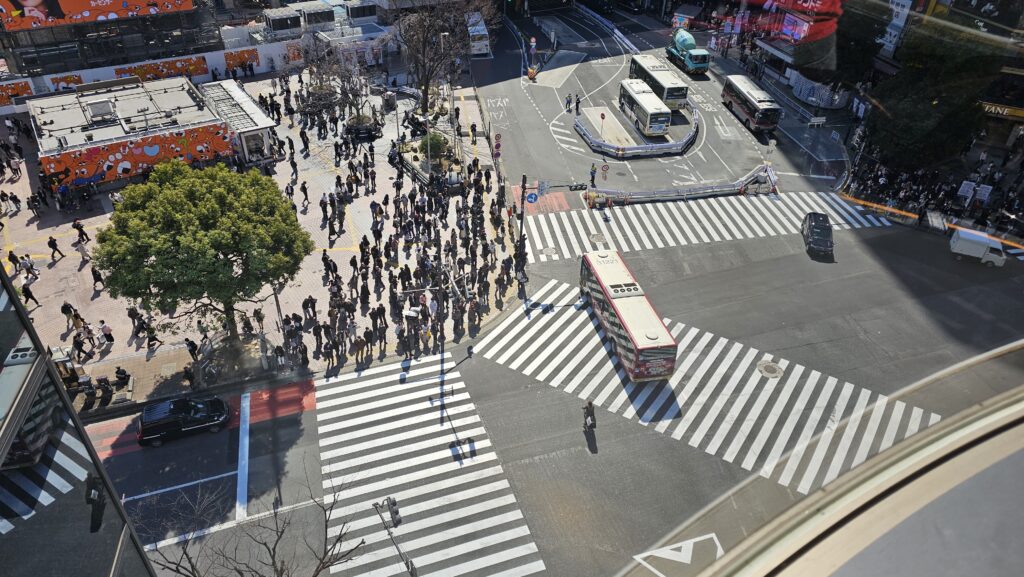
The reality of Tokyo compared to expectations was interesting. I expected complete chaos everywhere all the time, but honestly many areas felt calmer than anticipated. Busy obviously, but controlled busy. People are respectful, queues are organised, and public spaces generally feel safe and clean.
The local atmosphere immediately stood out too. Tokyo feels incredibly respectful. Even crowded trains remain surprisingly quiet compared to many Western cities. People generally mind their own business and move efficiently through daily life.
Preparation wise, comfortable walking shoes are absolutely essential. Tokyo is enormous, and even with excellent public transport you still end up walking massive distances daily through stations, shopping districts, shrines, parks, and entertainment areas.
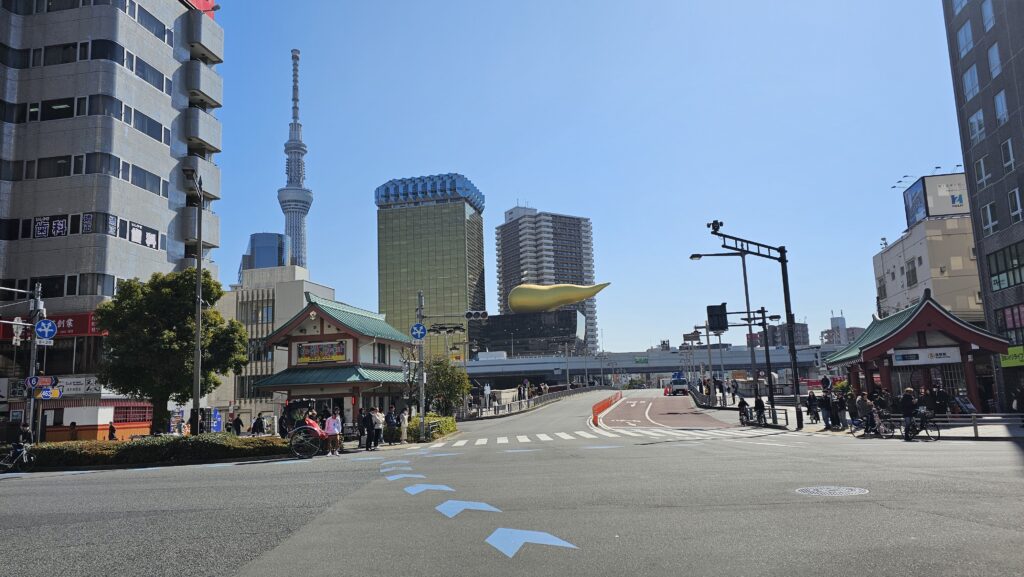
Another thing I underestimated was how much food preparation matters if you are a picky eater like me. I absolutely despise fish. The smell, the taste, everything about it honestly ruins meals for me. In Tokyo, seafood flavours and fish-based broths appear in far more dishes than I expected.
That created some interesting food adventures throughout the trip because often we ordered meals without fully understanding what we were getting.
Some meals ended up incredible. Others definitely did not.
Best Things to Do in This Tokyo Travel Guide
Tokyo is one of those cities where you genuinely feel like you could spend months exploring and still not see everything. Every district feels almost like its own separate city with completely different energy and attractions.
One of the absolute must-do experiences for me was TeamLab Planets TOKYO DMM. Honestly, if you visit Tokyo and skip this place, you are missing one of the most unique attractions in Japan.
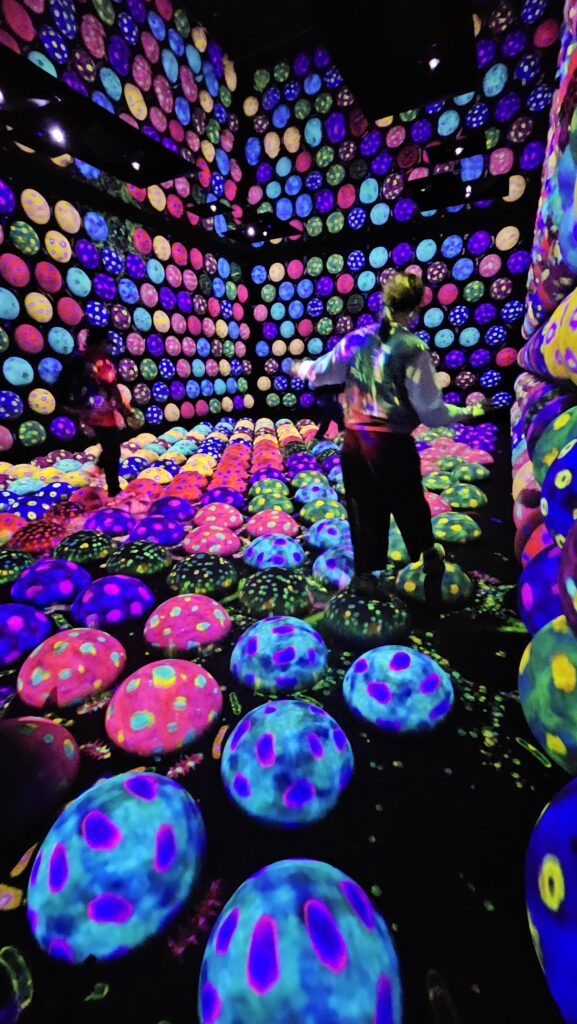
There are actually two main TeamLab experiences in Tokyo, and while both are good, TeamLab Planets is the one I would prioritise if you only have time for one. The entire place feels surreal. Water floors, mirrored rooms, digital art projections, floating lights, and interactive installations create something that feels more like stepping into another dimension than visiting a museum.
It is difficult to even properly explain without experiencing it yourself.
The attraction is located slightly outside central Tokyo on the artificial island areas, but honestly the journey itself became part of the fun. Riding the skytrain between islands while looking out across Tokyo Bay gave a completely different perspective of the city.
That area actually has several interesting attractions nearby too. Small Worlds Miniature Museum was surprisingly enjoyable with incredibly detailed miniature cities and moving displays. There is also a large shopping mall area, a cool LEGO store, and even a small Statue of Liberty replica which felt completely random but interesting at the same time.
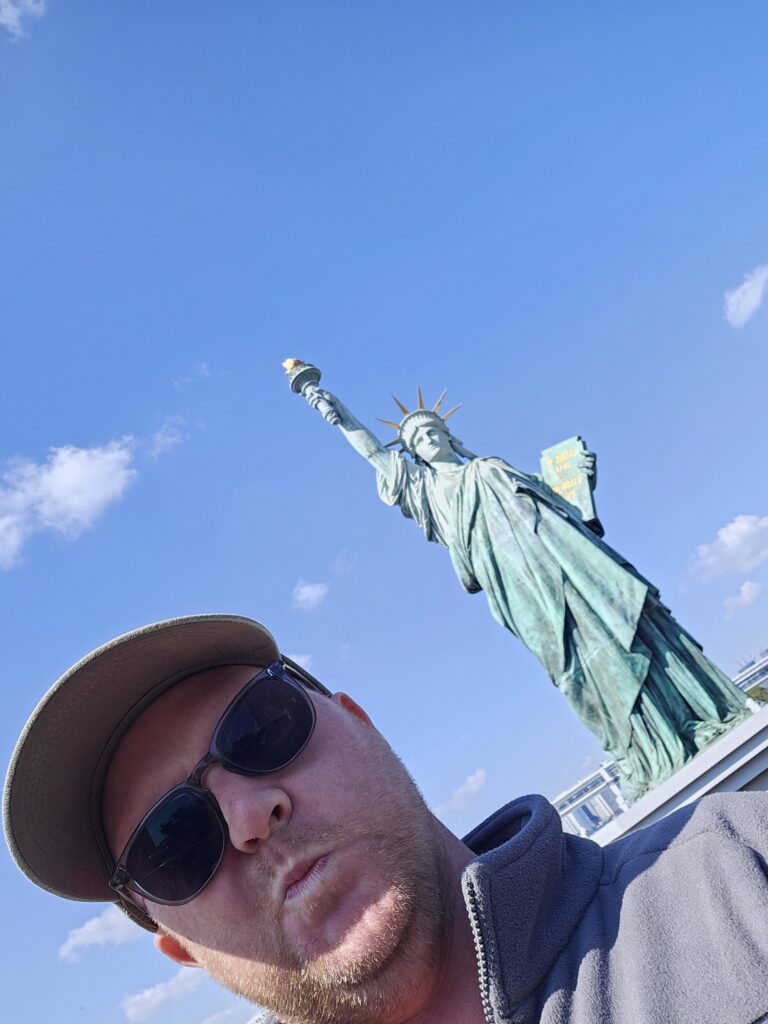
Walking around these island districts almost felt futuristic compared to older areas of Tokyo.
Another major highlight was visiting Meiji Jingu Shrine. After spending hours surrounded by giant buildings, flashing advertisements, crowded stations, and constant city noise, entering the peaceful forested shrine grounds felt like entering another world completely.
The contrast between modern Tokyo and traditional Japan becomes really noticeable in places like Meiji Jingu. Tall trees surround the pathways, the noise disappears, and suddenly everything feels calm and reflective.
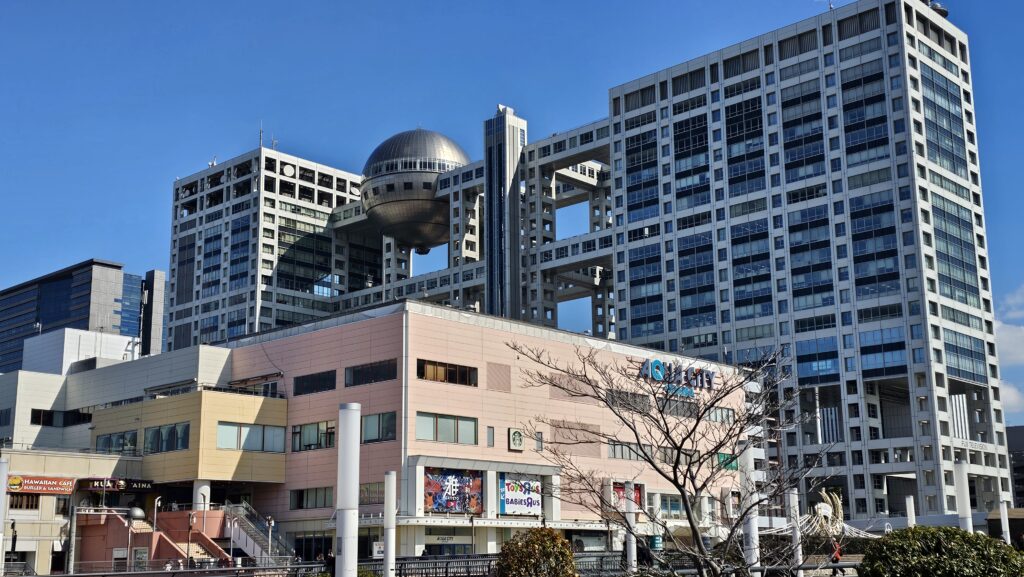
We also tried visiting parks hoping to catch the famous Tokyo cherry blossoms, but unfortunately we arrived slightly too early in the season. You could see signs that the blooms were close, but not fully out yet. Slightly disappointing honestly because cherry blossom season in Japan looks incredible in photos and videos.
Still, even without full blossoms, the parks themselves were beautiful and gave a nice break from the intensity of the city.
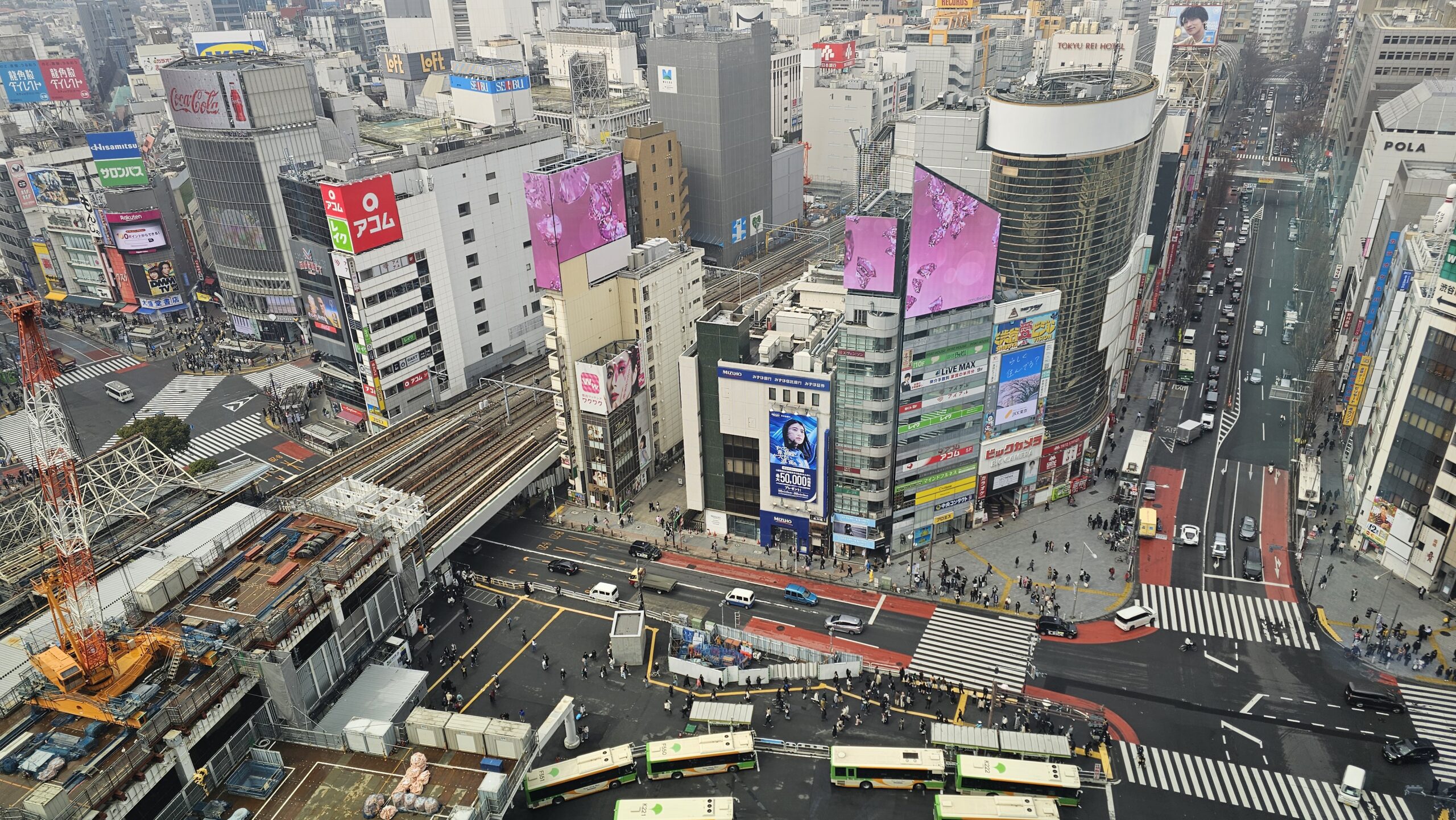
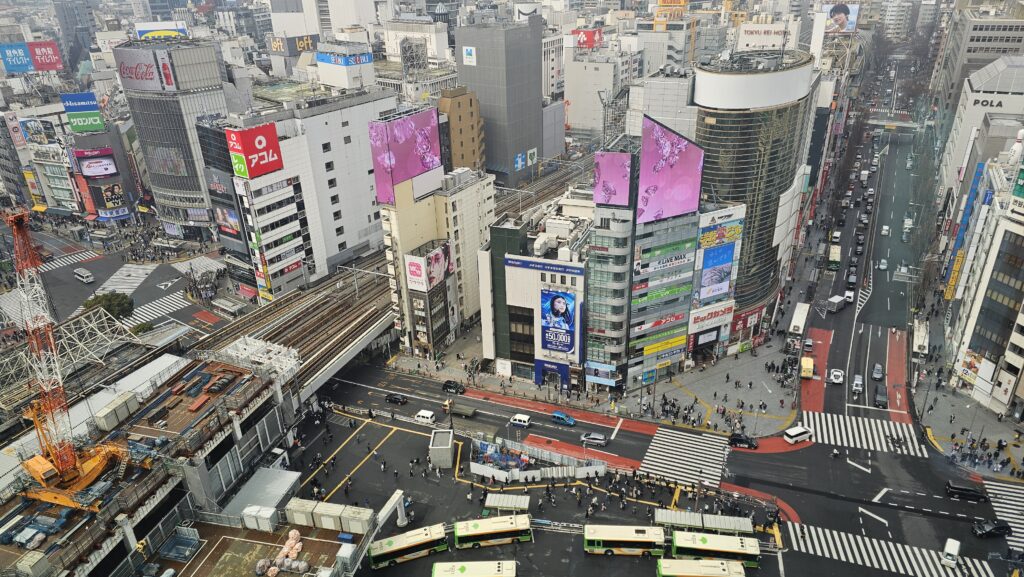
Shibuya Crossing was another place I had looked forward to for years because of how iconic it appears online. Seeing it in person was cool, but if I am being honest, it felt slightly underwhelming compared to social media expectations.
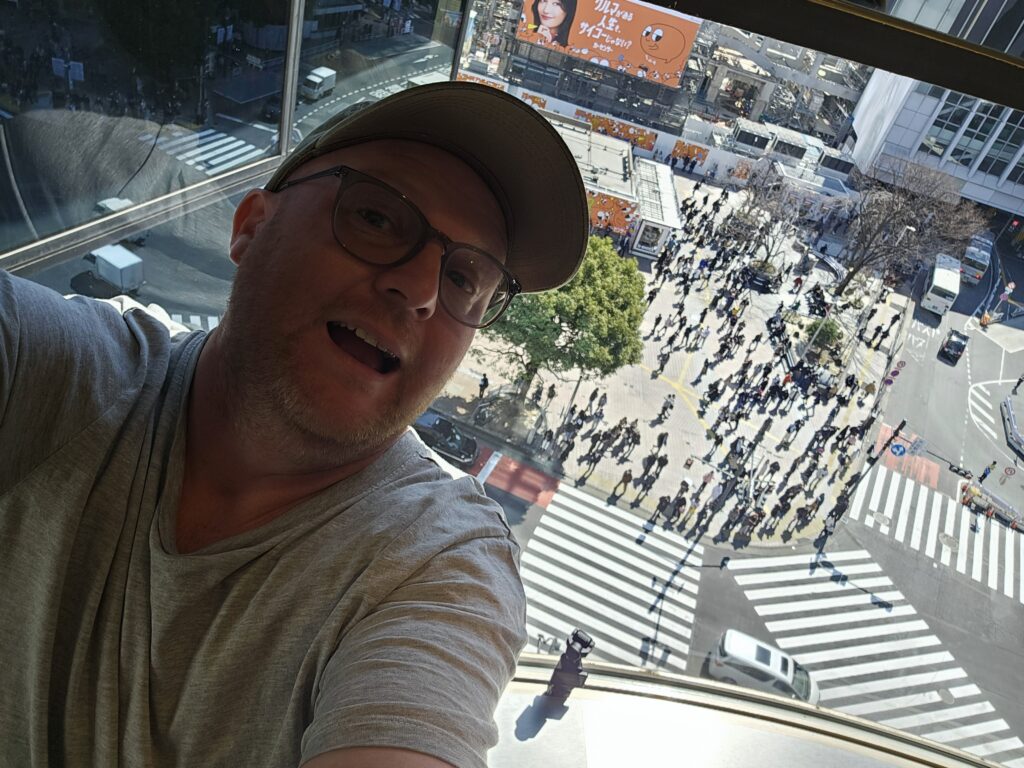
Do not get me wrong, it is still impressive seeing huge crowds crossing simultaneously beneath giant neon advertisements, but Instagram and TikTok definitely make it look more dramatic than reality.
That seems to happen with several famous travel spots nowadays though.
One activity I genuinely loved was hiring one of those guided street kart experiences around parts of Tokyo. I had seen videos online where tourists are brought around sections of the city in small karts while guides lead the route, and it looked ridiculous enough to be fun.
The experience itself ended up being brilliant.
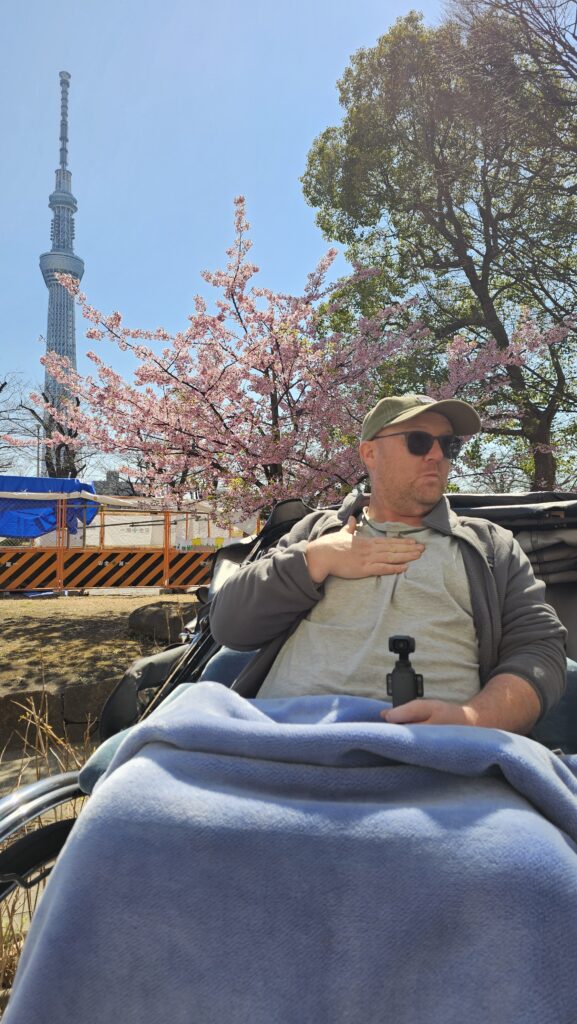
Driving around parts of Tokyo while locals stared, laughed, waved, or took photos created one of the most memorable experiences of the trip. The guides were relaxed and friendly, and it gave a completely different way of exploring the city.
The company we used operated near Kaminarimon Gate, which was another interesting place to visit. The gate area itself was incredibly crowded, probably one of the busiest places we visited during the trip, but still worth seeing because of the atmosphere, food stalls, lanterns, and traditional architecture.
Tokyo constantly feels like a clash between ancient culture and futuristic modern life.
Another attraction I was disappointed to miss properly was the giant tower building with the glass slide overlooking the city skyline. We specifically travelled there hoping to experience it, only to discover it was closed on the day we visited. Frustrating honestly, especially after travelling across the city for it.
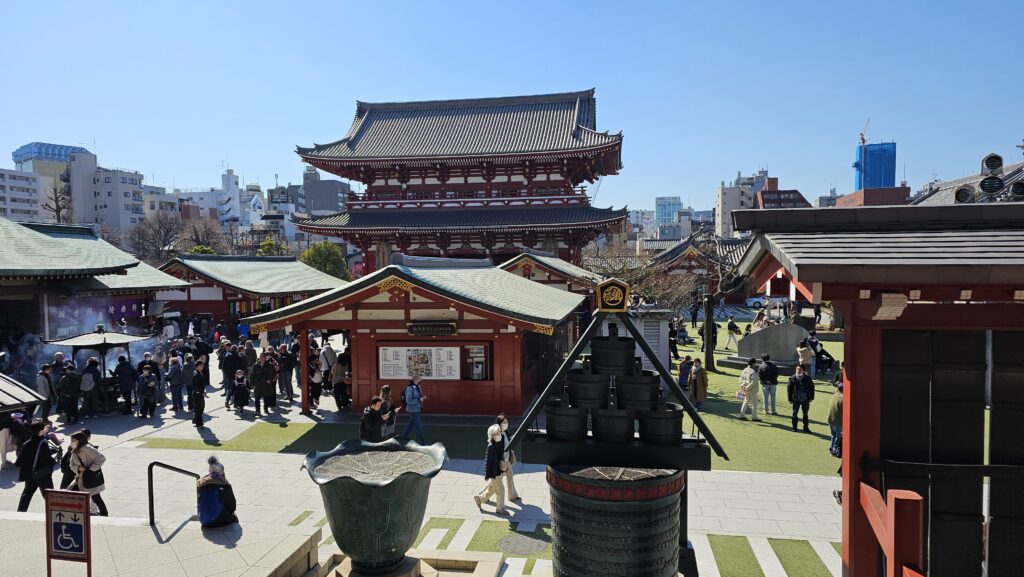
Still, Tokyo is full of surprises, so we simply adapted and explored nearby areas instead.
The Godzilla head in Shinjuku was another fun thing to see. Slightly touristy obviously, but still cool if you grew up knowing the movies and Japanese pop culture. Nearby, the famous giant 3D cat billboard was surprisingly entertaining too. It sounds silly describing it, but watching the realistic digital cat interact above the streets genuinely grabs your attention.
Photography opportunities in Tokyo are endless. Neon signs, crowded crossings, tiny alleyways, shrines, arcades, vending machines, rooftop views, and futuristic buildings constantly create interesting scenes.
Night photography especially becomes incredible around Shinjuku and Shibuya because the city lights completely transform the atmosphere.
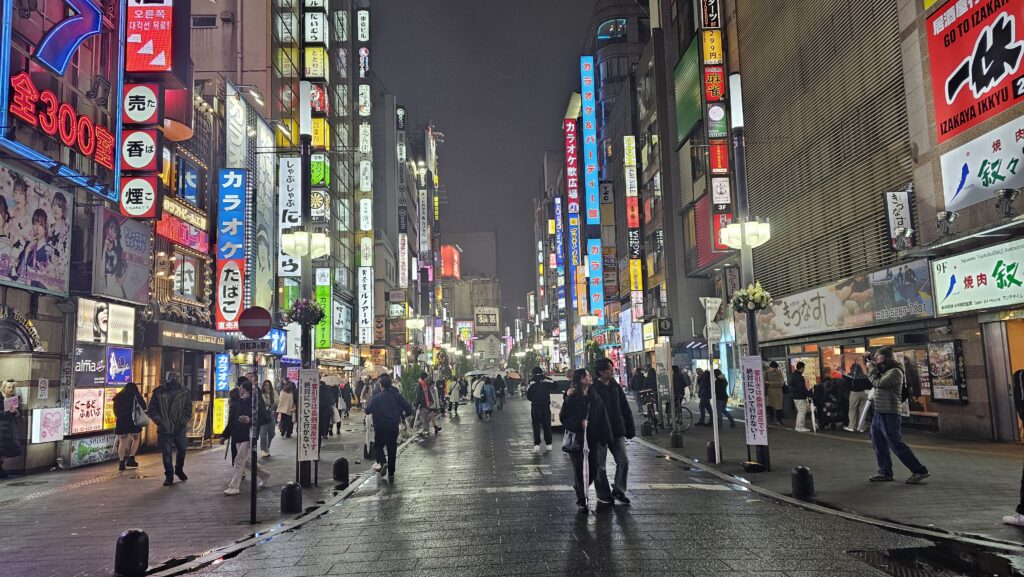
One thing I loved was simply wandering around without strict plans sometimes. Tokyo rewards curiosity. Turning down random side streets often led to hidden bars, tiny restaurants, arcades, quiet temples, or interesting little shops.
The city constantly surprises you when you stop trying to control every moment.
Exploring Tokyo Transport and Walking Experience
Tokyo transport deserves its reputation for being both brilliant and confusing at the same time.
Once you finally understand how the train system works, it becomes unbelievably efficient. Trains arrive constantly, stations connect huge sections of the city, and delays are incredibly rare compared to many countries.
Still, during the first few days, navigating giant stations like Shinjuku felt almost absurd. You can walk for what feels like miles underground trying to locate the correct platform or exit.
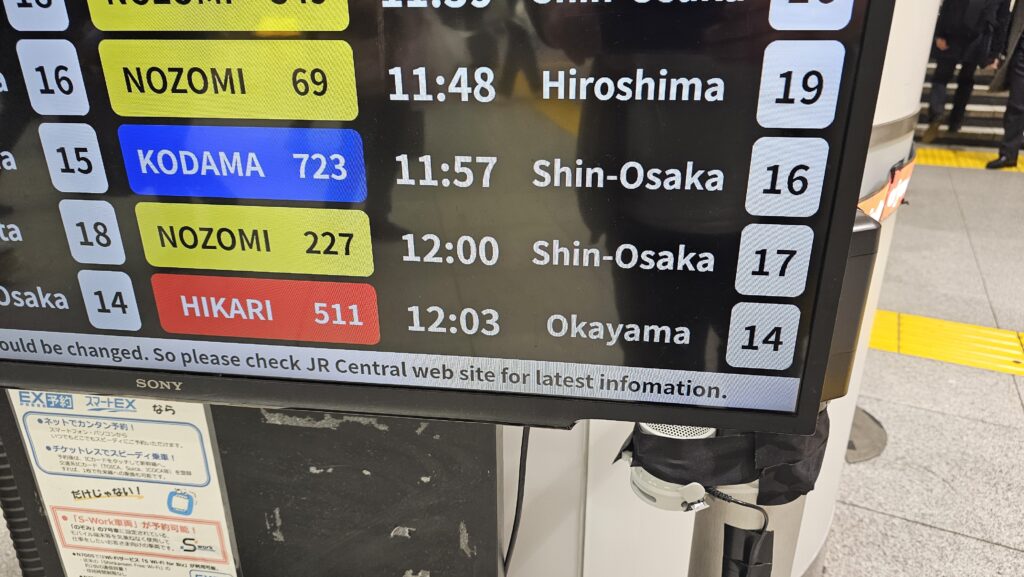
Google Maps became absolutely essential throughout the trip.
Walking around Tokyo itself is fascinating because every neighbourhood feels completely different. One minute you are surrounded by giant electronic stores and arcades, the next you are wandering through quiet residential streets with bicycles and tiny cafés.
Even ordinary walks between attractions became memorable because there was always something unusual to notice.
The cleanliness of Tokyo also stood out massively. Despite the crowds and size of the city, streets generally felt cleaner than many major capitals around the world.
Tokyo Food Experience and Local Culture
Food in Tokyo became one of the funniest and most frustrating parts of the trip for me personally.
As someone who hates fish, Japan was always going to be challenging at times. Seafood flavours appear everywhere, even in dishes you would not necessarily expect. Broths especially caught me off guard multiple times.
There were definitely moments where I ordered something completely based on photographs or guessing because language barriers made understanding menus difficult.
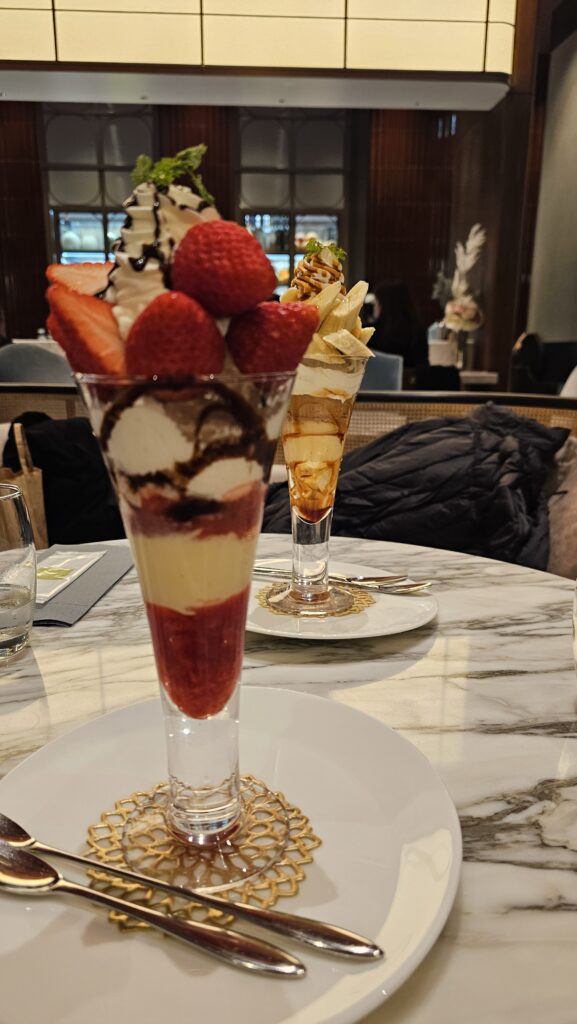
Some meals were incredible though. Proper Japanese curry became one of my favourite discoveries during the trip. Rich, comforting, filling, and perfect after long walking days.
The pod hotel actually provided simple breakfasts and evening meals too. Nothing fancy, usually rice and curry in the morning and rice with broth-based dishes later in the day, but honestly it worked perfectly after exhausting sightseeing.
I will admit something shameful though.
I absolutely ended up eating McDonald’s several times during the trip.
Partly because it was familiar, partly because after several accidental fish-flavoured meals, sometimes I simply wanted food I fully understood. I hang my head in shame slightly, but honestly travelling is about enjoying yourself too.
Looking back now, I would definitely research Tokyo food much more before returning because the meals I did successfully order properly were genuinely delicious.
Tokyo Travel Guide Hotels and Accommodation
Accommodation in Tokyo can become extremely expensive depending on the location and season, which is why trying a pod hotel ended up being one of the smartest decisions of the trip.
Anshin Oyado Tokyo Man Shinjuku was genuinely excellent for the experience we wanted. The sleeping pods were surprisingly comfortable and private once you got used to the concept. The hotel also included relaxation lounges, food areas, showers, steam rooms, and an onsen which became perfect after walking all day around Tokyo.
For luxury hotels, the Park Hyatt Tokyo remains iconic for travellers wanting skyline views and high-end comfort. Aman Tokyo offers an ultra-modern luxury experience with incredible design and peaceful atmosphere in the middle of the city. The Ritz-Carlton Tokyo is another outstanding option for travellers wanting premium service and excellent city views.
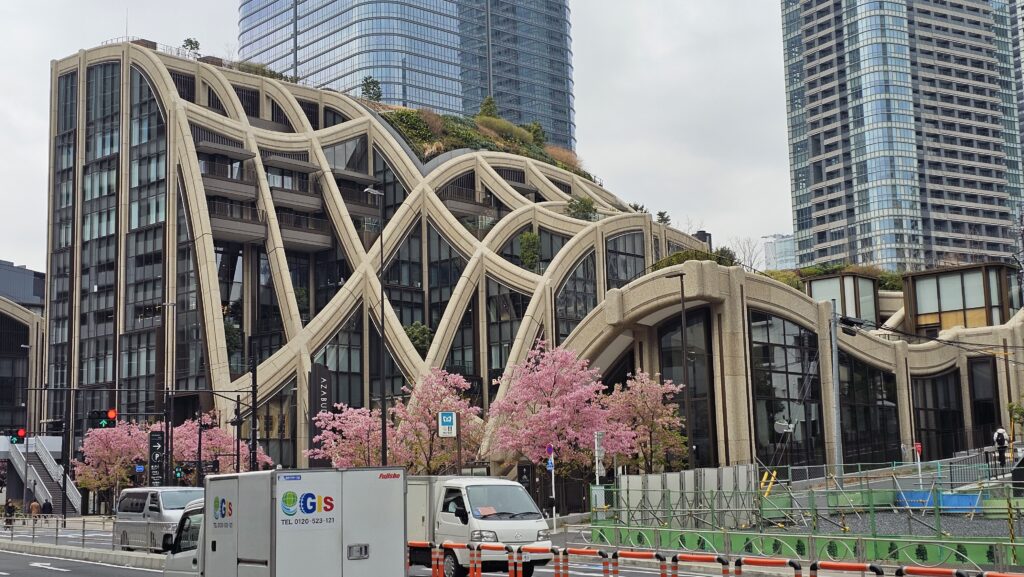
For mid-range accommodation, Hotel Gracery Shinjuku is popular partly because of the giant Godzilla attraction nearby and its excellent location for nightlife and transport. Shinjuku Granbell Hotel offers modern rooms and good access to restaurants and bars. Tokyu Stay Shibuya provides a more relaxed atmosphere while remaining close to major attractions.
Budget travellers have endless capsule and pod hotel choices across Tokyo. Nine Hours Shinjuku is sleek and modern for solo travellers, while First Cabin Akasaka offers a more spacious capsule-style experience. Anshin Oyado Tokyo Man Shinjuku honestly remains one of my personal favourites because it combined affordability with genuinely enjoyable facilities.
Location matters hugely in Tokyo because the city is so large. Staying near major train stations like Shinjuku or Shibuya makes daily exploring dramatically easier.
Highlights and Standout Moments in Tokyo
The absolute standout experience of the entire trip was TeamLab Planets TOKYO DMM. Few attractions genuinely surprise me anymore while travelling, but this place absolutely did.
The immersive digital environments felt unlike anything else I have experienced.
Another highlight was simply exploring Tokyo at night. Neon signs glowing across crowded streets, trains rushing overhead, arcades buzzing with sound, and tiny alleyways packed with restaurants created an atmosphere completely unique to Japan.
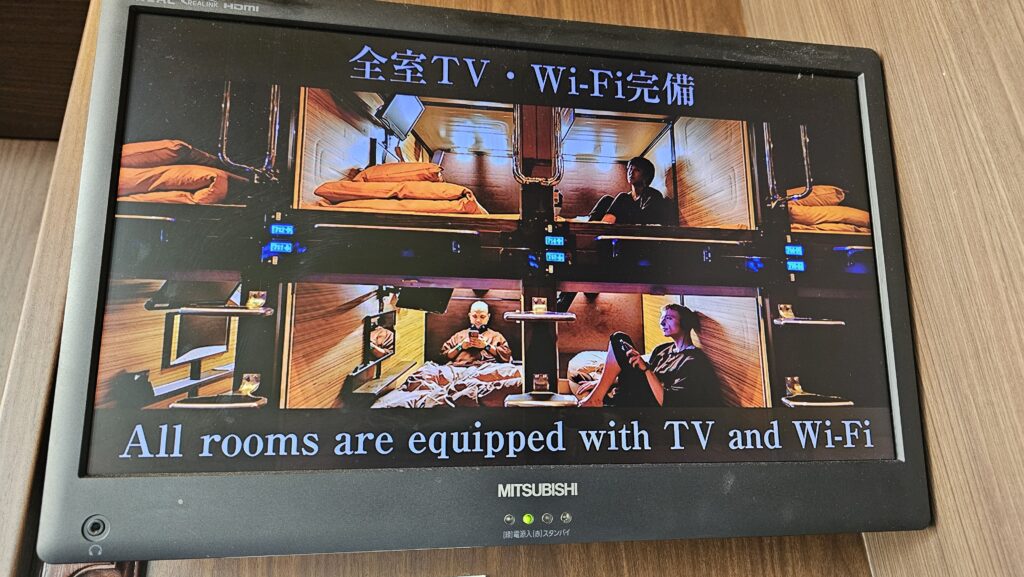
The pod hotel experience became another unexpectedly memorable part of the trip. Sleeping in a capsule initially sounded strange, but the entire setup actually worked brilliantly for city travel.
The guided kart experience through Tokyo streets also became one of the funniest and most enjoyable activities we did. Seeing the city from that perspective felt completely different compared to standard sightseeing.
Even random moments stood out. Wandering into convenience stores late at night, hearing station announcements constantly echoing through giant train terminals, spotting the giant Godzilla head unexpectedly above buildings, or simply watching crowds flow through Shibuya Crossing all became part of the Tokyo experience.
Honest Tokyo Travel Guide Review
Tokyo is honestly one of the most fascinating cities I have ever visited, but it definitely is not always easy.
The positives are enormous. The city feels incredibly safe, transport becomes excellent once understood, attractions are world-class, photography opportunities are endless, and the atmosphere constantly feels exciting.
TeamLab Planets alone was worth visiting Tokyo for.
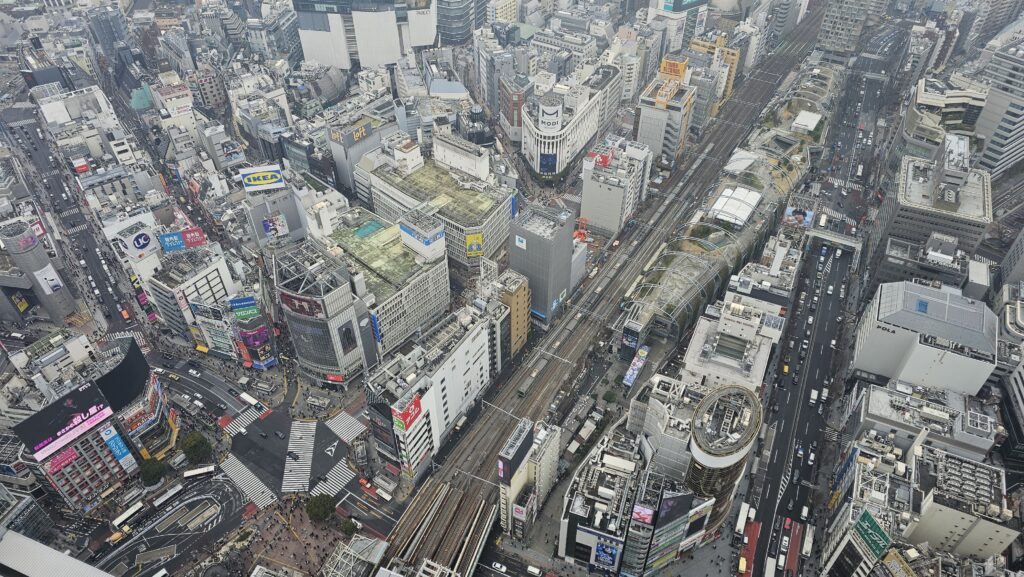
The cleanliness, organisation, and efficiency of Japanese culture also left a huge impression on me. Even massive crowds somehow function smoothly.
That said, Tokyo can absolutely become overwhelming too.
The train systems are confusing initially. Accommodation costs are high. Walking distances become exhausting. Language barriers occasionally create frustrating situations. And if you are a picky eater like me, food can become surprisingly difficult sometimes.
Shibuya Crossing also felt slightly overhyped compared to online expectations.
Would I return to Tokyo again?
Absolutely.
But next time I would prepare far better regarding food, spend more time exploring quieter neighbourhoods, and probably stay longer overall. Tokyo feels like a city where every visit would reveal completely different experiences.
The city suits travellers who enjoy exploring, walking, photography, gaming culture, nightlife, strange experiences, technology, and discovering hidden details.
It probably would not suit people wanting a quiet relaxing beach-style holiday.
Tokyo constantly stimulates your senses from morning until late at night.
Tokyo Travel Guide FAQ
What is the best time to visit Tokyo?
Spring is extremely popular because of cherry blossom season, while autumn offers comfortable weather and beautiful colours. Summer can become very hot and humid, while winter is colder but generally less crowded.
Is Tokyo expensive for tourists?
Tokyo can definitely become expensive, especially accommodation and transport over longer stays. However, food and convenience store meals can still be surprisingly affordable depending on your choices.
Is Tokyo difficult for first-time visitors?
Initially yes, especially regarding transport systems and language differences. But once you settle into the rhythm of the city, Tokyo becomes far easier to navigate than expected.
Is Tokyo safe for solo travellers?
Tokyo felt incredibly safe throughout my visit, including at night around busy areas. Japan generally has a strong reputation for safety and respectful public behaviour.
How much walking should you expect in Tokyo?
A huge amount. Even using trains constantly, you still walk massive distances daily through stations, shopping districts, and attractions.
Is TeamLab Planets worth visiting?
Absolutely. It was honestly one of the best attractions of the entire trip and something I would highly recommend in any Tokyo travel guide.
What food should visitors try in Tokyo?
Japanese curry, ramen, sushi if you enjoy seafood, convenience store snacks, and local street food are all worth trying. Researching dishes beforehand definitely helps if you have dietary preferences.
Are pod hotels worth trying in Tokyo?
Definitely for the experience alone. Surprisingly comfortable, affordable, and very convenient for travellers spending most of their time exploring the city.
Is Tokyo good for photography?
Tokyo is one of the best photography cities in the world. Neon lights, shrines, crossings, arcades, food streets, and skyline viewpoints constantly create interesting images.
How many days should you spend in Tokyo?
You could honestly spend weeks exploring Tokyo properly. For first-time visitors, at least five to seven days feels ideal to experience both major attractions and quieter local areas.
Final Thoughts on Tokyo
Tokyo is not just another city break destination.
It feels like stepping into another world entirely.
Yes, it can be confusing. Yes, it can become exhausting. Yes, sometimes you will stand in giant train stations questioning every life decision that brought you there.
But Tokyo constantly rewards curiosity and exploration.
From pod hotels and ancient shrines to neon streets and immersive digital art experiences, the city somehow balances futuristic energy with deep cultural tradition better than anywhere else I have visited.
Even the frustrating moments became part of the adventure afterward.
I would absolutely return to Tokyo again, this time with better food research, more confidence using the transport systems, and probably an even longer itinerary.
Because honestly, Tokyo feels impossible to fully experience in just one trip.

Leave a Reply